
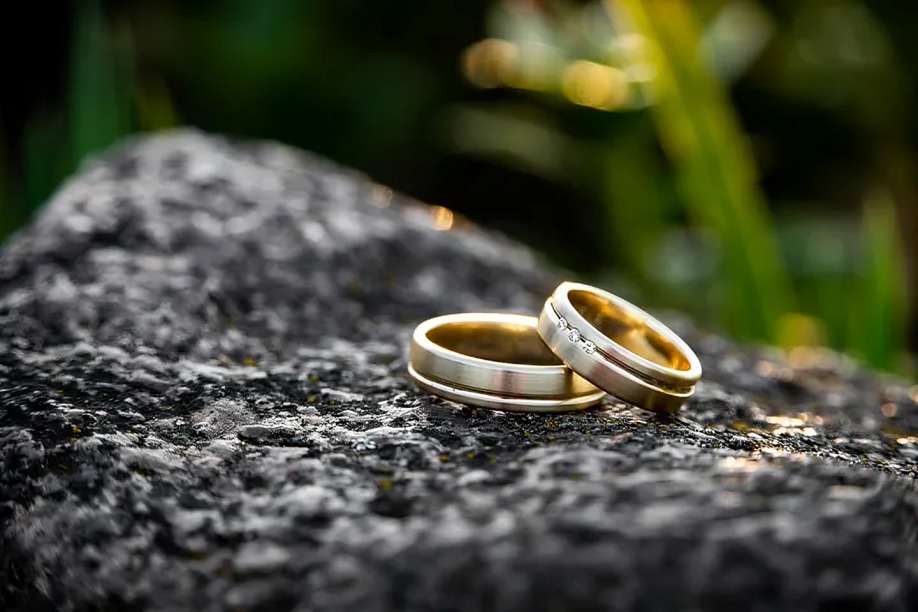
No one really wants marriage advice. Not the kind that sounds like a lecture, or worse—like a sermon from someone who thinks they’ve figured it all out. Because marriage isn’t a formula you can memorize or a project you can complete. It’s a living, breathing thing that changes shape every time you think you understand it.
Still, if there’s such a thing as useful advice, it’s the kind you don’t want to hear—the uncomfortable truths that sting a little before they save you. So here it is: the marriage advice you never asked for but probably need.
You Won’t Always Like Each Other
Yes, you’ll love your partner. But there will be days you can’t stand them—when every word they say irritates you, when their silence feels like rejection, when their habits make you question your sanity.
That’s normal. Love doesn’t erase friction—it gives you a reason to face it. The trick isn’t to find someone who never annoys you; it’s to find someone worth forgiving again and again.
The advice? Stop expecting constant harmony. Marriage is not a lifelong honeymoon. It’s a long conversation where you sometimes talk over each other—but you stay in the room.
Romance Isn’t What Keeps You Together
Romance is easy. Real intimacy is work. The small gestures, the inside jokes, the late-night confessions—those keep the connection alive. But it’s patience, respect, and shared responsibility that keep the structure standing.
Romance may fade, but daily kindness is forever renewable. Emptying the dishwasher without being asked, remembering the details of their day, offering comfort when you’re tired—these aren’t dramatic acts of passion, but they’re the glue that holds two people together when attraction alone can’t.
So no, you don’t have to be “madly in love” every day. You just have to keep choosing each other, especially when it’s inconvenient.
Sometimes You’ll Feel Lonely—Even Together
This is the truth no one tells you: even in a healthy marriage, loneliness visits. You’ll have nights where you lie next to each other and feel miles apart. It doesn’t mean the marriage is broken—it means you’re human. Two people, no matter how close, remain separate souls.
The goal isn’t to eliminate loneliness, but to understand it. When it shows up, don’t panic. Sit with it. It’s a reminder that you’re still individuals with your own inner worlds—and that’s healthy. The best marriages honor both togetherness and solitude.
You’ll Have to Grow—Even When You Don’t Want To
Marriage has a way of holding up a mirror you can’t look away from. It reflects your ego, your flaws, your fears, your selfishness. The person you love most will also be the one who exposes the parts of you you’ve avoided.
That’s not cruelty—it’s the invitation to evolve. A good marriage doesn’t let you stay small. It challenges you to become kinder, more patient, more self-aware. Growth hurts—but stagnation kills love faster than any argument.
You Can Be Right, or You Can Be at Peace
Fights in marriage rarely end because one person wins—they end because one person decides peace matters more than ego. Being right feels good in the moment; being connected feels good for a lifetime.
Learn the art of letting go. Apologize first. Choose empathy over victory. Because at the end of the day, no one’s keeping score—you’re either both winning, or neither of you are.
Marriage Isn’t 50/50—It’s Fluid
The “50/50” myth sounds fair but isn’t real. Some days, one of you will give 80% while the other barely manages 20%. Illness, stress, family, work—all shift the balance constantly.
The healthiest marriages understand this. They don’t measure fairness by the day, but by the commitment to keep showing up. Marriage isn’t about even halves—it’s about shared wholeness.
Conclusion
The marriage advice you never wanted is this: it’s not always easy, it’s not always equal, and it’s not always exciting. But if you’re both willing to tell the truth, to stay curious about each other, and to keep choosing love even when it’s hard—then marriage becomes something deeper than romance.It becomes friendship. Partnership. A kind of steady warmth that doesn’t demand attention but never stops giving it.
The best marriages aren’t the ones that look perfect. They’re the ones that quietly endure, adapt, and keep rediscovering each other—again and again.Because in the end, marriage isn’t about finding the right person.It’s about learning to be the right person—for someone who’s trying to do the same.
Would you like me to make a more humorous version next (like a witty “real talk” list-style article), or keep it in this deep reflective tone for future ones?
