
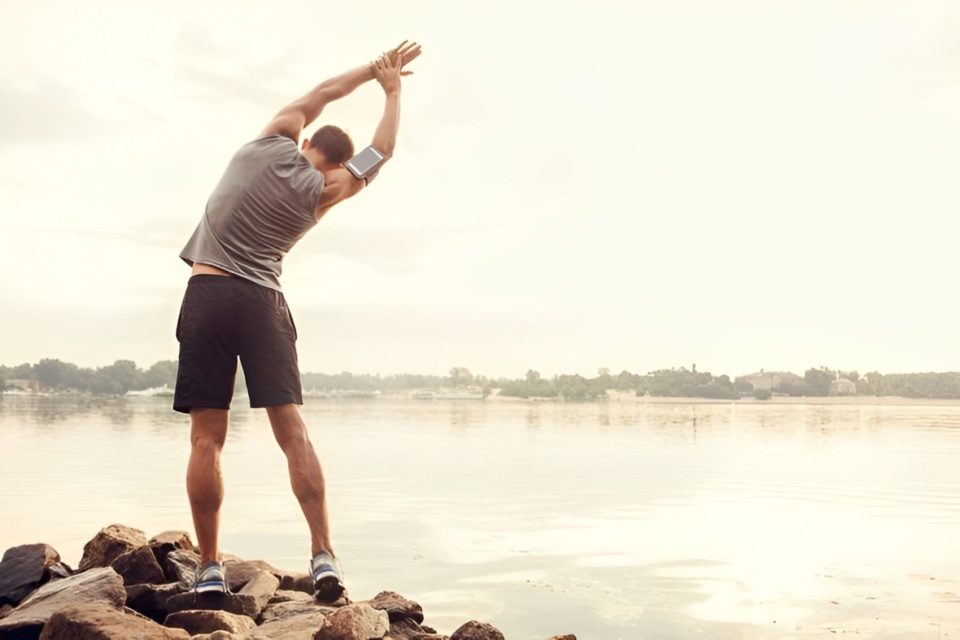
Flexibility plays a vital role in both physical well-being and longevity, yet it is often overlooked. Many think flexibility is only for dancers, athletes, or yoga enthusiasts, but maintaining it is essential for everyone. Flexibility isn’t just about bending easily—it helps keep your muscles, joints, and tissues healthy, which supports mobility, balance, and long-term activity. As we age, staying flexible becomes even more important to prevent injury, reduce pain, and enhance quality of life.
Below, we explore the key reasons why flexibility is essential for a longer, healthier life—and how you can start building it into your routine .
Why Flexibility Matters for Longevity
Prevents Injuries and Falls
As we grow older, our muscles and joints naturally become tighter and less mobile, making everyday activities more challenging and increasing the risk of injuries. Whether it’s twisting awkwardly or tripping on a step, stiff joints can result in muscle strains and falls. Regular flexibility exercises allow the body to maintain a full range of motion, helping you move with ease and reducing the likelihood of accidents.
Moreover, flexibility helps with body awareness—a crucial aspect of balance and coordination. This can prevent dangerous falls, particularly in older adults, ensuring they maintain their independence for longer.
Reduces Muscle and Joint Pain
Tight muscles can lead to imbalances, poor posture, and chronic pain—particularly in areas like the lower back, neck, hips, and knees. Daily tasks such as bending, lifting, or sitting for long periods can become painful if flexibility is neglected. Stretching regularly relieves muscle tension, corrects imbalances, and encourages proper posture. Over time, this can significantly reduce discomfort, preventing the development of chronic pain conditions.
With less muscle tension, your body feels more comfortable performing activities, whether it’s household chores or more intense exercises.
Improves Circulation and Enhances Recovery
Flexibility exercises, such as stretching, boost blood flow to muscles and tissues, which helps reduce muscle soreness and inflammation. Improved circulation ensures that more oxygen and nutrients are delivered to tissues, promoting better recovery from physical activity. This recovery mechanism is especially important for older adults or those who engage in regular exercise, as it keeps the muscles healthy and functional.
Enhanced circulation also supports cardiovascular health, which plays a vital role in promoting longevity. Even light stretching before and after workouts can make a noticeable difference in how your muscles feel and recover.
Supports Mental and Emotional Well-Being
Flexibility practices, like yoga and tai chi, benefit not just your body but your mind. These exercises help lower stress levels by encouraging mindfulness and relaxation. The connection between mental health and longevity is well-documented—reducing anxiety and managing stress can prevent heart disease, high blood pressure, and other stress-related conditions.
Incorporating flexibility exercises also promotes emotional resilience, helping you cope better with life’s challenges. A relaxed body supports a calm mind, which is essential for long-term well-being.
How to Improve Flexibility for Long-Term Health
Incorporate Stretching Into Your Daily Routine
Make stretching a daily habit by dedicating 10-15 minutes to gently stretch major muscle groups. Focus on areas like the hamstrings, calves, shoulders, and hips, which are prone to tightness. Stretching in the morning, before or after workouts, and at night can help muscles stay relaxed and flexible throughout the day.
Try Low-Impact Activities
Incorporating low-impact activities such as yoga, pilates, or tai chi improves flexibility while also offering relaxation and stress relief. These activities promote full-body movement, enhance joint mobility, and help build strength—benefitting both your mind and body.
The best part? These practices are adaptable for all fitness levels, so you can progress at your own pace.
Stay Consistent with Movement
Prolonged inactivity can lead to stiffness and muscle tightness. Make it a habit to get up and move throughout the day, especially if you spend long periods sitting. Take breaks to walk around, stretch lightly, or do some joint rotations. Even small movements help keep your muscles engaged and your joints mobile, reducing the risk of tightness.
Focus on Dynamic and Static Stretching
Incorporate both dynamic stretching and static stretching into your routine for the best results.
Dynamic stretching involves moving stretches that prepare your body for physical activity (e.g., arm circles or leg swings).
Static stretching involves holding a stretch for 20-30 seconds to relax the muscles (e.g., touching your toes).
Combining these two types ensures your muscles remain flexible and ready for both activity and rest.
Conclusion
Flexibility is not just a bonus—it’s a key pillar of long-term health and well-being. Staying flexible reduces the risk of injuries, relieves chronic pain, improves circulation, and fosters mental relaxation. These benefits all contribute to a longer and healthier life, ensuring you remain mobile and independent as you age.
Incorporate stretching and mobility exercises into your routine, and enjoy the freedom and comfort that come with a more flexible body. Small steps today can have lasting benefits for your future, helping you stay active, pain-free, and mentally resilient for years to come.
