
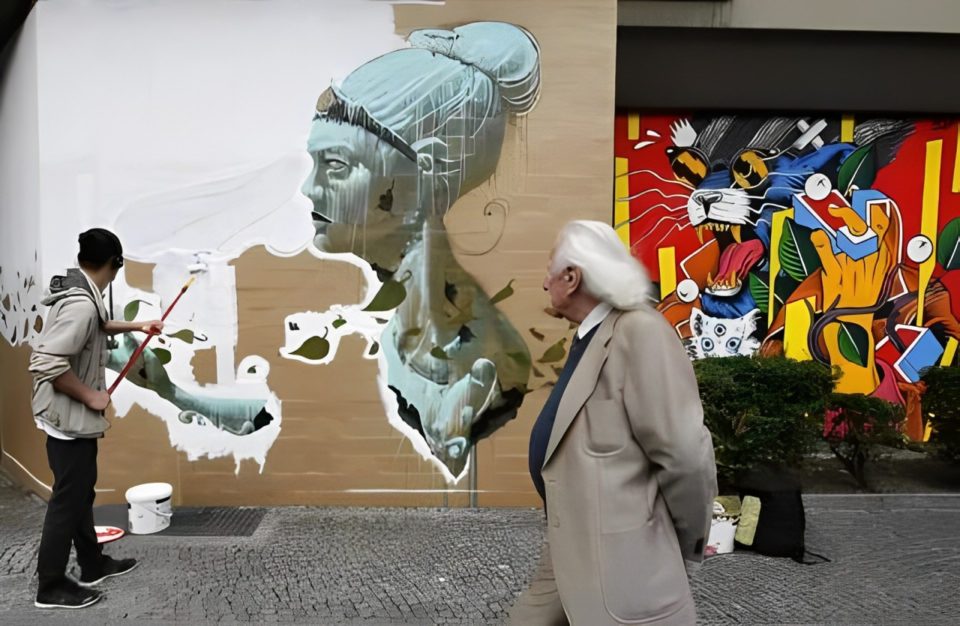
Street art, once considered rebellious and marginal, has evolved into one of the most prominent and influential art movements of the 21st century. From the iconic works of Banksy to murals on city walls in every corner of the world, street art has not only transformed urban landscapes but has become an integral part of modern culture. It’s a form of art that challenges conventional ideas about aesthetics, creativity, and even ownership. This global phenomenon continues to shape the way we perceive public spaces, politics, and art itself.
The Rise of Street Art
Historically, street art emerged as a form of self-expression and activism in the urban environments of cities like New York and Paris. In the 1970s, graffiti culture exploded on subway trains and street corners, with artists using spray paint to convey messages, often tied to political or social issues. What began as a rebellious act by marginalized communities quickly grew into a global movement.
However, it wasn’t until the late 1990s and early 2000s that street art began to be recognized as legitimate art by the broader public. Artists like Banksy, Shepard Fairey, and Jean-Michel Basquiat bridged the gap between street culture and the contemporary art world, creating a blend of activism, commentary, and creativity that spoke to a new generation of artists and fans.
Street Art and Social Activism
One of the most powerful aspects of street art is its connection to social and political movements. Unlike traditional art forms confined to galleries, street art’s placement in public spaces ensures it reaches a broad and diverse audience. Artists often use their work to comment on pressing issues like inequality, war, poverty, climate change, and human rights.
Banksy, perhaps the most well-known street artist globally, is famous for his politically charged works that question authority, consumerism, and societal norms. His art often features powerful imagery that critiques governmental policies, corporate greed, and social injustices. Through his murals, stencils, and installations, Banksy uses public spaces as a platform for activism, ensuring that his message is accessible to anyone who passes by.
Similarly, in cities like São Paulo, Rio de Janeiro, and Cape Town, street art has become a tool for marginalized communities to express their struggles and aspirations. From the favelas of Brazil to the townships of South Africa, street art offers a voice to those who have been historically silenced. The art is not just decorative; it serves as a form of resistance and resilience against social, economic, and political oppression.
The Impact on Urban Spaces
Street art has dramatically reshaped urban environments, transforming dull, abandoned, or neglected spaces into vibrant, colorful canvases. Cities like Berlin, Melbourne, and Miami have embraced street art as a cultural asset, turning formerly gray walls and alleyways into dynamic galleries that attract tourists and locals alike.
This transformation has given rise to a new form of urban tourism, where visitors flock to cities not only to see famous landmarks but to explore the ever-changing street art scene. The art has become a defining characteristic of many urban spaces, with some cities even holding annual street art festivals. In fact, street art has become so ingrained in urban life that some cities have established regulations for public murals, balancing artistic expression with the preservation of their cultural heritage.
At the same time, street art has sparked debates about ownership and the commercialization of public space. While many artists see their work as a form of creative freedom, others argue that once street art is bought, sold, or used for commercial purposes, it loses its rebellious spirit. The line between art and advertising continues to blur, as brands increasingly use street art-inspired designs in their marketing campaigns, sometimes co-opting the movement for profit.
Street Art as a Medium of Expression
Beyond its social and political relevance, street art has become a key medium for artistic expression. Artists can work outside the constraints of galleries, embracing freedom, experimentation, and innovation. The use of unconventional materials, the blending of art with architecture, and the interaction between art and public space have allowed street artists to push boundaries and break artistic norms.
In addition to traditional spray paint, street artists now incorporate stencils, wheat paste, posters, stickers, and even digital art to create multi-dimensional, interactive works. These techniques allow artists to experiment with scale, texture, and message in ways that are impossible in traditional canvas-based art.
For many, street art provides a platform for self-expression in a society where mainstream art institutions can sometimes feel exclusionary. It gives voice to a new generation of artists, particularly those who are often marginalized in the traditional art world. The accessibility and democratic nature of street art allow it to flourish in a way that challenges old ideas about what art should be.
The Commercialization of Street Art
While street art started as an anti-establishment movement, the rise of social media and the art market’s growing interest in street art has led to its commercialization. As street art gained mainstream recognition, it also caught the attention of wealthy collectors, galleries, and auction houses. Works by street artists such as Banksy and Jean-Michel Basquiat have sold for millions of dollars, leading some to question whether street art has lost its rebellious edge.
The commercialization of street art has sparked debates within the community. Some argue that it is a natural evolution of the movement, with artists gaining the recognition they deserve. Others believe that once street art is commodified, it loses its authenticity and connection to the people it was originally meant to represent. Nonetheless, street art continues to thrive, both as a form of artistic expression and as a marketable commodity.
Conclusion
The global influence of street art on modern culture is undeniable. From its roots in activism and rebellion to its current status as a mainstream art form, street art has left an indelible mark on the world. It has redefined the way we view public spaces, brought attention to pressing social issues, and provided a platform for marginalized voices. Whether it’s used for political commentary, self-expression, or pure creativity, street art continues to shape the cultural landscape of cities across the globe.
While the commercialization of street art may spark controversy, its influence on contemporary culture remains powerful. Street art has taught us to look beyond traditional art forms and to find beauty, meaning, and creativity in the most unexpected places. As long as there are walls to paint and messages to share, street art will continue to thrive, inspiring generations to come.
