
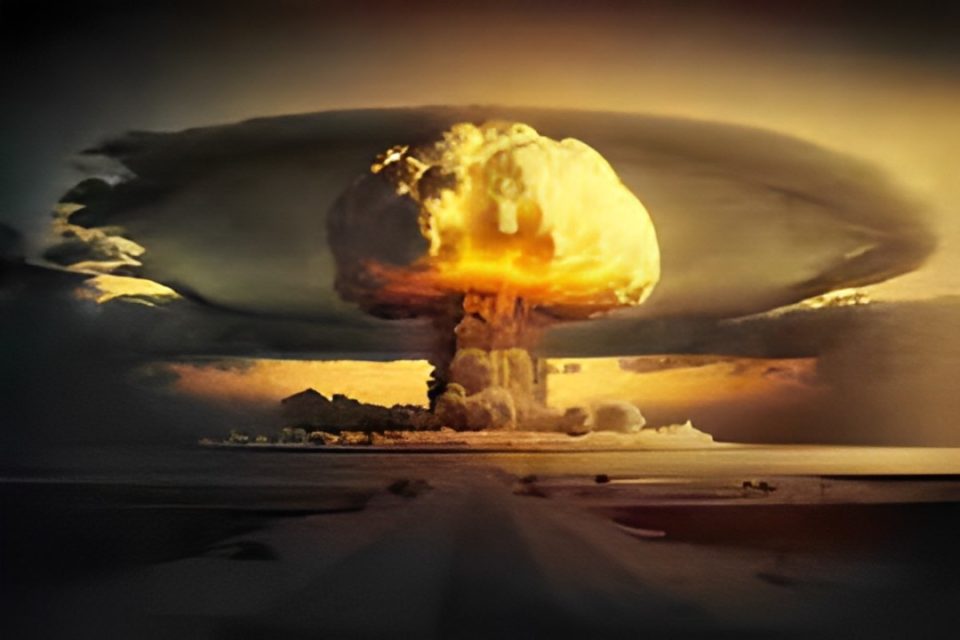
Nuclear power has long been heralded as a beacon of progress, a technological marvel promising endless energy and a brighter future. Yet, within the dream of nuclear power lies a complex dimension where ambition, risk, and reality intertwine. As we explore this intricate landscape, we uncover how nuclear power, despite its potential, often finds itself lost in a labyrinth of challenges.The Promise of Nuclear PowerIn the mid-20th century, nuclear power emerged as a revolutionary force. The promise was simple: an abundant, low-carbon energy source capable of meeting the world’s growing demands.
Nuclear reactors harnessed the power of the atom, providing electricity without the greenhouse gas emissions associated with fossil fuels. Nations around the globe invested heavily in nuclear technology, envisioning a future where clean energy was limitless and ubiquitous.
The Complex Reality
However, the reality of nuclear power has proven to be far more complex. The construction of nuclear plants is an immense and costly undertaking, often plagued by delays and budget overruns. The regulatory environment is stringent, and rightly so, given the potential risks involved. Safety concerns have led to rigorous standards and extensive oversight, further complicating the development process.
The Specter of Accidents
The shadow of nuclear accidents looms large over the industry. The catastrophic events at Chernobyl in 1986 and Fukushima in 2011 highlighted the devastating potential of nuclear power gone awry. These incidents not only caused immediate harm but also left long-lasting scars on the environment and public perception. The fear of potential accidents has led to increased scrutiny and, in some cases, the abandonment of nuclear projects altogether.
Waste Management Woes
One of the most persistent challenges facing nuclear power is the issue of waste management. Nuclear reactors produce radioactive waste that remains hazardous for thousands of years. Finding safe, long-term storage solutions has proven to be an elusive goal. The difficulty in managing nuclear waste undermines the sustainability argument for nuclear power and raises ethical concerns about leaving such a burden for future generations.
The Economic Dilemma
Economically, nuclear power has struggled to compete with other energy sources. The rise of renewable energy technologies, such as solar and wind, has introduced formidable competition. These alternatives are becoming increasingly cost-effective and easier to deploy. As a result, nuclear power’s economic viability is often questioned, especially in liberalized energy markets where cost considerations are paramount.
The Path Forward
Despite these challenges, nuclear power is not without hope. Advances in technology, such as small modular reactors (SMRs), offer potential solutions. SMRs promise to be safer, more efficient, and quicker to build than traditional large reactors. Moreover, research into fusion energy, though still in its infancy, holds the tantalizing prospect of virtually limitless and clean energy.
Conclusion
The dimension of a dream that nuclear power occupies is one fraught with both potential and peril. As we navigate this complex landscape, we must balance the promise of nuclear energy with the realities of its challenges. Only through innovation, stringent safety measures, and responsible waste management can nuclear power hope to realize its dream without losing itself in the process.
Nuclear power stands at a crossroads, and its future depends on our ability to learn from past mistakes, embrace new technologies, and maintain a clear-eyed view of its limitations and possibilities. In the end, the dream of nuclear power remains compelling, but it is a dream that must be pursued with caution, wisdom, and unwavering commitment to safety and sustainability.
