
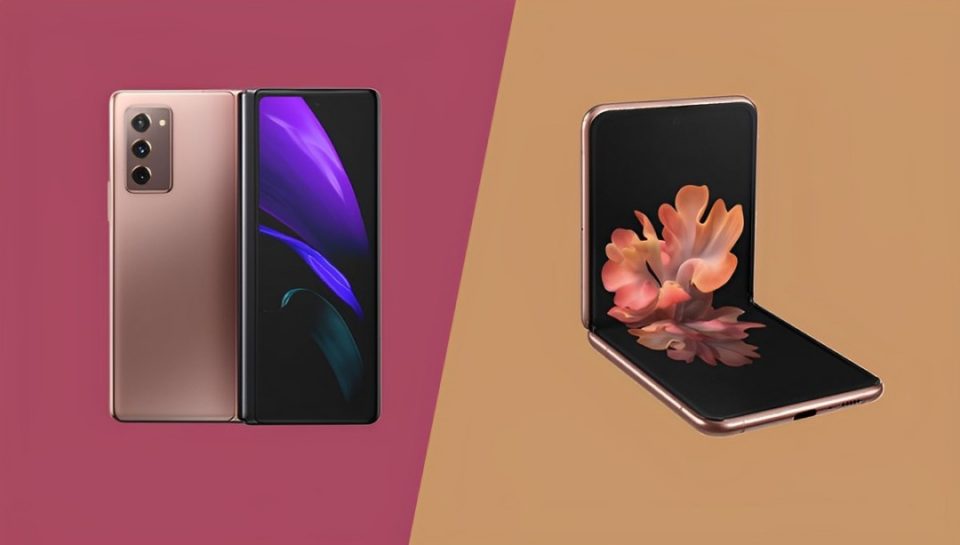
Flip foldable phones have taken the tech world by storm with their nostalgic design, sleek looks, and the innovation of a flexible screen. However, after spending time with a flip foldable device, I realized there are some downsides that often go unmentioned. Here are the five major drawbacks of flip foldables that I didn’t expect but wish I had known beforehand.
The Fragility Factor
Despite all the advancements in foldable screen technology, flip foldables are still more fragile than traditional phones. The flexible display, while impressive, is highly susceptible to scratches and damage. The screen is typically made of ultra-thin glass or plastic composite, which feels soft to the touch and can easily show signs of wear. Dust and debris, if they find their way into the fold, can create noticeable scratches or even affect the fold’s function over time. Unlike regular smartphones, you can’t simply throw a tempered glass protector on a foldable screen, leaving it more vulnerable to everyday mishaps.
The Crease: Always Visible, Never Forgettable
One of the most jarring realities of a flip foldable is the visible crease that runs down the middle of the screen. I expected the crease to be subtle, something I’d barely notice after a while. Instead, the crease remains a constant visual interruption, particularly when viewing content with high contrast or bright colors. Not only is it visible, but you can also feel it when you swipe across the screen. For people who enjoy a seamless viewing experience, the crease can be a disappointing reminder that, despite technological progress, foldables are not yet perfect.
Battery Life Takes a Hit
Battery life on flip foldables is another surprising drawback. Foldables, due to their design constraints, tend to have smaller batteries than traditional phones. Running the large, flexible display and extra hardware required for the foldable mechanism can drain power faster than a standard phone. While power-saving features help, you may still find yourself charging more frequently. If you’re accustomed to a full day of heavy usage on a single charge, you’ll likely be disappointed with the battery life on a flip foldable.
Limited App Optimization
Though foldable phones have been around for a few years, app optimization for these devices is still inconsistent. Some apps work seamlessly, taking advantage of the foldable’s unique screen layout, but many others don’t. Apps often fail to adapt to the folded and unfolded modes, leading to layout issues, text cropping, and awkward scaling. This can make using certain apps feel clunky, as they don’t fully utilize the screen or might display awkwardly in either the folded or unfolded state. For a phone designed to offer new experiences, the software limitations can make it feel incomplete.
Bulk and Weight of the Device
A foldable flip phone sounds like it would be more compact, but the reality is that it often ends up being bulkier and heavier than expected. When folded, the phone is thick enough to be noticeable in a pocket or bag. Although the folded form factor is satisfying to hold, it’s not necessarily lighter than a traditional smartphone. This bulk and weight can be a hassle if you’re used to the thin, light designs of non-foldable devices. For a device meant to offer portability, this added weight can feel like a step backward.
Conclusion
Flip foldables are undeniably cool, offering a unique design and a futuristic feel. However, the drawbacks—from fragility and visible creases to battery life, software limitations, and bulk—make them less ideal for daily use than you might expect. While they’re perfect for those who love to explore new tech, anyone looking for practicality might be better off sticking with a traditional smartphone. As technology advances, some of these issues may be resolved, but for now, it’s important to weigh these drawbacks before making the switch to a foldable device.
