
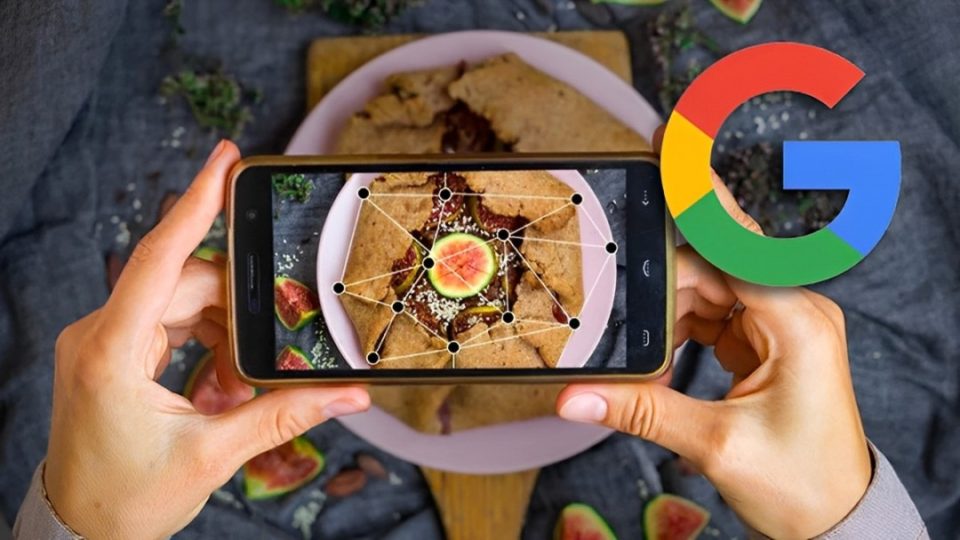
In an era where technology seamlessly integrates with our daily lives, Google Lens stands out as a transformative tool that redefines how we interact with the world around us. Launched in 2017, Google Lens utilizes advanced image recognition and machine learning to provide real-time information about our surroundings, turning our smartphones into powerful discovery tools. Here’s an exploration of how Google Lens is reshaping our lives and the ways we perceive and interact with the world.
Augmented Reality in Everyday Life
Google Lens leverages augmented reality (AR) to superimpose digital information onto our physical environment. By simply pointing a smartphone camera at an object, text, or location, users can access a wealth of information instantly. This blend of digital and physical worlds enhances our ability to learn and engage with our surroundings in real-time.
Instant Translation
One of the most practical applications of Google Lens is real-time translation. Pointing the camera at a sign, menu, or document in a foreign language instantly translates the text into the user’s preferred language. This feature is invaluable for travelers, breaking down language barriers and making navigation in unfamiliar places more manageable.
Identifying Plants and Animals
Nature enthusiasts can use Google Lens to identify plants and animals by simply photographing them. This capability transforms a casual walk in the park into an educational experience, allowing users to learn about the flora and fauna they encounter.
Shopping and Product Information
Google Lens revolutionizes shopping by providing instant product information. Scanning a product in-store or an item in a friend’s home reveals details such as price comparisons, reviews, and where to purchase it. This feature empowers consumers to make informed decisions on the spot.
Enhancing Education and Learning
Google Lens is a powerful educational tool, offering students and lifelong learners new ways to gather information and explore topics of interest.
Homework Help
Students can use Google Lens to scan math problems, science equations, or historical texts, receiving step-by-step solutions and explanations. This feature supports independent learning and helps students understand complex concepts more easily.
Cultural and Historical Insights
When visiting museums, historical sites, or cultural landmarks, users can point their cameras at exhibits or artifacts to receive detailed descriptions, historical context, and related information. This enriches the learning experience, making cultural exploration more interactive and engaging.
Streamlining Daily Tasks
Google Lens streamlines a variety of daily tasks, enhancing productivity and efficiency.
Organizing and Digitizing
Users can scan handwritten notes, business cards, or printed documents to digitize and organize information. This feature helps maintain a clutter-free workspace and ensures important information is easily accessible.
Navigating and Exploring
Google Lens can identify landmarks, restaurants, and businesses, providing user reviews, operating hours, and directions. This makes exploring new areas simpler and more enjoyable, whether you’re a local or a tourist.
Privacy and Ethical Considerations
While Google Lens offers numerous benefits, it also raises important privacy and ethical considerations. The extensive data collection and real-time analysis capabilities necessitate robust privacy protections to ensure user data is handled responsibly. Users should be aware of the permissions they grant and understand how their data is used and stored.
Conclusion
Google Lens represents a significant leap forward in how we interact with the world, offering an augmented reality experience that enhances learning, exploration, and daily life. By providing instant access to information, Google Lens empowers users to engage more deeply with their surroundings. However, as with any powerful technology, it is essential to navigate its use with mindfulness regarding privacy and ethical implications. As we continue to integrate tools like Google Lens into our lives, we move closer to a future where the digital and physical worlds are seamlessly intertwined, creating endless possibilities for discovery and innovation.
