
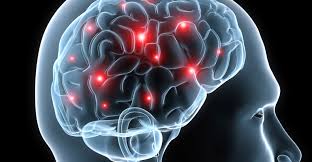
In a world where trauma is one of the leading causes of death and disability, a revolutionary new system is being developed to do something extraordinary: save our brains and preserve lives after critical injury. Designed by a coalition of neuroscientists, emergency physicians, and AI engineers, this system could redefine how we respond to trauma—especially traumatic brain injuries (TBI), which are notoriously difficult to treat effectively.
This is not just about better care. It’s about fighting time itself.
The Silent Crisis of Brain Trauma
Every year, millions of people suffer from TBIs due to car crashes, sports accidents, falls, and violence. Many of them die—not from the initial impact, but from the minutes and hours that follow, when swelling, oxygen loss, and delayed medical intervention silently wreak havoc.
The brain is fragile. Once damaged, it doesn’t regenerate like skin or bone. Which is why every second after trauma counts. The question has always been: how can we react faster, more precisely?
Enter: the NeuroRescue System.
What Is the NeuroRescue System?
The NeuroRescue System (a working name used by developers) is an advanced AI-powered diagnostic and intervention platform that integrates real-time data from wearable devices, emergency responders, and medical imaging tools.
Its mission?
To detect, analyze, and respond to brain injuries within minutes, even before the patient reaches a hospital.
Core features include:
- Smart helmets and patches that detect impact and vital signs instantly
- AI algorithms that assess potential brain swelling or hemorrhage in real-time
- Drone-assisted emergency delivery of neuroprotective drugs in rural or hard-to-reach areas
- AR-guided procedures to help first responders stabilize the brain until hospital care arrives
In short, it’s trauma triage—supercharged.
How It Works in Real Time
Imagine this: A cyclist crashes on a remote trail. Within seconds, their smart helmet detects a significant impact and irregular breathing. The data is instantly transmitted to a nearby emergency center. The NeuroRescue system:
- Flags potential brain trauma
- Alerts EMS with precise location and predicted injury severity
- Pre-loads the patient’s data into the hospital system
- Suggests a neuroprotective drug protocol based on real-time biomarkers
By the time the ambulance arrives, doctors already know what they’re dealing with—and are ready.
Why It Matters
1. Faster Diagnosis, Faster Recovery
With early brain injuries, the sooner you intervene, the better the outcome. The system cuts diagnostic delays, improves triage, and gets patients the care they need—when they still have a chance to heal.
2. Equal Access to Care
This system could level the playing field for patients in rural or underserved areas, where trauma care is often delayed. Time is the brain—and this system buys time.
3. Smarter Resource Allocation
Hospitals are overwhelmed. By predicting injury severity before arrival, NeuroRescue helps prioritize care and reduce ER overload.
What Experts Are Saying
Dr. Lena Caldwell, a neurologist and trauma researcher, said:
“We’ve long known that brain injuries are a race against the clock. This system gives us a head start.”
Paramedics testing the system in pilot programs have also reported greater confidence in treating suspected TBIs thanks to live IN guidance and predictive modeling.
The Road Ahead
The NeuroRescue System is currently undergoing trials in select cities and trauma centers, with plans for global deployment within five years. Developers are also working on military and sports-specific versions to protect athletes and soldiers in high-risk environments.
While no technology can prevent every injury, this system shifts the odds in our favor—a vital edge in a world where trauma can strike in an instant.
Conclusion
We often think of brain trauma as an unavoidable tragedy. But with tools like the NeuroRescue System, we’re learning to fight back—with speed, science, and smart technology. In the battle between time and the brain, this new system might just tip the balance.
And for the millions of lives hanging in that balance, it couldn’t come soon enough.
