
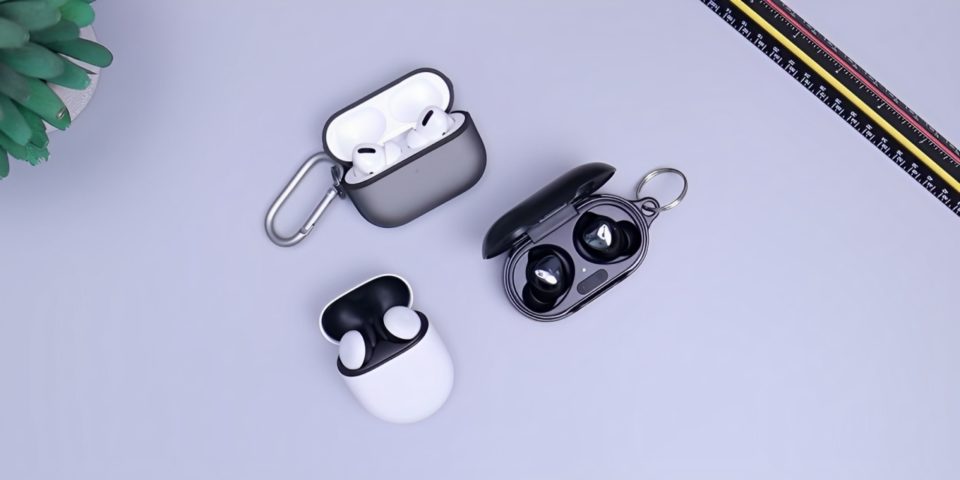
Earbuds have become an essential gadget for many, revolutionizing how we experience music, podcasts, and calls on the go. Their compact design, wireless convenience, and impressive sound quality make them a must-have in today’s fast-paced world. Whether you’re commuting, working out, or simply relaxing at home, earbuds provide a seamless and enjoyable audio experience without the hassle of wires.
However, as much as I love earbuds, they come with a set of undeniable problems that users can’t ignore. While manufacturers continue to improve features like noise cancellation, battery life, and sound quality, certain limitations still persist. No matter how advanced earbuds become, these five major drawbacks may make you reconsider your next pair.
Battery Life Limitations
One of the biggest downsides of wireless earbuds is their limited battery life. Unlike over-ear headphones that can last over 20 hours on a single charge, most earbuds barely offer 4–8 hours of continuous playback before needing to be recharged. While charging cases help extend usage, they don’t eliminate the inconvenience of having to recharge your earbuds frequently.
For heavy users who rely on their earbuds throughout the day—for work calls, entertainment, or workouts—the need for constant charging can become frustrating. Additionally, as the battery degrades over time, the playtime per charge becomes even shorter, forcing users to either replace their earbuds sooner than expected or live with reduced battery life.
Easy to Lose
Their small, lightweight design is both a blessing and a curse. While the compact size makes earbuds easy to carry, it also makes them incredibly easy to misplace. How many times have you searched for a missing earbud under the couch or in your car?
Losing just one earbud can be a major problem because most models don’t allow you to use just one as a replacement. Instead, you either have to buy a completely new pair or hope the manufacturer sells single replacements, which isn’t always the case. If you frequently misplace small items, earbuds can be a costly investment in the long run.
Comfort and Fit Issues
Not all earbuds fit perfectly, and finding the right pair can be a challenge. Unlike over-ear headphones that rest comfortably on your head, earbuds rely on a snug fit inside your ear canal. If the fit isn’t right, they can cause ear fatigue, discomfort, or even pain during long listening sessions.
Another common issue is earbuds falling out, especially during workouts, runs, or even casual movements. Despite manufacturers offering multiple ear tip sizes, some users still struggle to find the perfect fit. A poor fit also affects sound quality and noise isolation, meaning you may not get the full immersive experience you paid for.
Connectivity Problems
Even the best earbuds occasionally suffer from Bluetooth connectivity issues. Unlike wired headphones, which provide a stable and uninterrupted connection, wireless earbuds depend on Bluetooth technology, which isn’t always reliable.
Some common connectivity problems include:
Audio dropouts, where the sound cuts in and out unexpectedly.
Syncing delays when watching videos, leading to an annoying lag between the visuals and the audio.
Interference from other wireless devices, especially in crowded areas like airports or busy streets.
Difficulty switching between devices, as some earbuds struggle to connect seamlessly when moving from a phone to a laptop or tablet.
While manufacturers are improving Bluetooth technology, these issues still exist, making connectivity one of the biggest frustrations for earbud users.
Sound Quality Trade-Offs
While some premium earbuds offer excellent sound quality, they still can’t match the depth, clarity, and bass response of high-end wired headphones or over-ear models. Due to their small drivers and reliance on Bluetooth compression, even the best wireless earbuds can struggle to deliver the same rich and immersive sound as traditional headphones.
Audiophiles—those who prioritize sound quality above all else—often find that wireless earbuds lack the same dynamic range, deep bass, and crystal-clear highs found in studio-quality over-ear headphones. Although brands are improving audio technology with features like high-fidelity codecs and spatial audio, earbuds still have physical limitations that prevent them from delivering the absolute best sound experience.
Conclusion
Despite these undeniable problems, earbuds remain one of the most convenient and popular audio gadgets today. Their portability, wireless design, and advanced features make them an essential tool for many users. However, it’s important to be aware of their limitations before making a purchase.
If you can work around the downsides—such as choosing a pair with better battery life, ensuring a snug fit, and being mindful of where you place them—then earbuds can still be a fantastic investment. But if sound quality, reliability, and long-term durability are your top priorities, you might want to consider alternatives like high-end over-ear headphones or wired options.
At the end of the day, the choice depends on your lifestyle, usage habits, and personal preferences. Do you love earbuds too? What problems have you faced with them? Let’s discuss in the comments!
