
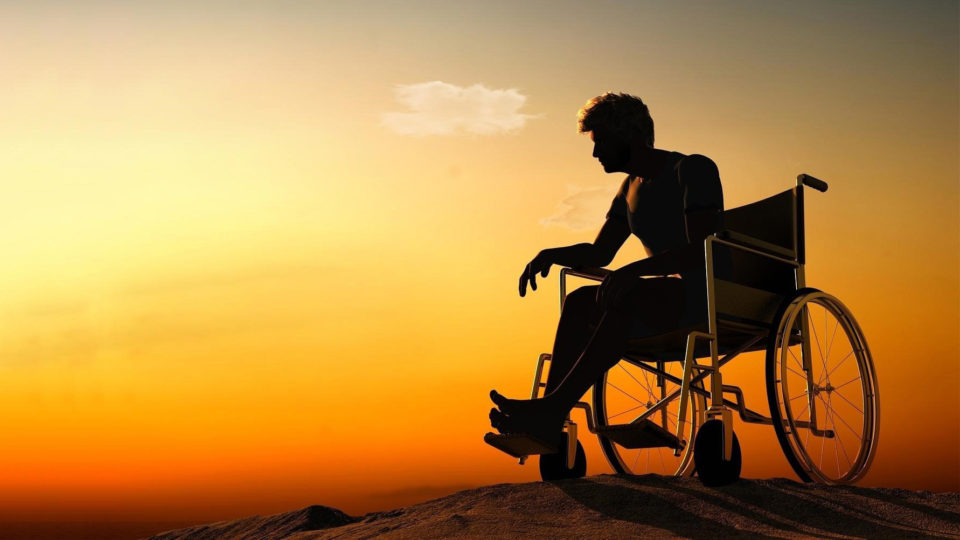
Live music events are thrilling experiences that bring people together through the power of sound and performance. However, for many disabled people, these events are not as accessible or enjoyable. Despite growing awareness of disability rights, live music organisers often fail to make their events inclusive. This article will explore how live music organisers leave disabled people behind and suggest ways to improve accessibility.
Accessibility Issues at Live Music Events
Venue Accessibility
Many live music venues are not designed with disabled people in mind. Stairs without ramps or elevators make it difficult for people using wheelchairs to enter. Even when there are ramps, they are often steep or blocked. Inside, narrow hallways and small restrooms further hinder movement.
Seating Arrangements
Seating arrangements can be a significant problem. Many venues do not have designated areas for wheelchair users or people with other mobility issues. If such areas exist, they are often far from the stage, providing a poor view of the performance. This placement can make disabled attendees feel isolated from the main event.
Ticket Purchasing
Buying tickets is another challenge. Many ticketing websites and systems are not accessible to people with visual impairments or other disabilities. The lack of alternative options for purchasing tickets, such as phone lines or in-person sales, adds to the difficulty.
Lack of Sign
Language Interpreters For deaf or hard-of-hearing individuals, the absence of sign language interpreters at live events can make the experience less enjoyable. Without interpreters, these attendees miss out on the lyrics, jokes, and comments made by performers.
Sensory Issues
Loud noises, bright lights, and crowded spaces can be overwhelming for people with sensory sensitivities. Few venues offer sensory-friendly areas where individuals can enjoy the music without being overstimulated.
The Impact on Disabled People
The inaccessibility of live music events has a profound impact on disabled people. It limits their ability to participate in cultural and social activities, leading to feelings of exclusion and isolation. Attending live music events should be an enjoyable experience for everyone, but when barriers are present, it can be frustrating and disheartening.
Legal Requirements and Guidelines
In many countries, there are laws and guidelines that require public events to be accessible to disabled people. For example, the Americans with Disabilities Act (ADA) in the United States mandates that public venues provide equal access to individuals with disabilities. However, compliance with these laws is often inconsistent. Many organisers do the bare minimum or overlook these requirements altogether.
How to Improve Accessibility
To make live music events more inclusive, organisers can take several steps:
Conduct Accessibility
Audits Regularly assess venues to identify and address barriers to accessibility. This includes ensuring ramps and elevators are in place and functioning, and that restrooms and seating areas are accessible.
Provide Accessible
Ticketing Options Offer multiple ways to purchase tickets, including accessible websites, phone lines, and in-person options. Ensure that these methods are easy to use for people with various disabilities.
Designate Accessible
Seating Areas Create designated seating areas for disabled attendees that offer good views of the stage. These areas should be integrated with the general seating to promote inclusivity.
Hire Sign Language Interpreters
For events that involve spoken or sung performances, hire sign language interpreters. Make sure their services are clearly advertised so deaf or hard-of-hearing attendees are aware.
Create Sensory-Friendly
Spaces Designated quiet areas with lower lighting and sound levels for individuals with sensory sensitivities. Provide information about these spaces in event materials.
Train Staff
Educate staff on how to assist disabled attendees. This includes understanding the needs of people with different disabilities and knowing how to provide respectful and effective support.
Gather Feedback Regularly
Seek feedback from disabled attendees to understand their experiences and identify areas for improvement. Use this feedback to make ongoing adjustments to accessibility measures.
Conclusion
Live music events have the power to bring joy and foster community, but only if they are accessible to everyone. By neglecting the needs of disabled people, organisers miss out on an opportunity to create truly inclusive experiences. Addressing accessibility issues is not just a legal obligation but a moral one. With thoughtful planning and commitment, live music organisers can ensure that their events are welcoming to all attendees, regardless of their abilities.
In conclusion, making live music events accessible benefits everyone. It allows disabled people to participate fully in cultural and social activities, enriching their lives and the community as a whole. It’s time for live music organisers to take meaningful steps towards inclusivity, ensuring that no one is left behind.
