
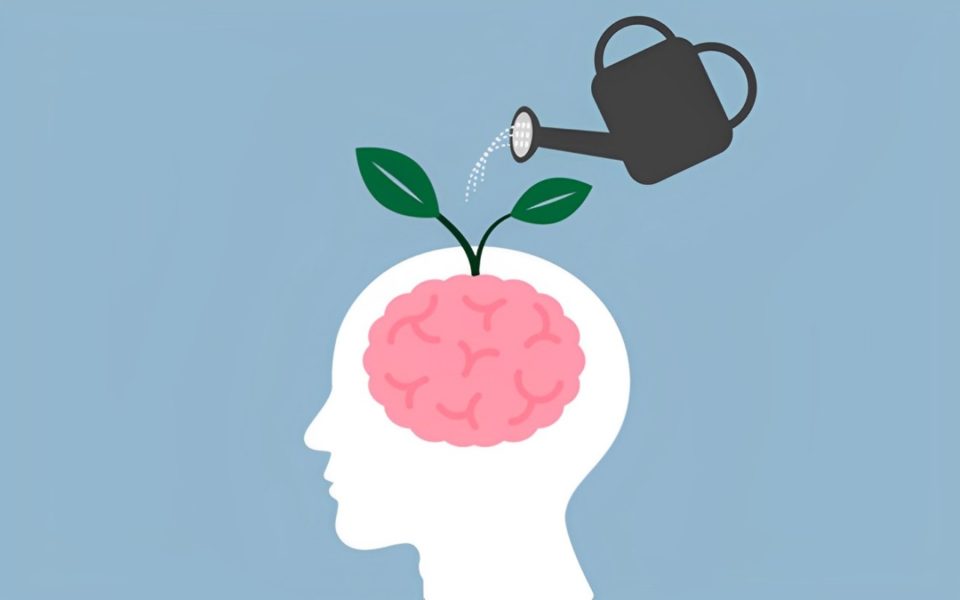
Your brain is your body’s control center, managing everything from your thoughts to your emotions and physical movements. However, many everyday habits can unknowingly harm this vital organ, leading to cognitive decline, memory issues, and even mental health struggles over time. Understanding these harmful habits is the first step toward protecting your brain health. Let’s explore some common behaviors that could be negatively impacting your mind.
Skipping Sleep: The Silent Brain Killer
Sleep isn’t just a time for rest—it’s when your brain processes memories, removes toxins, and repairs itself. Chronic sleep deprivation can impair cognitive functions like focus, problem-solving, and decision-making. Over time, it may even increase the risk of conditions like Alzheimer’s disease.
What You Can Do:
Strive to get 7–9 hours of restful sleep every night.
Create a calming bedtime routine to signal to your body that it’s time to unwind.
Avoid screens and heavy meals before bed to improve sleep quality.
Eating an Unhealthy Diet
What you eat directly affects your brain. Diets high in sugar, processed foods, and unhealthy fats can lead to inflammation, which may harm brain cells and impair function. These dietary habits are also linked to an increased risk of depression and neurodegenerative diseases.
What You Can Do:
Incorporate brain-boosting foods like leafy greens, berries, nuts, and fatty fish.
Reduce consumption of sugary treats, fried dishes, and heavily processed foods.
Stay hydrated to maintain optimal brain function.
Leading a Sedentary Lifestyle
A sedentary lifestyle impacts both your physical health and cognitive function. Regular exercise promotes blood flow, delivers oxygen and nutrients to the brain, and boosts the production of mood-enhancing chemicals. A lack of movement can slow these benefits, affecting memory and mood.
What You Can Do:
Aim for at least 30 minutes of moderate exercise on most days to boost brain health.
Include activities like walking, cycling, or yoga to support mental and physical health.
Take breaks to stretch and move, especially if you work a desk job.
Multitasking Too Often
While multitasking might seem like a skill, it can strain your brain and reduce efficiency. Constantly switching between tasks overloads the brain, leading to increased stress and decreased focus over time.
What You Can Do:
Practice single-tasking by using strategies such as time-blocking to improve focus.
Minimize distractions by silencing unnecessary notifications.
Prioritize tasks to reduce the need for multitasking altogether.
Neglecting Mental Stimulation
Your brain thrives on learning and mental challenges. Repeating the same routines or failing to engage in intellectual activities can lead to stagnation and a decline in cognitive function.
What You Can Do:
Try new hobbies, solve puzzles, or read regularly to stimulate your brain.
Learn a new skill or language to challenge your mental capacities.
Engage in social activities that require conversation and collaboration.
Chronic Stress and Neglecting Self-Care
Prolonged stress releases cortisol, a hormone that, in high amounts, can damage the brain’s memory center (the hippocampus) and impair overall brain function. Ignoring stress management can have long-term consequences on both mental and physical health.
What You Can Do:
Include mindfulness practices such as meditation or deep breathing in your daily routine.
Dedicate time to self-care activities like journaling, walking in nature, or spending time with loved ones.
Seek professional help if stress becomes unmanageable.
Isolating Yourself
Humans are social creatures, and isolation can be detrimental to brain health. Lack of social interaction is linked to an increased risk of cognitive decline, depression, and even dementia in older adults.
What You Can Do:
Prioritize regular connections with friends and family.
Join social groups or volunteer in your community to expand your network.
Use video calls and social media to stay connected when in-person interactions aren’t possible.
Conclusion
Your daily habits play a significant role in your brain’s long-term health. By identifying and modifying behaviors that harm your mind, you can reduce risks, improve cognitive function, and support your mental well-being. Start with small, manageable changes and remember: a healthy brain is the foundation of a fulfilling life. Care for it, and it will take care of you in return.
