
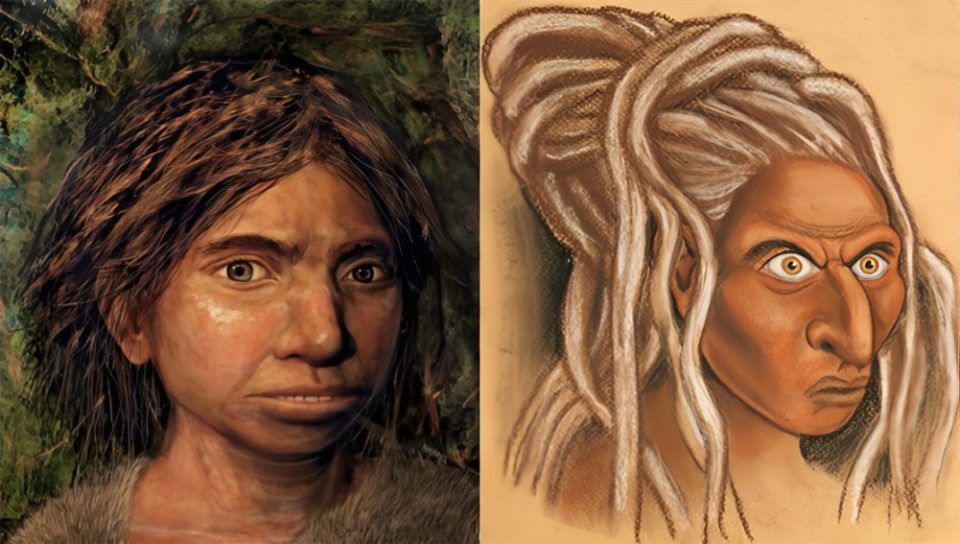
Tibet, often called the “Roof of the World” due to its high elevation, has long been a region of fascination for scientists and historians alike. Recent discoveries have shed light on an intriguing chapter of human history: the existence and thriving presence of an extinct human species in this harsh yet remarkable environment. These findings are not only rewriting our understanding of human evolution but also revealing the adaptability and resilience of early human species.
The Discovery of Denisovans in Tibet
The story begins with the discovery of a hominin species known as the Denisovans. First identified in the Denisova Cave in Siberia, these archaic humans were previously thought to have been confined to the northern reaches of Asia. However, groundbreaking research has expanded their known range significantly.
In 2019, a team of scientists announced the discovery of a Denisovan mandible (jawbone) in the Baishya Karst Cave on the Tibetan Plateau. This find was extraordinary for several reasons:
High Altitude Adaptation: The cave is located at an altitude of over 3,280 meters (10,761 feet) above sea level, suggesting that Denisovans were capable of living in high-altitude environments long before modern humans.
Age of the Fossil: The jawbone was dated to at least 160,000 years ago, indicating that Denisovans were present in Tibet much earlier than previously thought.
Genetic Insights: Proteomic analysis of the mandible revealed a close genetic relationship to Denisovans, firmly placing them in this region and timeframe.
Adaptation to Harsh Environments
The Denisovans’ presence in Tibet highlights their remarkable ability to adapt to extreme environments. The Tibetan Plateau is characterized by its thin air, cold temperatures, and rugged terrain. Surviving and thriving in such conditions would have required significant physiological and cultural adaptations.
High Altitude Tolerance: Modern Tibetans have a unique genetic adaptation that allows them to thrive at high altitudes with lower oxygen levels. This adaptation is linked to a gene variant called EPAS1, which is thought to have been inherited from Denisovans. This discovery suggests that Denisovans may have developed and passed on genetic traits that were crucial for survival in high-altitude environments.
Tool Use and Culture: Evidence from the Baishya Karst Cave and other sites suggests that Denisovans were skilled toolmakers. Stone tools found in these locations indicate advanced techniques and a deep understanding of their environment. These tools would have been essential for hunting, building shelters, and making clothing to withstand the cold.
Implications for Human Evolution
The discovery of Denisovans in Tibet has profound implications for our understanding of human evolution. It challenges previous notions about the geographic range and adaptability of archaic human species. Additionally, it underscores the complexity of human evolution, showing that different human species coexisted, interacted, and shared genetic material.
Interbreeding with Modern Humans: Genetic studies have revealed that Denisovans interbred with modern humans. This genetic legacy is still present in some populations today, particularly in East Asians and Indigenous peoples of Oceania. The Denisovan contribution to the modern human gene pool includes traits that are advantageous for survival in specific environments.
Redefining Human History: The presence of Denisovans in Tibet expands our understanding of the migration and adaptation patterns of early humans. It suggests that human species were far more widespread and versatile than previously believed.
Future Research Directions
The discovery of Denisovans in Tibet opens up new avenues for research. Scientists are eager to explore further:
Genetic Studies: By analyzing more Denisovan fossils and comparing their DNA with that of modern humans, researchers hope to uncover additional genetic contributions and adaptations that have persisted through time.
Archaeological Excavations: Continued excavations in the Tibetan Plateau and surrounding areas may yield more Denisovan remains and artifacts, providing deeper insights into their culture, technology, and way of life.
Climate and Environmental Studies: Understanding how Denisovans adapted to the extreme climate of the Tibetan Plateau can offer valuable information about human resilience and adaptation in the face of environmental challenges.
Conclusion
The extinct Denisovan species once thriving in Tibet represents a remarkable chapter in human history. Their ability to adapt to one of the world’s harshest environments speaks to the resilience and ingenuity of early human species. As research continues, we can expect to uncover even more about these enigmatic ancestors, further enriching our understanding of human evolution and the intricate tapestry of our shared past.
