
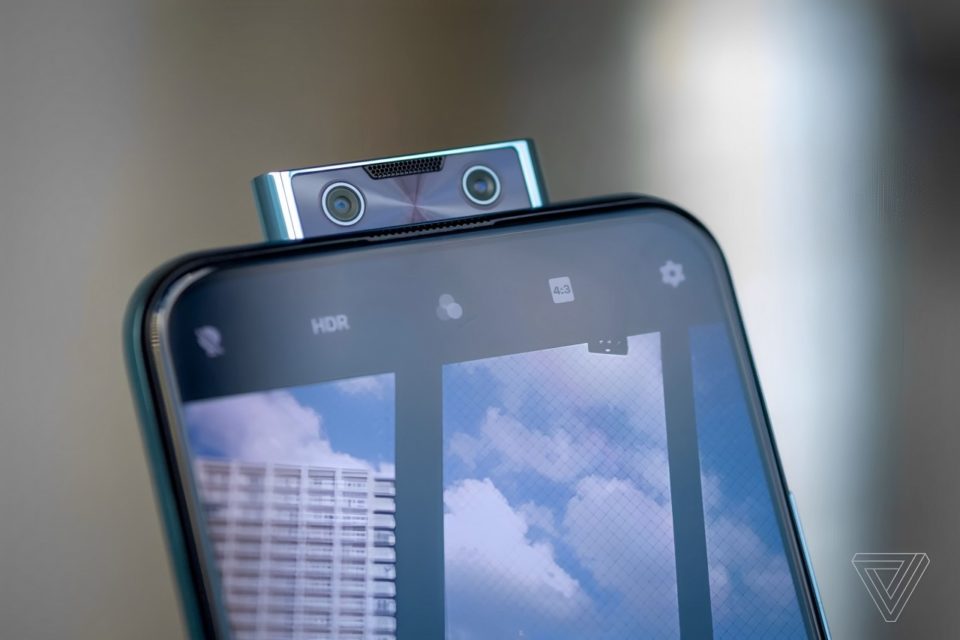
In today’s digital age, a smartphone camera has become one of the most crucial features for users. Whether you’re an aspiring photographer, a social media enthusiast, or just someone who loves capturing everyday moments, having a quality camera on your smartphone can make a significant difference. However, with the plethora of options available, knowing what to look for in a smartphone camera can be overwhelming. Here are key factors to consider when choosing the perfect smartphone camera.
Megapixels Matter, But Not Everything
When it comes to smartphone cameras, the number of megapixels (MP) is often one of the first specifications consumers look at. While having a higher MP count can lead to better image detail, it’s not the sole determinant of image quality. For most users, a camera with 12 to 16 megapixels is more than sufficient for capturing stunning photos.
What’s more important is how well the camera performs in various lighting conditions and how the image processing is handled. Some manufacturers might produce better results with fewer megapixels due to superior lens quality and software optimization. Therefore, consider both megapixels and the overall camera performance.
Aperture Size
The aperture of a camera lens is a crucial aspect that influences how much light the camera can capture. A lower f-number (e.g., f/1.8) indicates a wider aperture, allowing more light to hit the sensor, which is especially beneficial for low-light photography.
Cameras with wider apertures can create a beautiful bokeh effect, blurring the background and focusing on the subject, giving your photos a professional touch. Always check the aperture size when evaluating a smartphone camera, as it significantly impacts image quality in challenging lighting conditions.
Image Stabilization
Image stabilization (IS) is an essential feature for anyone looking to take clear, sharp photos, particularly in low light or when shooting video. There are two main types of stabilization: optical image stabilization (OIS) and electronic image stabilization (EIS).
OIS: This involves physically moving the camera lens to counteract motion, reducing the risk of blurry images when your hands shake or when capturing fast-moving subjects.
EIS: This uses software algorithms to stabilize the image, which can be effective but might not be as reliable as OIS.
For the best results, look for smartphones that offer OIS, especially if you plan to shoot a lot of photos or videos in dynamic situations.
Software and Camera Features
Beyond hardware specifications, the software that powers the camera plays a vital role in photo quality. Look for smartphones with advanced camera software that includes features like:
Night Mode: Enhances low-light photography by capturing multiple exposures and combining them for clearer images.
AI Features: Uses artificial intelligence to recognize scenes and optimize settings for the best results automatically.
Manual Controls: Allows users to adjust settings like ISO, shutter speed, and exposure for more creative control.
These software features can elevate your photography experience, making it easier to capture stunning images under various conditions.
Lens Variety
The versatility of a smartphone camera can greatly enhance your photography experience. Many modern smartphones come equipped with multiple lenses, such as:
Wide-Angle Lens: Ideal for landscape photography or capturing group shots.
Telephoto Lens: Allows you to zoom in on subjects without losing detail, perfect for portraiture or distant scenes.
Macro Lens: Enables you to take close-up shots of small objects, capturing intricate details.
Having a variety of lenses expands your creative possibilities, enabling you to experiment with different types of photography.
Video Capabilities
In addition to still photography, consider the video recording capabilities of a smartphone camera. Look for features such as:
4K Video Recording: Offers high-resolution video quality that is perfect for creating professional-looking content.
Slow Motion and Time-Lapse: Provides creative options for capturing dynamic scenes and presenting them in a unique way.
High Frame Rates: Ensures smooth video playback, which is essential for action shots.
With the rise of video content on platforms like YouTube and TikTok, having a smartphone that excels in video recording is increasingly important.
User Reviews and Samples
Finally, don’t underestimate the power of user reviews and sample photos. Take time to explore camera samples shared by other users and professional reviewers. This will give you a real-world sense of how the camera performs in various situations. Look for reviews that focus on both low-light performance and everyday usability, as these can highlight the strengths and weaknesses of a camera.
Conclusion
Choosing a smartphone camera requires careful consideration of various factors beyond just megapixels. By focusing on aperture size, stabilization features, software capabilities, lens variety, and video quality, you can make an informed decision that aligns with your photography needs. Remember, the best camera is one that suits your lifestyle and creative vision, allowing you to capture the moments that matter most to you. With the right smartphone camera, you’ll be well-equipped to embrace your passion for photography and share your unique perspective with the world.
