The post Lahore’s 12 Gates: A journey through history appeared first on MediaRay.
]]>These gates were not just simple doors. They were symbols of protection, trade, culture, and daily life. Each gate has its own story, its own purpose, and its own charm. Even today, these gates remind us of the glory of old Lahore.
Let’s take a journey through history and explore the 12 gates of Lahore in simple words.
The Walled City of Lahore
In the past, Lahore was surrounded by a strong wall to protect it from enemies. This area is now known as the Walled City of Lahore. The wall had 12 gates, which allowed people to enter and exit the city.
Each gate was built for a specific reason. Some were used by traders, some by travelers, and others had military importance. These gates made Lahore a safe and organized city.
Delhi Gate
Delhi Gate is one of the most famous gates of Lahore. It was named because it faces the direction of Delhi, India.
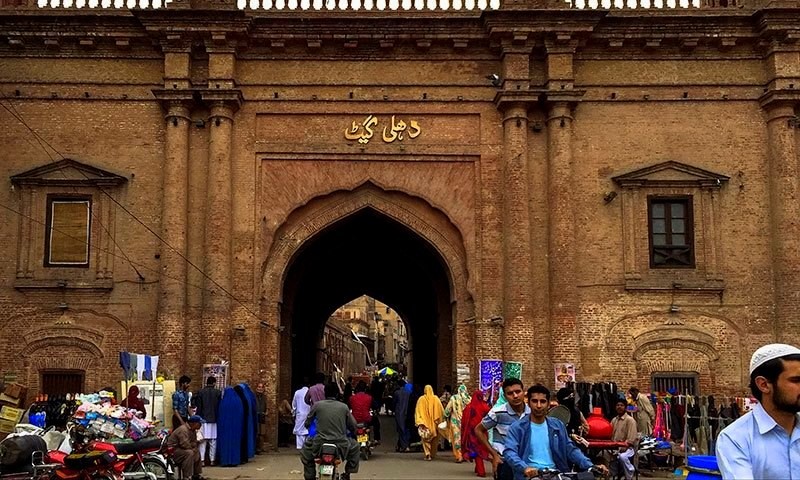
This gate was an important entrance for travelers coming from Delhi. Even today, the area around Delhi Gate is full of life, with markets, food streets, and historical places.
Bhati Gate
Bhati Gate is known for its cultural and literary importance. Many famous poets and writers lived in this area.
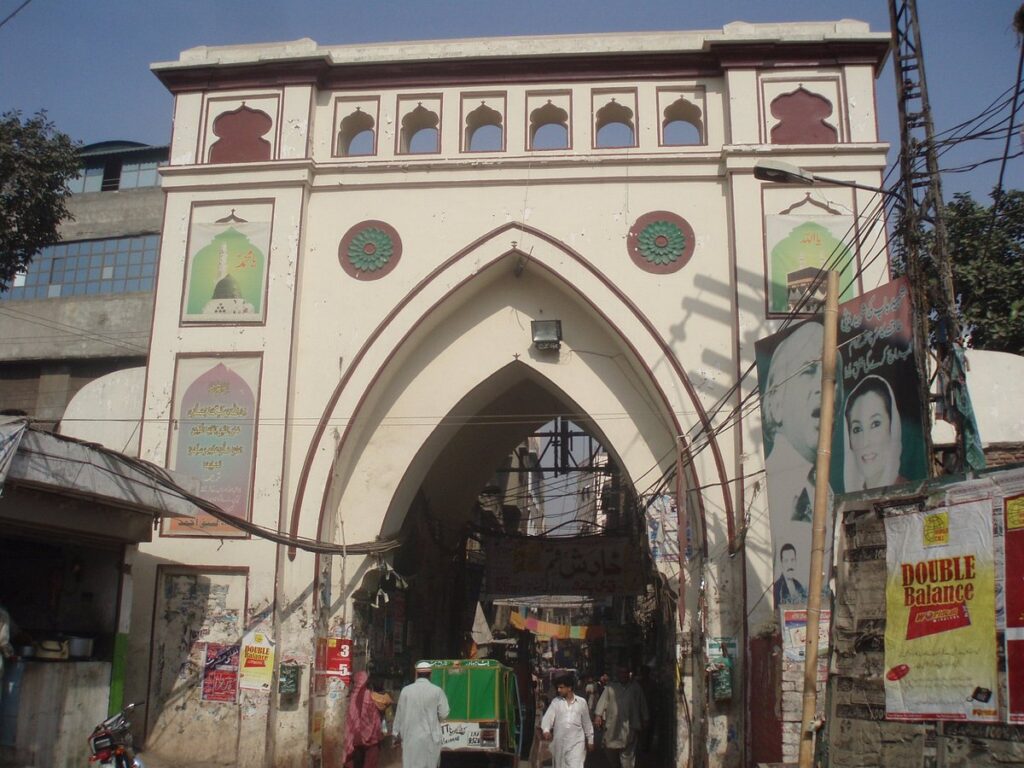
The streets near Bhati Gate are lively and full of traditional food spots. It is a place where you can truly feel the spirit of old Lahore.
Lohari Gate
Lohari Gate got its name from the word “Lohar,” which means blacksmith. In the past, many blacksmiths worked near this gate.
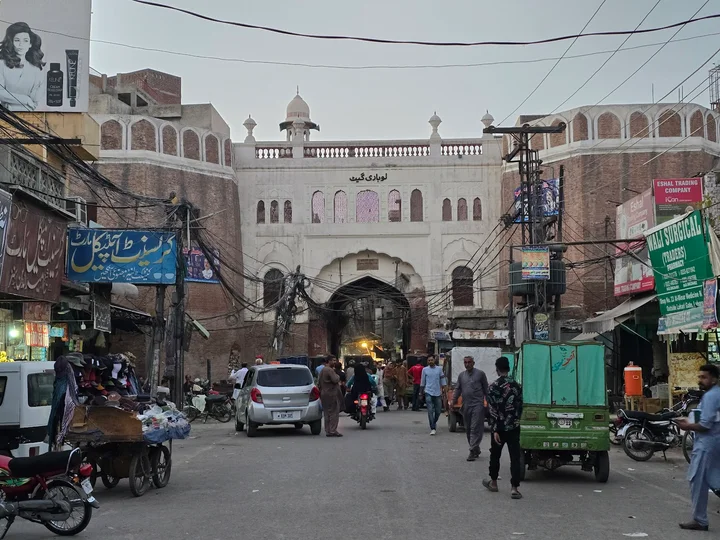
This area was known for metalwork and tools. Today, it is still a busy market with a rich history.
Kashmiri Gate
Kashmiri Gate faces the direction of Kashmir. It was used by people traveling between Lahore and Kashmir.
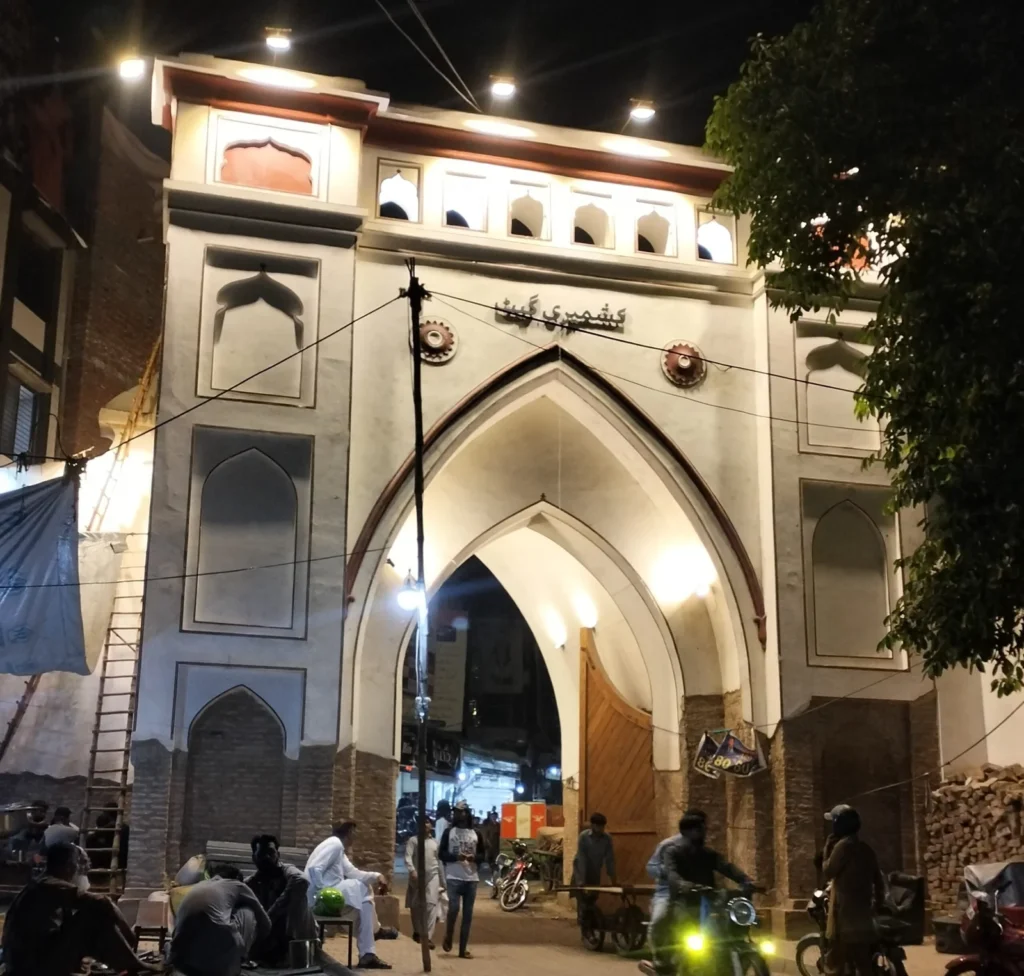
This gate shows the connection between Lahore and the northern regions. It is an important part of the city’s travel history.
Taxali Gate
Taxali Gate is named after the word “Taxal,” which means mint (a place where coins were made).
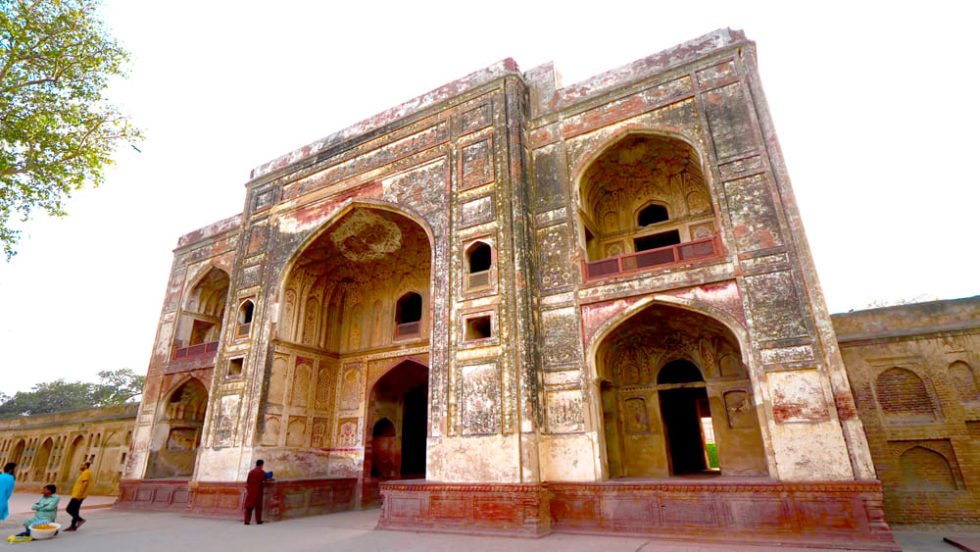
During the Mughal period, coins were produced near this gate. The area is also known for its traditional music and cultural heritage.
Akbari Gate
Akbari Gate was named after the Mughal Emperor Akbar. It was one of the busiest gates because it led to large markets.
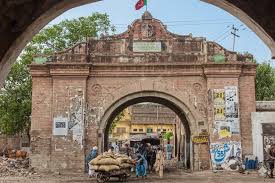
Traders used this gate to bring goods into the city. Even today, Akbari Mandi is one of the biggest grain markets in Lahore.
Shah Alam Gate
Shah Alam Gate is named after Emperor Shah Alam. This gate was rebuilt after being damaged in history.
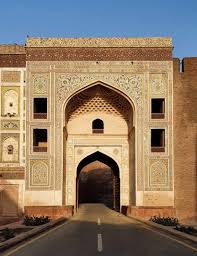
The area around this gate is now a major commercial market, full of shops and business activities.
Mochi Gate
Mochi Gate is famous for its political and cultural importance. Many public gatherings and speeches were held here.
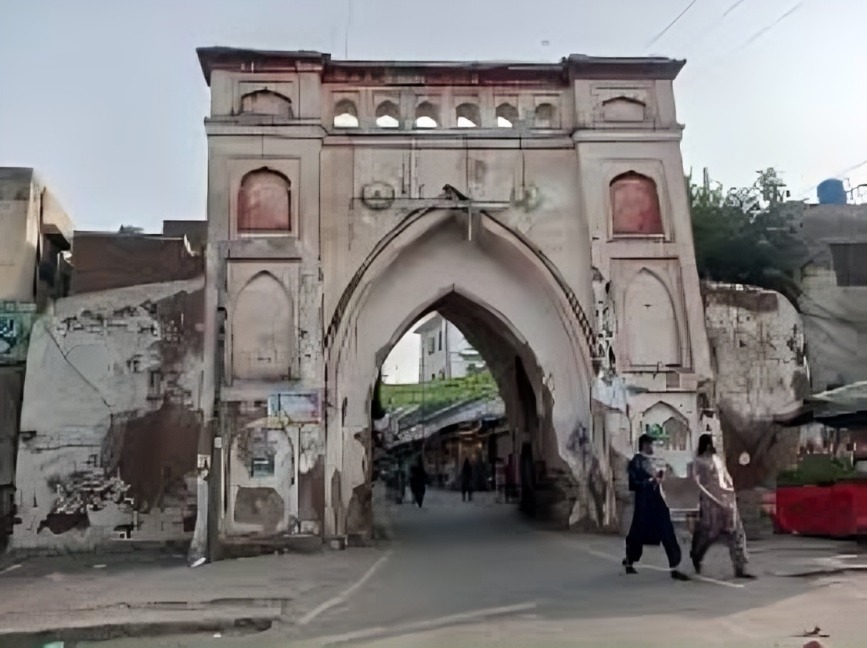
It is also known for Mochi Bagh, a place where people gathered for events and celebrations.
Roshnai Gate
Roshnai Gate means “Gate of Light.” It was beautifully lit at night during the Mughal era.
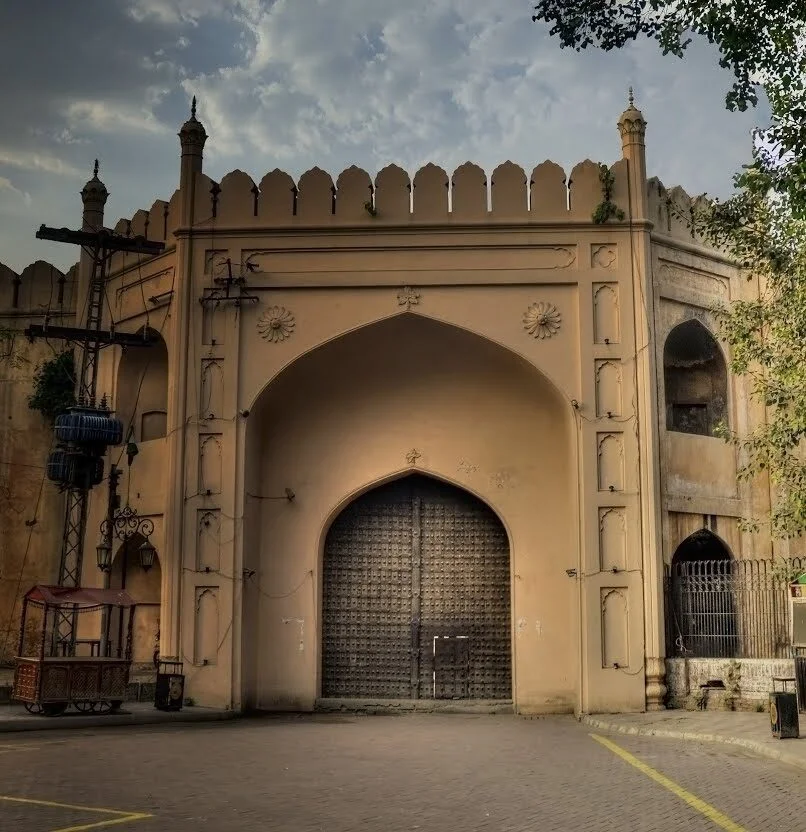
This gate is located near the Lahore Fort and Badshahi Mosque. It is one of the best-preserved gates and still shows its original beauty.
Yakki Gate
Yakki Gate is named after a saint named Zaki (Yakki). According to stories, he fought bravely to protect the city.
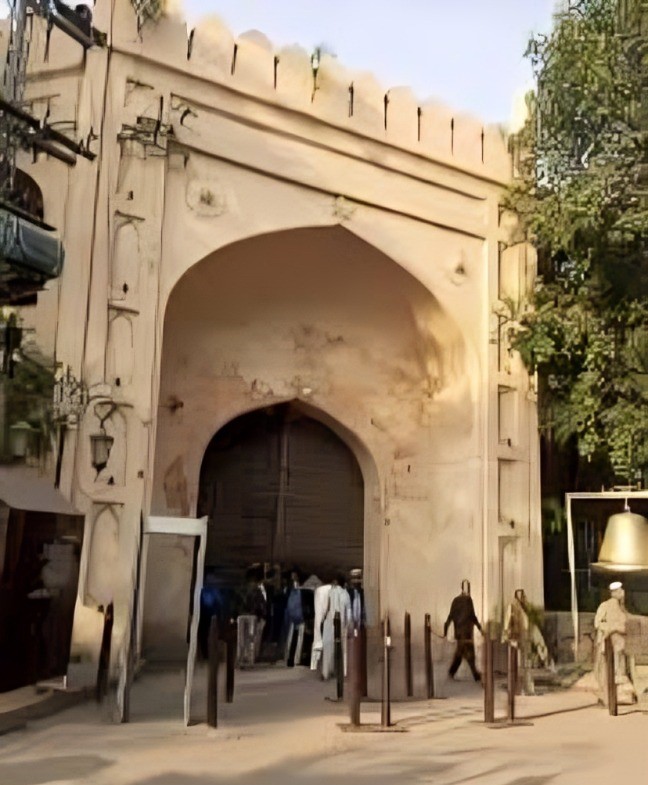
This gate represents courage and sacrifice in Lahore’s history.
Masti Gate
Masti Gate is located near the Lahore Fort. It is one of the oldest gates of the city.
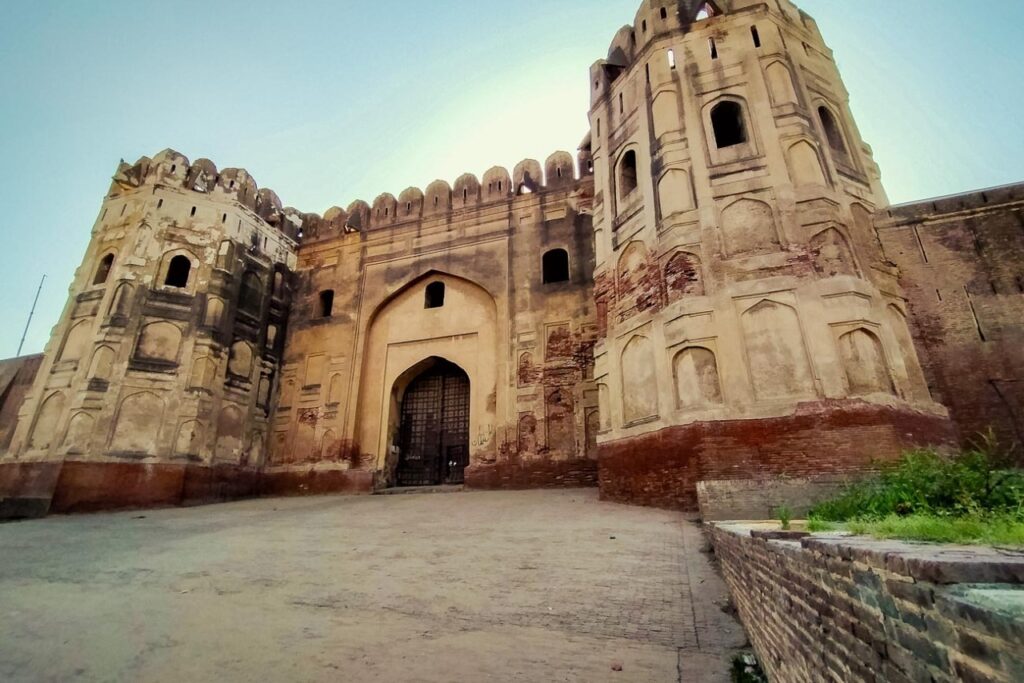
The area is known for its historical importance and close connection to Mughal architecture.
Mori Gate
Mori Gate is the smallest of all the gates. It was mainly used for waste disposal and was not a main entrance like the others.
Despite its small size, it is still an important part of the city’s history.
Importance of the 12 Gates
The 12 gates of Lahore were more than just entry points. They played a key role in the city’s life:
- Protection: They helped defend the city from attacks
- Trade: Goods entered and left through these gates
- Culture: Each gate had its own community and traditions
- History: They reflect the Mughal and Sikh periods of Lahore
These gates show how organized and advanced Lahore was in the past.
Lahore Today
Today, many of these gates still exist, while some have been rebuilt. The Walled City of Lahore remains a popular place for tourists and locals.
Walking through these gates feels like stepping back in time. You can see old buildings, narrow streets, traditional food, and vibrant markets.
Efforts are being made to restore and preserve these historical sites so future generations can learn from them.
Conclusion
The 12 gates of Lahore are not just old structures—they are stories of the past. Each gate tells us something about the city’s culture, people, and history.
From busy markets to peaceful streets, these gates have seen centuries of life pass through them. They remind us of Lahore’s rich heritage and its importance in South Asian history.
Exploring these gates is like taking a journey through time. It helps us understand where we come from and appreciate the beauty of our past.
Lahore truly is a city of history, and its 12 gates are among its greatest treasures.
The post Lahore’s 12 Gates: A journey through history appeared first on MediaRay.
]]>The post Hunza or Skardu: Best place to see blossom in pakistan appeared first on MediaRay.
]]>Hunza: The Valley of Blossoms
Hunza Valley, located in the Gilgit-Baltistan region, is often called the jewel of Pakistan. It is famous for its cherry blossoms, apricot trees, and apple orchards. The best time to visit Hunza for blossoms is March to April, when the valley turns into a rainbow of colors.
Why Hunza is Special
- Apricot Blossoms – Hunza is known worldwide for its apricot trees. When the flowers bloom, the entire valley turns pink and white. Walking through Hunza in spring feels like stepping into a fairy tale.
- Cherry Blossoms – Many parts of Hunza, especially Karimabad, are filled with cherry trees. The soft pink flowers create a stunning contrast against the snow-capped mountains.
- Picturesque Villages – Villages like Karimabad and Altit are surrounded by orchards. You can enjoy the blossoms while exploring traditional Hunza culture and architecture.
- Karimabad Views – The view of Hunza from the Karimabad Fort during blossom season is magical. You can see mountains, valleys, and colorful flowers all at once.
- Friendly Locals – Hunza is known for its warm and welcoming people. They make your blossom trip even more memorable with their hospitality and delicious local food.
Things to Do in Hunza During Blossom Season
- Take a walk through the apricot orchards and enjoy the fresh air.
- Capture the beauty of cherry blossoms with your camera.
- Visit historic sites like Altit Fort and Baltit Fort.
- Try local Hunza dishes like Chapshuro and Apricot Jam.
- Explore nearby valleys like Passu and Hopper Glacier for more scenic views.
Skardu: The Gateway to Nature’s Wonders
Skardu, also in Gilgit-Baltistan, is another amazing destination for blossom lovers. It is famous for its apple and cherry orchards and provides a unique experience compared to Hunza. Skardu’s landscape is slightly wilder and less crowded, making it perfect for nature lovers.
Why Skardu is Special
- Apple Blossoms – Skardu is famous for its apple orchards. During spring, these trees bloom beautifully, turning the valleys into white and pink carpets.
- Cherry and Peach Trees – In addition to apples, Skardu also has cherry and peach trees. The combination of these flowers makes the valley colorful and mesmerizing.
- Mountain Views – Unlike Hunza, Skardu is closer to some of the highest peaks in the world, including K2. The backdrop of blossoming orchards against towering mountains is breathtaking.
- Peaceful Environment – Skardu is less crowded than Hunza, so you can enjoy the blossoms in peace without too many tourists around.
- Shangrila and Satpara Lake – Skardu offers beautiful lakes and resorts where you can relax after exploring the orchards. These places also provide perfect spots for blossom photography.
Things to Do in Skardu During Blossom Season
- Explore Skardu’s apple orchards and enjoy the fresh spring air.
- Visit Shigar Fort and Shangrila Resort for a mix of culture and nature.
- Take photos at Satpara Lake or Upper Kachura Lake surrounded by blooming trees.
- Hike in the nearby valleys for panoramic mountain and blossom views.
- Experience local Balti cuisine like Khambir, Marzan, and Butter Tea.
Hunza vs Skardu: Which is Better for Blossom Lovers?
Both Hunza and Skardu are incredible in spring, but your choice depends on what kind of experience you want.
Hunza Advantages
- More colorful blossoms, especially apricots and cherries.
- Beautiful villages with traditional architecture.
- Iconic views from Karimabad Fort.
- Easier access compared to some parts of Skardu.
Skardu Advantages
- Less crowded and peaceful environment.
- Stunning mountain backdrops with blossom views.
- Unique lakes and resorts to relax during your trip.
- More variety in apple orchards and less commercialized areas.
Best Time to Visit
- Hunza – Late March to mid-April is ideal for apricot and cherry blossoms.
- Skardu – April to early May is perfect for apple and cherry blooms.
Travel Tips
Book your stay early during blossom season as hotels can fill quickly.
Carry a camera to capture the stunning landscapes.
Dress in layers because spring mornings in the north can be chilly.
Respect local traditions while visiting villages and orchards.
Hire a local guide if you want to explore hidden blossom spots.
Conclusion
Both Hunza and Skardu are dream destinations for blossom lovers. Hunza is perfect if you want a vibrant, fairy-tale-like experience with apricot and cherry blossoms, while Skardu is ideal for those seeking peace, majestic mountains, and apple orchards.
No matter which destination you choose, visiting Pakistan’s northern areas in spring is an unforgettable experience. The colorful flowers, breathtaking landscapes, and fresh mountain air will stay in your memory forever.
So, whether you pick Hunza or Skardu, you are guaranteed a magical spring adventure filled with beauty, culture, and nature.
The post Hunza or Skardu: Best place to see blossom in pakistan appeared first on MediaRay.
]]>The post Top national parks in pakistan to visit appeared first on MediaRay.
]]>National parks protect wildlife, forests, and natural environments. They also give people the chance to enjoy peaceful surroundings away from busy cities. Pakistan has many amazing national parks where visitors can see rare animals, beautiful scenery, and fresh mountain air.
Here are some of the top national parks in Pakistan you should visit if you love nature and adventure.
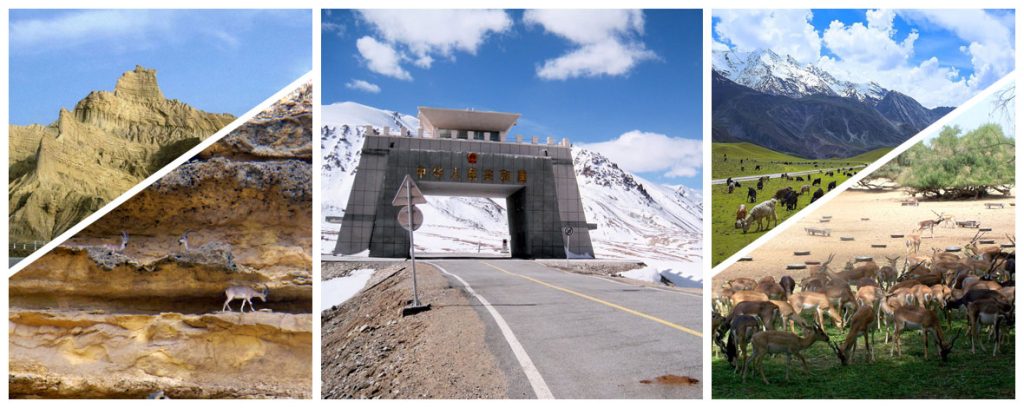
Deosai National Park
Deosai National Park is one of the most famous parks in Pakistan. You can find it between Skardu and Astore in the northern part of the country.Deosai is also known as the “Land of Giants” because of its wide plains and high altitude.
During summer, the park becomes a colorful field of wildflowers. Visitors can see beautiful lakes such as Sheosar Lake, which offers stunning views of nearby mountains. The park is also home to the rare Himalayan brown bear, along with foxes, marmots, and many bird species.
Deosai is perfect for camping, photography, and nature exploration.
Khunjerab National Park
Khunjerab National Park is located in the northern area of Gilgit-Baltistan near the border with China. It is one of the highest national parks in the world and is famous for its breathtaking mountain views.
The park is part of the Karakoram mountain range and is close to the Khunjerab Pass. Visitors traveling along the Karakoram Highway often stop here to enjoy the beautiful scenery.
Wildlife in this park includes snow leopards, ibex, wolves, and golden eagles. Although these animals are rarely seen, the park plays an important role in protecting them.
Khunjerab National Park is an amazing place for travelers who enjoy mountain landscapes and peaceful environments.
Lal Suhanra National Park
Lal Suhanra National Park is located near Bahawalpur in Punjab. It is one of the largest national parks in Pakistan and is unique because it includes desert, forest, and wetland ecosystems in one place.
The park has a large lake where visitors can see different types of birds, especially during the winter season when migratory birds arrive. Animals such as deer, wild boar, and jackals also live in the park.
Visitors can enjoy boating, wildlife watching, and relaxing in nature. Lal Suhanra is a great destination for families and nature lovers.
Hingol National Park
Hingol National Park is the largest national park in Pakistan and is located in Balochistan near the Makran Coastal Highway. This park is famous for its unique landscape, which includes mountains, deserts, and coastal areas.
One of the most popular attractions inside the park is the Princess of Hope, a natural rock formation that looks like a statue. Another famous site is the Hinglaj Mata Temple, which is an important religious place.
The park is home to wildlife such as ibex, chinkara deer, and different bird species. Visitors can also enjoy beautiful views of the Arabian Sea while traveling through the park.
Ayubia National Park
Ayubia National Park is located in Khyber Pakhtunkhwa near the hill station of Murree and Abbottabad. It is one of the most visited national parks because it is easily accessible and offers beautiful forest scenery.
The park is known for its tall pine trees, cool weather, and walking trails. One of the most famous attractions is the Pipeline Track, a walking path that offers amazing views of the surrounding hills.
Ayubia National Park is also home to animals such as monkeys, leopards, and many bird species. It is an ideal place for hiking, picnics, and relaxing in nature.
Chitral Gol National Park
Chitral Gol National Park is located near the town of Chitral in northern Pakistan. The park is surrounded by beautiful mountains and green valleys.
This park is famous for protecting the markhor, the national animal of Pakistan. Visitors may also see snow leopards, black bears, and different birds.
The peaceful environment and natural beauty make Chitral Gol a perfect place for travelers who want to experience untouched nature.
Margalla Hills National Park
Margalla Hills National Park is located near the capital city of Islamabad. It is one of the most popular parks for both locals and tourists.
The park offers hiking trails, viewpoints, and beautiful forests. Popular hiking trails such as Trail 3 and Trail 5 attract many visitors every weekend.
Wildlife in the park includes monkeys, wild boars, foxes, and many bird species. Because it is close to the city, it is a great place for people who want a quick escape into nature.
Why National Parks Are Important
National parks are not only beautiful places for visitors, but they also play an important role in protecting nature. They help conserve wildlife, forests, and natural ecosystems.
These parks also support tourism, which helps local communities and promotes awareness about protecting the environment.
By visiting national parks responsibly, people can enjoy nature while helping preserve it for future generations.
Conclusion
Pakistan is blessed with incredible natural landscapes, and its national parks are a perfect way to experience this beauty. From the high plains of Deosai to the coastal landscapes of Hingol, every park offers something unique.
Whether you enjoy hiking, wildlife watching, photography, or simply relaxing in nature, these parks provide unforgettable experiences.
If you love nature and adventure, visiting the top national parks in Pakistan should definitely be on your travel list.
The post Top national parks in pakistan to visit appeared first on MediaRay.
]]>The post How decolonization is changing european museums appeared first on MediaRay.
]]>The Historical Burden of European Museums
Many of Europe’s most prestigious museums, including the British Museum, the Louvre, and the Humboldt Forum, house vast collections of objects acquired during colonial rule. These artifacts were often taken under questionable circumstances, either through looting, forced exchanges, or exploitative trade agreements. For decades, museums have defended their ownership by arguing that they serve as global custodians of culture, preserving artifacts for future generations. However, this argument has been increasingly challenged by nations demanding the return of their cultural heritage.
One of the most well-known cases is the Benin Bronzes, a collection of thousands of metal plaques and sculptures taken from the Kingdom of Benin (modern-day Nigeria) by British forces in 1897. These artifacts are now scattered across museums in Europe and the United States, and their return has become a key issue in the decolonization debate. Similarly, Greece has long demanded the return of the Parthenon Marbles from the British Museum, while Egypt continues to push for the repatriation of the Rosetta Stone.
Steps Toward Decolonization
Decolonization in museums goes beyond repatriation. It involves a fundamental shift in how museums present history, engage with source communities, and acknowledge the colonial violence behind their collections. Some of the major steps being taken include:
Repatriation of Artifacts: Many museums have started returning looted objects to their countries of origin. In 2021, France returned 26 stolen artifacts to Benin, while Germany agreed to return hundreds of Benin Bronzes to Nigeria. These acts represent a growing recognition that stolen heritage must be returned.
Reframing Narratives: Museums are increasingly revising their exhibitions to include the perspectives of formerly colonized peoples. Instead of glorifying European explorers and collectors, institutions are acknowledging the violent histories behind their collections. The Rijksmuseum in Amsterdam, for example, has introduced new exhibitions that critically examine Dutch colonial history.
Collaborating with Source Communities: Some museums are engaging with indigenous and local communities to co-curate exhibitions and ensure that their stories are told authentically. The Humboldt Forum in Berlin has begun working with representatives from African nations to decide how their artifacts should be displayed.
Decolonial Education and Public Engagement: Museums are launching programs to educate the public about colonial history and its lasting impacts. Through workshops, lectures, and interactive displays, they aim to challenge Eurocentric narratives and foster greater understanding of global histories.
The Resistance to Change
Despite growing momentum, decolonization efforts in European museums have faced resistance. Some argue that returning artifacts will empty museums and deprive the public of cultural treasures. Others claim that artifacts are safer in European institutions, where they are preserved under optimal conditions. There is also the concern that repatriation could set a precedent leading to widespread demands for the return of cultural objects, potentially destabilizing museum collections.
Political opposition has also played a role in slowing decolonization efforts. Some European governments have been reluctant to fully support repatriation efforts, fearing diplomatic tensions or losing valuable cultural assets. However, the increasing international pressure and ethical considerations are making it difficult for museums to ignore these demands.
The Future of European Museums in a Decolonized World
The decolonization of museums is not a passing trend; it represents a profound transformation in how cultural institutions function. As more artifacts are returned, museums will need to rethink their missions, focusing less on possession and more on collaboration, education, and ethical stewardship. The future of museums may involve more traveling exhibitions, partnerships with global institutions, and digital access to collections rather than ownership of physical objects.
Additionally, decolonization is prompting museums to engage more critically with their audiences. By embracing uncomfortable truths and fostering dialogue, they can become spaces for learning and reconciliation rather than mere showcases of colonial spoils. The changes taking place today will shape the museums of tomorrow, ensuring that they reflect a more just and inclusive view of world history.
Conclusion
Decolonization is reshaping European museums in fundamental ways, forcing them to confront their colonial past and redefine their purpose. While repatriation is a crucial step, the broader goal is to create institutions that honor the dignity and rights of all cultures. The resistance to change is strong, but the momentum for decolonization continues to grow, driven by activists, scholars, and nations seeking justice.
Museums must evolve beyond being keepers of the past; they must become platforms for truth, healing, and cultural exchange. Only by embracing decolonization can they truly fulfill their role as global institutions that serve all of humanity, rather than just a privileged few.
The post How decolonization is changing european museums appeared first on MediaRay.
]]>The post The wonderful world of completely random facts appeared first on MediaRay.
]]>From bizarre animal behaviors to surprising human body capabilities, the universe is packed with extraordinary trivia that can entertain, educate, and even challenge what we think we know. So, let’s dive into the wonderful world of completely random facts—you might just find yourself sharing these with friends and family!
Nature’s Strangest Marvels
Nature never fails to surprise us with its weird and wonderful creations. Here are some mind-boggling facts about the natural world:
Octopuses have three hearts and blue blood. Two in their hearts pump blood to the gills, whilst the 1/3 circulates it to the relaxation of the body. When they swim, this third heart stops beating!
Bananas are berries, but strawberries aren’t. Botanically speaking, a berry must contain seeds and pulp and develop from a single flower ovary—bananas fit the definition, while strawberries do not.
There’s a species of jellyfish that is biologically immortal. Turritopsis dohrnii has the ability to revert to its juvenile state, effectively escaping death unless eaten by a predator.
Mind-Blowing Human Body Facts
The human body is full of hidden surprises. Despite being the subject of extensive study, scientists are still uncovering incredible things about how we function.
Your bones are actually stronger than steel. Ounce for ounce, bone has a higher resistance to breaking than steel rods of the same width.
Your brain generates enough electricity to power a lightbulb. The human brain produces about 20 watts of electrical energy, enough to keep a small LED bulb lit.
You produce sufficient saliva in an entire life to fill swimming pools.That’s about 25,000 liters of saliva over an average lifespan!
The World’s Weirdest Laws
Across the globe, different cultures have developed some truly bizarre laws—some of which are still in effect today!
In Switzerland, it’s illegal to own just one guinea pig. Since guinea pigs are social animals, Swiss law considers it animal cruelty to keep one in isolation.
In Florida, it’s unlawful to tie an alligator to a hearthplace hydrant. While it might seem like a joke, this law was created for public safety reasons.
In France, you can legally marry a dead person. If you can prove that the deceased intended to marry you before they passed away, French law allows for posthumous marriage under certain circumstances.
Unbelievable Space and Science Facts
The universe is vast and full of mysteries, many of which are stranger than fiction.
A day on Venus is longer than a year on Venus. Venus takes 243 Earth days to rotate as soon as on its axis however best 225 Earth days to finish a complete orbit across the Sun.
There’s a planet where it rains molten glass. HD 189733b, located 63 light-years away, has winds of up to 5,400 mph and rains glass due to its scorching atmosphere.
Water can boil and freeze at the same time. Under specific conditions called the triple point, a substance can exist as a solid, liquid, and gas simultaneously.
History’s Most Bizarre Events
History is full of strange moments that sound too weird to be true.
Cleopatra lived closer in time to the moon landing than to the construction of the Great Pyramid. The pyramids were built around 2560 BCE, while Cleopatra ruled Egypt in the first century BCE. The moon landing happened in 1969!
Napoleon was once attacked by a horde of bunnies. His men had gathered rabbits for a hunt, but when released, they charged toward Napoleon instead of running away.
A war lasted only 38 minutes. The Anglo-Zanzibar War of 1896 holds the record for the shortest war in history, ending in just over half an hour.
Conclusion
No matter how much we think we know, the world is always ready to surprise us with something new and unexpected. Whether it’s the quirks of nature, the mysteries of the human body, the oddities of history, or the strange laws of different countries, random facts make life more interesting.
So, the next time you find yourself in need of an icebreaker or simply want to impress your friends, pull out one of these fascinating tidbits! Who knows? You might just inspire someone else to explore the wonderful world of completely random facts.
The post The wonderful world of completely random facts appeared first on MediaRay.
]]>The post Surviving winter in the middle ages appeared first on MediaRay.
]]>Shelter and Heating
Medieval homes varied greatly depending on social class. The wealthy lived in stone castles or manor houses, while peasants resided in simple wooden or wattle-and-daub cottages.
Castles and Manor Houses: These large structures, while impressive, were difficult to heat. Open hearths provided warmth, but heat distribution was uneven. Tapestries, thick rugs, and heavy drapes were used to insulate walls and windows. Lords and their families often gathered in the great hall, the warmest room, to share body heat and warmth from the fireplace.
Peasant Homes: Poorer families lived in single-room huts with thatched roofs. A central hearth served as the primary source of heat and cooking. To retain warmth, livestock were often kept inside during the winter, providing both body heat and a readily available food source.
Clothing and Layering
Winter clothing was crucial for survival. People layered garments made of wool, linen, and fur to trap body heat.
Undergarments: Linen shifts and woolen tunics provided a base layer for warmth.
Outer Garments: Cloaks, hooded capes, and fur-lined coats were essential for braving the elements.
Footwear and Accessories: Thick leather shoes lined with fur or straw helped protect against frostbite, while gloves, mittens, and hats reduced heat loss.
Food Preservation and Storage
With fresh produce unavailable in winter, medieval people relied on preserved food. Methods included:
Salting and Smoking: Meats, particularly pork, were salted or smoked to extend shelf life.
Drying and Pickling: Fruits, vegetables, and fish were dried or pickled for long-term storage.
Grain Storage: Flour and grains like wheat, rye, and barley were kept in sealed containers to prevent spoilage and rodent infestations.
Dairy and Root Vegetables: Cheese and butter were made during warmer months and stored for winter consumption. Root vegetables such as turnips, carrots, and onions lasted longer when stored in cool, dry places.
Health and Medicine
Winter illnesses, such as colds, pneumonia, and malnutrition, were common. Without modern medicine, people turned to herbal remedies and traditional treatments.
Herbal Remedies: Garlic, honey, and onions were used to treat coughs and infections.
Hot Beverages: Spiced wines and herbal teas helped warm the body and provided relief from cold symptoms.
Superstitions and Beliefs: Some medieval people believed that amulets or religious relics could protect against illness.
Work and Daily Life
Despite the harsh weather, work continued in winter, though activities were limited compared to warmer months.
Agricultural Work: Farmers focused on repairing tools, tending to livestock, and planning for the next planting season.
Indoor Trades: Blacksmiths, weavers, and other craftsmen worked indoors to create goods needed for daily life.
Social Gatherings: Winter was also a time for community bonding, with feasts, religious celebrations, and storytelling helping to pass the long nights.
Community and Mutual Aid
Survival often depended on cooperation. Villages shared resources, food, and warmth. Those struggling were supported through almsgiving, church aid, or communal meals. The feudal system also played a role, as lords provided sustenance and shelter to their serfs in exchange for labor.
Conclusion
Surviving winter in the Middle Ages required careful preparation, resourcefulness, and community support. Despite lacking modern conveniences, medieval people developed effective strategies to endure harsh winters, proving that resilience and ingenuity are timeless human traits.
The post Surviving winter in the middle ages appeared first on MediaRay.
]]>The post Life below zero in the midwest – Surviving and thriving in extreme cold appeared first on MediaRay.
]]>The Brutal Reality of Midwest Winters
Winter in the Midwest is not just a season—it’s a way of life. From North Dakota to Michigan, temperatures can plummet well below zero, with wind chills making it feel even colder. Snow can fall for days at a time, burying roads, homes, and vehicles under thick blankets of white. Blizzards and ice storms are common, often disrupting daily life and posing serious hazards. Many people experience power outages, frozen pipes, and dangerously slick road conditions. Residents must prepare for months of freezing temperatures, stockpiling food, winterizing homes, and ensuring they have backup heat sources.
Beyond the physical challenges, Midwest winters also take a mental toll. The long, dark days and extreme cold can lead to seasonal affective disorder (SAD), a form of depression that affects many during the winter months. People must find ways to stay active, maintain social connections, and create cozy indoor environments to combat the winter blues.
Adapting to the Cold
Surviving life below zero requires resilience, resourcefulness, and preparation. Here’s how Midwesterners cope with the extreme cold:
Layering Up
The key to staying warm is layering. Residents wear moisture-wicking base layers to keep sweat off the skin, insulating mid-layers to retain body heat, and windproof outer layers to block the freezing wind. Accessories like insulated gloves, thick socks, and thermal hats are essential. Some even rely on heated clothing and hand warmers to fight off the chill. Learning the right combination of layers can mean the difference between comfort and frostbite.
Winter-Proofing Homes
To combat freezing temperatures, Midwesterners insulate their homes, seal drafts, and invest in efficient heating systems. Many also keep emergency supplies on hand, including generators, extra blankets, and non-perishable food. Some homeowners rely on wood-burning stoves as a backup heating source, ensuring they can stay warm even during power outages. Additionally, frozen pipes are a common concern, so people insulate plumbing, allow faucets to drip, and keep cabinets open to circulate warm air.
Vehicle Preparation
Driving in Midwest winters is no small feat. Ice-covered roads, whiteout conditions, and blizzards make travel dangerous. Residents equip their cars with winter tires, keep emergency kits in their vehicles, and learn defensive driving techniques for icy conditions. These kits typically include blankets, a flashlight, non-perishable food, and a shovel in case they get stranded. Many also carry sand or kitty litter to provide traction if their car gets stuck in deep snow.
Car batteries often struggle in extreme cold, so many Midwesterners carry portable jump starters or rely on block heaters to keep engines from freezing. Learning how to drive safely on icy roads is essential, as sudden braking or fast turns can lead to dangerous accidents.
Outdoor Survival Skills
For those who work or spend time outdoors, knowing how to recognize frostbite and hypothermia is crucial. Hunters, farmers, and outdoor enthusiasts use insulated gear, hand warmers, and emergency shelters to stay safe. Wearing the right gear and knowing when to seek shelter can make all the difference in extreme conditions.
Winter sports enthusiasts also prepare for emergencies, carrying survival gear such as emergency blankets, fire-starting kits, and GPS devices. Some even take specialized winter survival training courses to ensure they can handle unexpected situations in the wilderness.
The Community Spirit
Despite the harsh conditions, Midwest winters foster a strong sense of community. Neighbors check in on one another, towns organize winter festivals, and schools teach children how to stay safe in the cold. People embrace the winter through ice fishing, skiing, and snowmobiling, turning the season into an opportunity for adventure. Snowplow drivers work tirelessly to keep roads clear, and volunteers step up to help those in need.
The extreme weather also strengthens social bonds. Families gather around fireplaces, host game nights, and cook hearty comfort foods to stay warm. Many towns celebrate winter with ice sculpture festivals, polar plunges, and sled dog races, turning the season into a time of connection rather than isolation.
The Beauty of the Midwest Winter
While the cold can be brutal, the Midwest winter has a unique beauty. The landscape transforms into a winter wonderland, with frost-covered trees, sparkling snowdrifts, and frozen lakes perfect for ice skating. The Northern Lights occasionally make an appearance, painting the night sky with dazzling colors. Many find solace in the stillness of a snowy morning, the crisp air, and the breathtaking views of untouched wilderness.
Wildlife adapts in fascinating ways. Deer forage through snow-covered fields, foxes burrow into insulated dens, and birds fluff their feathers to trap heat. Despite the challenges, nature continues to thrive, offering stunning sights for those willing to brave the cold.
Conclusion
Life below zero in the Midwest is a testament to human endurance and adaptability. While the frigid temperatures can be unforgiving, the resilience and camaraderie of Midwesterners make winter a challenge they not only survive but often embrace. Whether it’s through smart preparation, strong community ties, or sheer determination, the people of the Midwest prove that life in extreme cold is not just possible—it can even be rewarding. The ability to find joy in the harshest of conditions, to build traditions around the cold, and to forge strong relationships in the face of adversity makes the Midwest winter an unforgettable experience.
The post Life below zero in the midwest – Surviving and thriving in extreme cold appeared first on MediaRay.
]]>The post The surprising way the mona lisa became famous appeared first on MediaRay.
]]>The Painting’s Early Years
Painted by Leonardo da Vinci in the early 1500s, the Mona Lisa initially went largely unnoticed by the broader public. Da Vinci was commissioned by Florentine merchant Francesco del Giocondo to paint a portrait of his wife, Lisa Gherardini, a member of the Florentine aristocracy. The painting, then known simply as La Gioconda in Italian, was meant to be a private commission for the Giocondo family and was kept within their home for years. During this period, there was no mass art appreciation or celebrity status attached to art like we see today. The painting was simply one among many created during the Renaissance, and it was appreciated by those who saw it but remained relatively obscure in the wider art world.
The Theft that Sparked Worldwide Attention
The surprising twist in the Mona Lisa’s rise to fame occurred in 1911, when the painting was stolen from the Louvre Museum in Paris. The theft was a shocking event. Vincenzo Peruggia, an Italian handyman who had previously worked at the museum, managed to steal the Mona Lisa and hide it in his apartment for over two years. His motive was rooted in his belief that the painting should be returned to Italy, where he thought it rightfully belonged.
The theft caused an international sensation. The Louvre, which had long been a hub for art lovers, found itself in the center of a media frenzy. Newspapers across the world covered the story, and the painting, which had previously been a curiosity among art aficionados, became a household name. People from all over the world were fascinated by the mystery of the theft and the disappearance of such a beloved artwork. The media coverage, combined with the intrigue surrounding its return, propelled the painting to global fame. Its theft made it a symbol of cultural importance, even for those who had never seen it in person.
The Mona Lisa’s Return and International Stardom
In 1913, after more than two years of being lost, the Mona Lisa was recovered when Peruggia tried to sell it to an art dealer in Florence. He was caught, and the painting was returned to the Louvre, where it was welcomed back with great fanfare. By this time, the Mona Lisa had already achieved a status that far exceeded its initial fame as a portrait. When the painting was finally returned to public view, crowds flocked to the museum to see it. The Mona Lisa was no longer just a painting; it had become a symbol of international intrigue, beauty, and mystery.
Modern-Day Fame: A Cultural Icon
The media storm surrounding the theft of the Mona Lisa laid the groundwork for its status as one of the most recognized paintings in the world. In the decades that followed, the Mona Lisa’s fame was further solidified through its place in popular culture. From being the subject of parodies, such as Marcel Duchamp’s 1919 L.H.O.O.Q. (a famous alteration of the Mona Lisa with a mustache), to being featured in countless documentaries, books, and movies, the painting became ingrained in the collective consciousness.
Today, the Mona Lisa attracts millions of visitors every year at the Louvre. Its fame has transcended the art world, becoming a symbol of mystery and beauty for people of all ages and backgrounds. Its fame endures because it remains an enigma—whether through the ambiguity of the subject’s smile, the unresolved questions about its creation, or the intriguing history of its theft.
Conclusion
The Mona Lisa’s fame is a testament to the unpredictable nature of what makes something famous. It wasn’t merely Leonardo da Vinci’s genius or the quality of the painting that secured its place in history; rather, it was a combination of factors—the theft, the international media attention, and its return to the public eye—that transformed it from a private commission into one of the most iconic works of art ever created.
Today, the Mona Lisa’s fame serves as a reminder that the journey to iconic status is not always linear. Sometimes, it is the unexpected events, the mysteries, and the twists of fate that elevate something from obscurity to worldwide recognition. In the case of the Mona Lisa, this unexpected rise to fame has ensured that its legacy will continue to captivate audiences for generations to come.
The post The surprising way the mona lisa became famous appeared first on MediaRay.
]]>The post The lonely firefly made a discovery appeared first on MediaRay.
]]>For Lumo, loneliness was an all-too-familiar companion. Every night, he watched from a distance as the other fireflies painted the sky with patterns of golden light. Yet, deep within, Lumo longed to find his own spark—a light that was uniquely his.
A Journey into the Unknown
One quiet evening, as a gentle breeze rustled the leaves, Lumo decided to explore beyond the familiar parts of the forest. He had often heard whispers of a magical clearing, said to hold wonders no firefly had ever seen. With a mix of excitement and trepidation, he set out into the vast unknown.
The forest grew darker as he ventured further. Towering trees stretched endlessly into the sky, their shadows creating intricate patterns on the forest floor. Streams whispered their songs, and owls hooted in the distance. Lumo’s faint light flickered nervously, but his determination carried him forward.
Hours passed before he noticed something extraordinary—a soft, steady glow emanating from a hidden nook near a cluster of ancient trees. The light was unlike anything Lumo had ever seen. It wasn’t the flicker of a firefly or the cold glint of moonlight. It was warm, vibrant, and inviting.
The Discovery
As Lumo approached the source, he saw a crystalline object nestled among the roots of the trees. The crystal was luminous, pulsating gently like a heartbeat. It bathed the surrounding area in a golden hue, casting an ethereal glow on the moss-covered ground.
Curiosity overwhelmed his hesitation. Lumo fluttered closer and landed delicately on the crystal’s surface. The moment his tiny feet touched it, he felt a surge of energy unlike anything he’d experienced before. A warmth spread through his body, and his light, once dim and unreliable, suddenly burned bright and steady.
For the first time, Lumo’s glow matched the brilliance of the other fireflies. But there was something more—a sense of connection, as if the crystal had awakened something deep within him.
Sharing the Light
Lumo’s radiant transformation did not go unnoticed. Nearby creatures, drawn by the newfound brilliance, began to gather. Fireflies from across the forest soon joined him, curious and amazed by the shimmering crystal and Lumo’s vibrant glow.
Instead of keeping his discovery to himself, Lumo chose to share it. He guided others to the crystal, encouraging them to touch it and experience its magic. Each firefly that approached found their light enhanced, their glow stronger and more vibrant than before.
The crystal became a beacon of unity, transforming the forest into a haven of light and harmony. No longer was Lumo the outcast; he was now a guardian of something extraordinary, a symbol of hope and togetherness.
A Light That Changed Everything
Over time, the forest grew brighter, not just from the physical light but from the connections it fostered among its inhabitants. Lumo’s loneliness had given way to a deep sense of purpose. He had discovered that even the dimmest light could shine brilliantly when given the right chance—and that sometimes, the greatest discoveries come from embracing what makes us different.
Lumo’s story spread far beyond the forest, carried on the wings of migrating birds and whispered in the rustle of leaves. He became a legend, a reminder that even the smallest and loneliest among us can illuminate the world when they find their spark.
Conclusion
The lonely firefly who once wandered the forest in search of belonging had found more than just a magical crystal—he had found his place. Lumo’s journey taught all who heard it that the path to discovery often begins with courage, and that light shines brightest when shared.
And so, in the heart of that enchanted forest, the glow of the crystal and the fireflies continues to light up the night, a testament to the power of hope, unity, and the magic of discovery.
The post The lonely firefly made a discovery appeared first on MediaRay.
]]>The post Dance across borders – How movement connects cultures appeared first on MediaRay.
]]>The Universal Language of Dance
Dance is an innate human expression, speaking directly to the soul. Across time and cultures, it has been a way to convey emotions, tell stories, and communicate complex ideas without the need for words. Whether it’s the precise, graceful footwork of Indian Kathak, the soulful improvisation of American jazz dance, or the vibrant, high-energy movements of African tribal dances, every form carries a unique cultural identity. Despite their differences, all dances share a common essence: the ability to connect and communicate.
When people from diverse backgrounds come together to dance, barriers of language and geography dissolve. They find a shared rhythm, a universal pulse that unites them in joy and understanding. Dance becomes a bridge, fostering relationships and building a sense of community.
A Bridge Between Cultures
Globalization has amplified the ability of dance to cross borders. With the advent of the internet and cultural exchanges, fusion dance styles have emerged, blending elements from various traditions. Salsa, for instance, has its roots in Latin America but has become a beloved form practiced across the globe. Similarly, the influence of K-pop choreography has expanded far beyond South Korea, inspiring millions to replicate its moves in dance studios and on social media platforms worldwide.
Such exchanges go beyond entertainment—they foster appreciation and empathy. When someone learns a dance form from another culture, they gain insight into its history, values, and artistry. These interactions break stereotypes, encouraging a more nuanced understanding of cultural diversity.
Dance as a Keeper of Tradition
Dance has always been a cornerstone of cultural heritage. Traditional dances are not just performances; they are living archives of history, values, and beliefs passed down through generations. For example, the Japanese Noh dance-drama combines movement, music, and storytelling to reflect centuries-old traditions. Similarly, Ireland’s lively jig embodies the spirit of its people and their history.
These traditional dances are windows into the past, allowing us to honor and preserve cultural legacies. When they are shared on international stages or celebrated in cultural festivals, they invite global audiences to appreciate the richness of their origins. This shared experience promotes cultural exchange while safeguarding these art forms for future generations.
Modern Platforms Amplify Connectivity
In the digital age, social media has revolutionized the way we share and experience dance. Platforms like TikTok, Instagram, and YouTube have turned dance into a global phenomenon. Viral dance challenges, such as the Renegade or Jerusalema, have united millions, encouraging participation regardless of age, location, or background.
These platforms act as virtual stages where dancers can showcase their art and celebrate their culture. They allow traditional forms like the Balinese Legong or the Hawaiian Hula to gain new audiences, while also enabling emerging styles to flourish. This democratization of dance strengthens its role as a connector of cultures and a promoter of global creativity.
Breaking Barriers Through Movement
Dance festivals and events are another testament to its unifying power. International gatherings such as the World Dance Festival or the Carnival in Rio de Janeiro draw participants and spectators from all corners of the globe. These events showcase the vast diversity of dance while emphasizing the universal joy it brings.
Such gatherings also serve as cultural exchanges, where participants learn from one another and forge connections that transcend linguistic and geographical divides. Whether it’s a street performance or a grand stage production, these moments of shared movement remind us of our interconnectedness.
Conclusion
Dance is far more than movement; it is a celebration of life, identity, and shared humanity. By transcending borders and bridging cultures, it reminds us that no matter how different we may seem, we are all part of the same global rhythm.
In embracing dance, we embrace the richness of human diversity while finding the common threads that unite us. As we continue to learn, share, and celebrate through movement, we pave the way for a more connected and harmonious world.
So let us dance together, across borders and cultures, for in every step, turn, and leap, we discover unity in our collective journey.
The post Dance across borders – How movement connects cultures appeared first on MediaRay.
]]>