
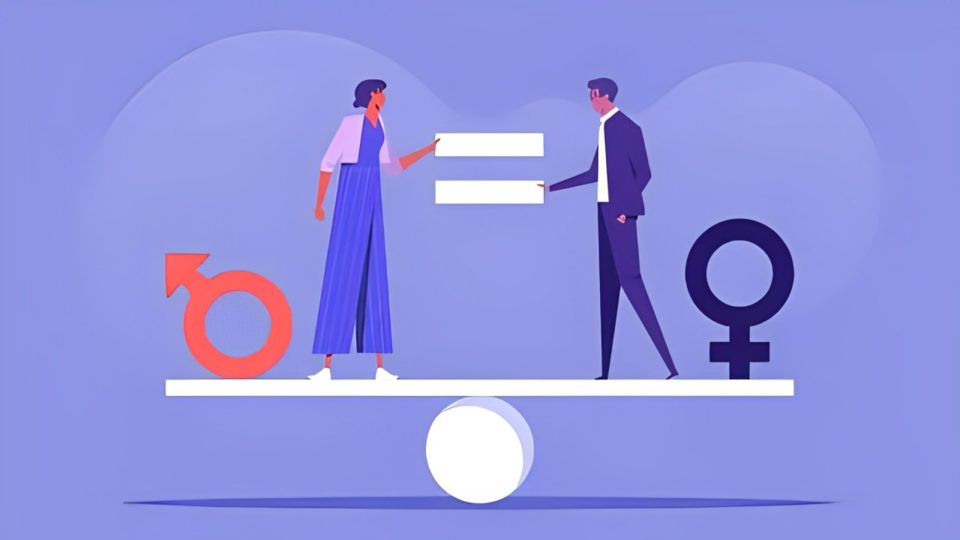
Benevolent sexism refers to attitudes that may appear positive or protective but ultimately reinforce traditional gender roles and inequality. It often manifests in the guise of chivalry, where men feel compelled to act as protectors or providers for women. While chivalry can seem like a respectful gesture, it can also perpetuate harmful stereotypes and undermine true gender equality.
Understanding Benevolent Sexism
At its core, benevolent sexism is rooted in the belief that women are weaker or more fragile than men and therefore need to be cared for or protected. This mindset can lead to seemingly harmless behaviors, such as offering a woman a seat or paying for her meal, which may reinforce the idea that women require assistance or special treatment simply because of their gender. While these actions are often intended as kind gestures, they can unintentionally convey a message of inferiority.
Benevolent sexism contrasts with hostile sexism, which includes overtly negative attitudes toward women, such as derogatory comments or blatant discrimination. Both forms of sexism contribute to the larger system of patriarchy that maintains gender inequality. However, benevolent sexism is often more insidious because it is often accepted and normalized within society.
The Impact on Gender Equality
Reinforcing Stereotypes: Benevolent sexism promotes the stereotype that women are nurturing and dependent, while men are strong and independent. This dichotomy can limit women’s opportunities and reinforce traditional gender roles, making it more challenging for them to pursue careers or assert themselves in leadership positions.
Undermining Autonomy: When men adopt a chivalrous attitude, they may unintentionally undermine a woman’s autonomy and decision-making capabilities. By positioning themselves as protectors, they may discourage women from expressing their needs or desires, reinforcing the idea that women need guidance rather than being capable of making their own choices.
Creating Unequal Power Dynamics: Chivalry often places men in a position of power and control, as they are seen as the providers or protectors. This can lead to imbalances in relationships where men dominate decision-making processes, further perpetuating gender inequality.
Masking Hostility: Benevolent sexism can also mask more hostile attitudes toward women. For example, men who believe they are being protective or respectful may simultaneously hold negative views about women’s capabilities or place limitations on their roles. This can lead to a toxic dynamic where women are praised for conforming to traditional gender roles while being criticized for attempting to break free from them.
Challenging Benevolent Sexism
To promote true gender equality, it is essential to challenge the assumptions underlying benevolent sexism and chivalry. Here are some strategies to foster a more equitable society:
Encourage Equality: Shift the focus from protective behaviors to equal partnerships. Encourage open communication and collaboration in relationships, where both partners are viewed as equals.
Promote Empowerment: Support women’s empowerment by encouraging them to pursue their ambitions, express their needs, and make their own choices without relying on the protection of men.
Raise Awareness: Educate individuals about the implications of benevolent sexism and how seemingly kind gestures can perpetuate harmful stereotypes. Create discussions about gender roles and the importance of equality in all aspects of life.
Challenge Gender Norms: Advocate for breaking down traditional gender norms that define roles based on sex. Encourage people to recognize that both men and women can be nurturing, strong, and independent.
Model Equality: Practice and model equal treatment in everyday interactions. Treat all individuals with respect and acknowledge their autonomy, regardless of gender.
Conclusion
While benevolent sexism may seem harmless or even beneficial on the surface, it ultimately threatens gender equality by reinforcing traditional roles and power dynamics. Recognizing and addressing these attitudes is crucial for creating a society where individuals are valued for their abilities and character, rather than their gender. By promoting true equality and challenging the norms associated with chivalry, we can work towards a more inclusive future where everyone has the opportunity to thrive.
