
AI Agents in 2026: Are They Replacing Human Workers?
Artificial intelligence is changing the way people work, communicate, and run businesses. What started with simple AI chatbots has developed into something much more powerful. Today, AI agents can research information, write reports, manage workflows, analyze data, and complete complex tasks with limited human involvement.
AI agents in 2026 are becoming one of the biggest developments in the technology industry. Companies are increasingly exploring how autonomous AI systems can reduce repetitive work, improve productivity, and lower operational costs.
But this development raises an important question: Are AI agents actually replacing human workers, or are they simply changing the way humans work?
From customer service representatives to software developers, many professionals are wondering how artificial intelligence will affect their careers. Let’s explore how AI agents work, which jobs could be affected, and what the future of employment might look like.
What Are AI Agents and How Do They Work?
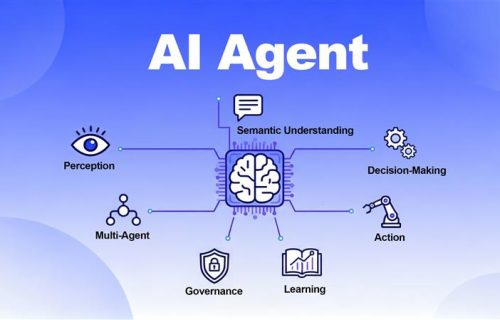
AI agents are intelligent software systems designed to understand instructions, make decisions, and perform tasks to achieve specific goals. Unlike traditional chatbots that mainly respond to questions, AI agents can take action and complete multiple steps independently.
For example, a traditional chatbot can help you write an email. An AI agent can potentially draft the email, identify the recipient, organize the information, and prepare it for sending.
How AI Agents Are Different from Traditional AI Tools
Traditional AI tools generally require users to provide instructions for individual tasks. AI agents can work toward a larger objective by breaking it into smaller steps.
Some important capabilities include:
- Task automation: Completing repetitive activities without constant human instructions.
- Decision-making: Selecting actions based on available information and predefined objectives.
- Research: Collecting and organizing information from different sources.
- Communication: Interacting with customers, employees, and other software systems.
- Workflow management: Connecting multiple applications to complete business processes.
This ability to perform connected tasks makes AI agents particularly useful for businesses.

Why AI Agents in 2026 Are Becoming So Popular
The growing interest in AI agents is not happening without a reason. Businesses are under pressure to improve productivity, reduce operating expenses, and deliver faster services.
AI agents in 2026 offer organizations an opportunity to automate activities that previously required hours of human effort.
1. Businesses Want Greater Productivity
Companies are increasingly using AI to handle repetitive activities such as data entry, scheduling, document preparation, and customer communication.
An AI agent can perform certain tasks continuously without requiring the same level of manual involvement. This allows employees to spend more time on planning, decision-making, and other important responsibilities.
2. AI Technology Is Becoming More Capable
Modern AI systems can understand complex instructions, work with documents, use external tools, and coordinate multiple tasks.
These improvements are making AI agents more practical for everyday business operations.
3. Automation Is Becoming More Accessible
Businesses no longer need to develop every automation system from scratch.
Platforms such as n8n, Zapier, and Microsoft Power Automate make it easier to connect applications and build automated workflows.
For more information, read our guide to n8n Alternatives: AI Automation Platforms.
Which Jobs Are Most at Risk From AI Agents?
Not every profession faces the same level of automation risk. Jobs involving repetitive, predictable, and rule-based activities are generally easier to automate than positions requiring complex human judgment.
AI agents in 2026 could significantly change several industries.
1. Customer Support Representatives
Customer support is one of the areas where AI automation is already making an impact.
AI agents can answer frequently asked questions, provide product information, process basic requests, and guide customers through common problems.
However, complicated complaints, emotional conversations, and unusual situations may still require human representatives.
2. Data Entry and Administrative Jobs
Administrative work often involves repetitive tasks that can be handled by automation.
AI agents can help with:
- Updating records and databases.
- Organizing digital documents.
- Processing information from forms.
- Preparing routine reports.
- Managing appointments and schedules.
These capabilities could reduce the need for manual work in certain administrative positions.
3. Content Writing and Digital Marketing
AI writing tools can generate blog drafts, social media captions, product descriptions, and marketing emails.
AI agents can also assist with keyword research, competitor analysis, and content planning.
However, professional content creation still requires originality, editorial judgment, brand understanding, and fact-checking. Human writers and marketers who understand how to use AI effectively may become more productive.
4. Basic Software Development
AI coding agents are becoming increasingly capable of writing code, identifying errors, explaining programming concepts, and assisting with software development.
Some routine programming activities may require less manual effort as these tools improve.
However, complex software architecture, security decisions, debugging unusual problems, and understanding business requirements still demand experienced developers.
5. Accounting and Financial Administration
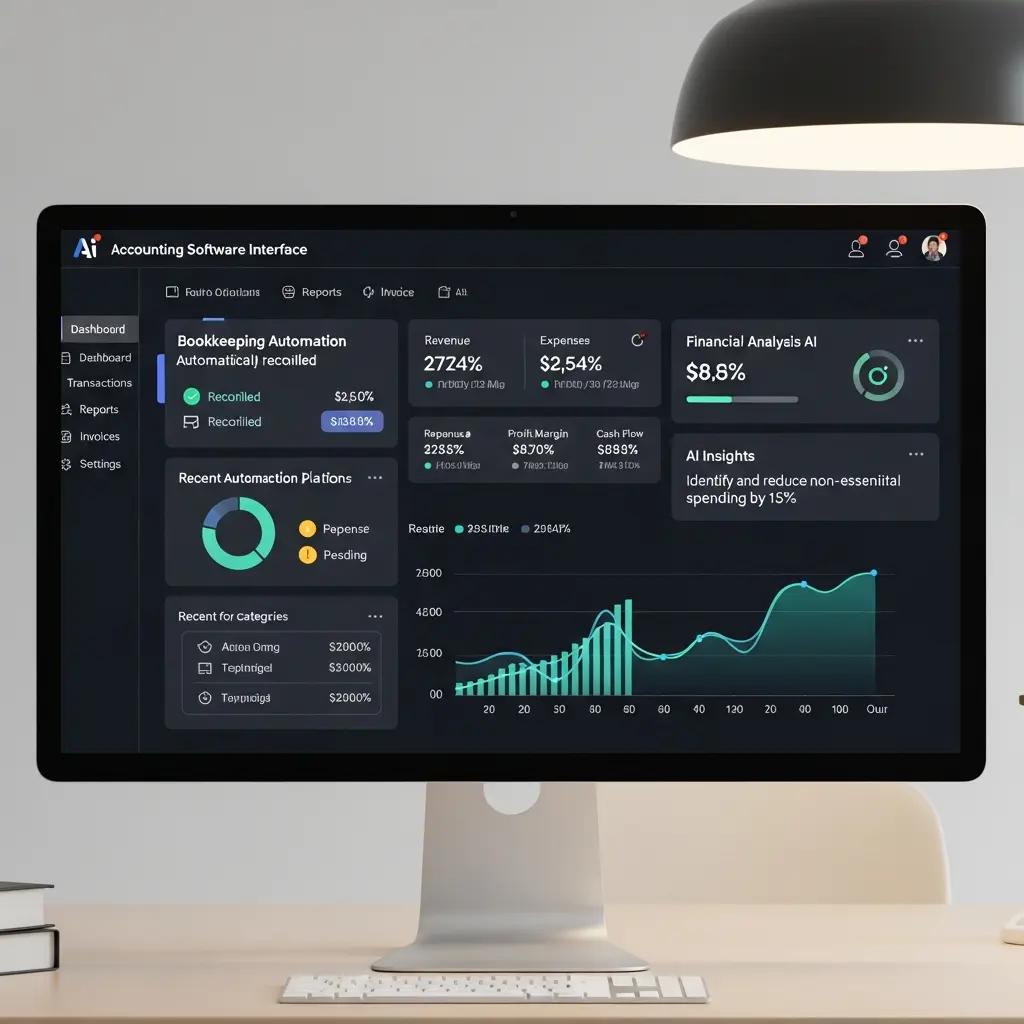
AI agents can assist with invoice processing, transaction categorization, financial reporting, and basic document verification.
However, financial strategy, auditing judgments, regulatory interpretation, and accountability still require qualified professionals.

Jobs That AI Agents May Struggle to Replace
Although AI agents can automate many activities, there are several areas where human abilities remain extremely important.
Healthcare Professionals
Doctors, nurses, and other healthcare professionals rely on clinical judgment, communication, and personal interaction.
AI can assist with medical documentation, information analysis, and administrative activities, but human professionals remain essential for patient care and responsible medical decisions.
Teachers and Educators
AI can help teachers prepare lessons, create learning materials, and explain difficult subjects.
However, teaching involves understanding students, encouraging motivation, managing classrooms, and adapting to individual learning needs.
Creative Professionals
Artists, designers, filmmakers, and creative directors bring personal experiences, cultural understanding, and original perspectives to their work.
AI can support creative production, but human direction remains important in developing meaningful ideas and making creative decisions.
Skilled Technical Workers
Electricians, plumbers, mechanics, and construction workers perform physical tasks in unpredictable environments.
Robotics and AI may automate certain activities, but replacing skilled workers completely remains difficult.
Are Companies Actually Replacing Employees With AI?
The shift toward AI-powered workplaces is no longer just a prediction. Organizations are actively investing in automation and exploring how AI agents can become part of their daily operations.
However, adopting AI does not automatically mean eliminating human employees.
According to The Adecco Group’s Global Workforce of the Future 2026 report, based on research involving 40,500 workers across 36 countries, nearly 74% of workers said they use AI agents at work.
The report also found that employees using well-integrated AI saved 20% more time per day than those experiencing lower levels of integration.
These findings suggest that AI is increasingly becoming a workplace productivity tool rather than simply a technology designed to replace people.
Why Some Companies May Reduce Their Workforce
There are several reasons businesses might reduce staffing in certain departments:
- Lower operational costs.
- Faster completion of repetitive activities.
- Reduced demand for manual data processing.
- Increased automation of customer interactions.
- Greater efficiency across business operations.
Some companies may need fewer employees to handle the same amount of work.
However, other organizations may use AI to expand their operations, develop new products, and create additional employment opportunities.

Will AI Agents Create New Jobs?
While AI agents may affect existing professions, they are also creating demand for new technical and business skills.
AI agents in 2026 are increasing the importance of professionals who can build, manage, monitor, and improve intelligent systems.
Some emerging career opportunities include:
AI Agent Developers
These professionals develop intelligent systems capable of completing tasks, interacting with applications, and managing automated workflows.
AI Automation Specialists
Automation specialists help businesses identify repetitive activities and build systems that reduce manual work.
AI Governance and Security Specialists
As companies depend more heavily on AI, they need professionals who can manage data privacy, security, compliance, and responsible AI usage.
AI Workflow Managers
These professionals coordinate human employees and AI systems to ensure that automated processes operate correctly and deliver reliable results.
The future job market may increasingly reward people who understand how to work alongside artificial intelligence.
How Can Workers Prepare for the AI Revolution?
The growing use of AI agents does not mean every employee needs to become a programmer. However, understanding AI technology and learning how to use it effectively can provide a significant advantage.
Here are some practical ways workers can prepare.
1. Learn to Use AI Tools
Explore AI platforms that can help with research, writing, data analysis, communication, and productivity.
Understanding how these tools work can help you complete everyday tasks more efficiently.
2. Develop Critical Thinking Skills
AI systems can generate incorrect information or make mistakes. Workers who can evaluate information, identify problems, and make informed decisions will remain valuable.
3. Improve Communication Skills
Human communication, negotiation, leadership, and collaboration are important abilities that cannot easily be replaced by automated systems.
4. Understand Automation
Learning how workflow automation works can help employees identify opportunities to improve business processes.
5. Continue Learning
Technology changes quickly. Workers who regularly update their knowledge and adapt to new tools will be better prepared for future workplace changes.
What Does the Future of Work Look Like?
The future workplace will likely involve closer collaboration between humans and intelligent AI systems.
Instead of assigning every task to a human employee, businesses may divide responsibilities between people and AI agents.
For example, a marketing department could use AI agents for research, keyword analysis, content organization, and reporting while human professionals focus on strategy, creativity, and final decisions.
Similarly, software companies may use AI coding agents to handle routine development tasks while experienced engineers manage architecture, security, and quality.
AI agents in 2026 represent an important step toward this new working environment.
However, successful implementation will depend on more than simply purchasing AI software. Businesses will need proper training, reliable data, security policies, and human oversight.
Final Verdict: Are AI Agents Replacing Human Workers?
AI agents are changing the employment landscape, but saying they will completely replace human workers would be an exaggeration.
Certain repetitive jobs and routine responsibilities are likely to face increasing automation. At the same time, new opportunities are emerging in AI development, automation, cybersecurity, and technology management.
The biggest change may not be the disappearance of human work but the transformation of how work gets done.
AI agents in 2026 are becoming powerful tools for businesses and professionals. Those who understand how to use them effectively may gain an advantage over those who ignore the technology.
The future may not belong to humans or AI alone. It may belong to people who know how to work with both.
Frequently Asked Questions (FAQs)
1. What are AI agents in 2026?
AI agents in 2026 are intelligent software systems that can understand objectives, make decisions, use digital tools, and complete tasks with varying levels of independence.
2. Will AI agents replace human workers?
AI agents may replace certain repetitive tasks and affect some jobs. However, many professions will continue to require human judgment, creativity, communication, and accountability.
3. Which jobs are most at risk from AI automation?
Data entry, basic customer support, routine administrative work, repetitive content production, and certain financial processing activities may face greater automation pressure.
4. Can AI agents work without human supervision?
Some AI agents can complete specific tasks independently, but human supervision remains important for accuracy, security, accountability, and complex decisions.
5. What skills will be important in the AI-powered workplace?
Critical thinking, communication, problem-solving, creativity, technical knowledge, and the ability to work with AI tools will be increasingly valuable.
6. Are AI agents good for small businesses?
Yes. AI agents can help small businesses automate customer communication, organize information, manage workflows, and improve productivity without requiring large teams.
Related Reading:
External Resource: The Adecco Group – Global Workforce of the Future 2026
