
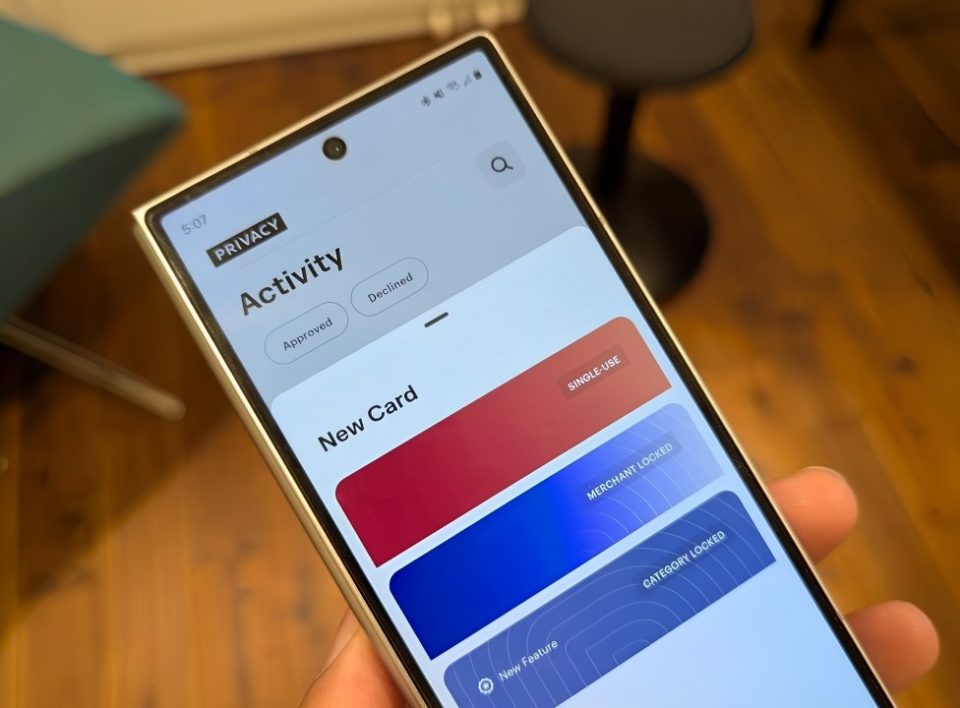
In an age where smartphones are often blamed for privacy invasions, data breaches, and constant surveillance, it’s easy to overlook the ways they can actually enhance our privacy. With the right tools and habits, a smartphone can be a powerful ally in protecting personal information. Contrary to popular belief, modern smartphones offer features that, when used correctly, can significantly improve security and privacy. Here are four ways my smartphone has actually improved my privacy.
Enhanced Data Encryption and Secure Messaging
One of the biggest advancements in smartphone privacy is the availability of end-to-end encryption. Many modern messaging apps like Signal, WhatsApp, and iMessage provide encryption, ensuring that only the sender and receiver can read the messages. This has dramatically improved my ability to communicate securely without worrying about eavesdroppers.
Additionally, smartphones now come with built-in encryption that protects stored data. Both Android and iOS devices encrypt user data by default, making it significantly harder for hackers or unauthorized users to access information if the phone is lost or stolen. This level of encryption was once only available to security professionals, but now it’s a standard feature for everyday users.
Stronger Authentication and Biometric Security
Gone are the days when a simple four-digit PIN was the primary way to protect a phone. Modern smartphones now offer fingerprint recognition, facial recognition, and advanced PIN/password protection. These features make it much harder for unauthorized individuals to access my personal data.
Additionally, two-factor authentication (2FA) apps such as Google Authenticator and Authy allow me to secure my online accounts beyond just passwords. By linking my smartphone to my online accounts, I can prevent unauthorized logins, even if my passwords are compromised.
Private Browsing and Tracking Protection
Smartphones have made it easier than ever to browse the internet with privacy-focused features. Brave, DuckDuckGo, and Firefox Focus are mobile browsers that prioritize privacy, blocking trackers and preventing third-party websites from collecting personal data.
Moreover, newer operating systems include app tracking transparency settings, allowing me to control which apps track my online behavior. Apple’s iOS, for instance, gives users the option to block apps from tracking their activities across different websites and apps, reducing targeted advertising and unwanted data collection.
Secure Digital Payments and Identity Protection
Carrying cash or using physical credit cards can pose risks such as theft or card skimming. Smartphones have introduced secure payment methods like Apple Pay, Google Pay, and Samsung Pay, which use tokenization to protect financial details. Instead of sharing my actual card number, these services generate unique transaction codes, reducing the risk of fraud.
Furthermore, using password managers and secure document storage apps on my phone has helped me protect sensitive information like IDs and passwords. With Face ID or fingerprint authentication, I can securely access my data without worrying about unauthorized users getting hold of my credentials.
Conclusion
While smartphones are often seen as a threat to personal privacy, they can actually serve as valuable tools for enhancing security when used correctly. From encrypted communication to biometric authentication, private browsing, and secure payments, modern smartphones offer features that significantly improve data protection. By leveraging these tools, I’ve found that my smartphone doesn’t just connect me to the world—it also helps me keep my personal information safe from prying eyes.
