
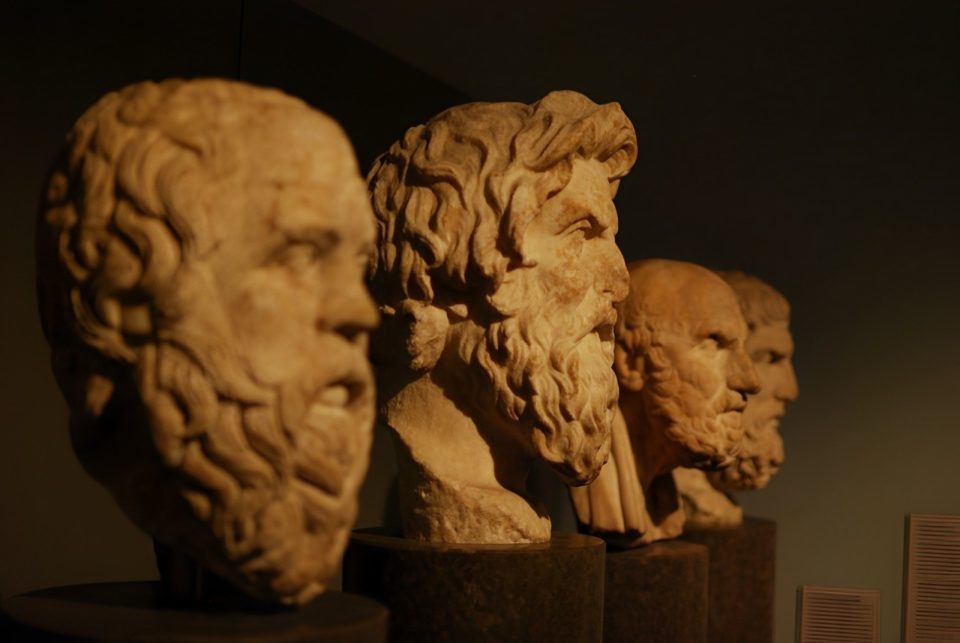
Philosophy is often seen as something complex, but many philosophers have shared life lessons that are simple yet profound. These lessons can help us navigate our lives, offering guidance on how to think, act, and live well. Here are 10 philosophers and the life lessons they taught:
1. Socrates: “Know Thyself”
Socrates, one of the most famous Greek philosophers, believed that knowing oneself is the key to wisdom. He encouraged people to question everything, including their own beliefs and actions. By understanding ourselves, our strengths, weaknesses, and motivations, we can make better decisions and live a more authentic life. This lesson teaches us the importance of self-reflection and honesty with ourselves.
2. Aristotle: “The Golden Mean”
Aristotle taught the concept of the “Golden Mean,” which is about finding balance in life. He believed that virtue lies between extremes. Courage, for instance, is the middle ground between acting without thought and being too afraid to act.This lesson reminds us not to go to extremes but to seek moderation in all aspects of life, whether it’s in our emotions, actions, or relationships.
3. Confucius: “Respect and Compassion”
Confucius, an ancient Chinese philosopher, emphasised the importance of respect, compassion, and kindness toward others. He taught that we should treat others as we want to be treated, a principle often called the “Golden Rule.” This lesson is about building good relationships through understanding and empathy, which are key to a harmonious society and personal happiness.
4. Epictetus: “Focus on What You Can Control”
Epictetus, a Stoic philosopher, taught that we should focus on what we can control and accept what we cannot. He believed that our reactions to events, not the events themselves, shape our lives. This lesson is about letting go of worries about things beyond our control and concentrating on our thoughts, actions, and attitudes, which we can change.
5. Rene Descartes: “I Think, Therefore I Am”
Rene Descartes, a French philosopher, is known for the statement “I think, therefore I am.” He taught that our ability to think is what makes us truly human. This lesson highlights the importance of critical thinking and questioning everything we encounter. It encourages us to trust our minds and use reason to understand the world.
6. Immanuel Kant: “Follow Universal Moral Laws”
Immanuel Kant believed in the importance of acting according to principles that can be applied universally. He taught that we should act in ways that we would want everyone else to act. This lesson is about moral integrity and making decisions that are fair and just, not just for ourselves but for everyone.
7. John Stuart Mill: ‘Strive to Maximise Happiness”
John Stuart Mill, a philosopher from the 19th century, promoted the idea of utilitarianism, which is about seeking the greatest happiness for the greatest number of people. He believed that actions should be judged based on their outcomes, and we should aim to create the most positive effects for the most people. This lesson encourages us to think about the consequences of our actions and strive to make the world a better place.
8. Friedrich Nietzsche: “Embrace Your Challenges”
Friedrich Nietzsche believed that challenges and difficulties in life make us stronger. He taught that we should embrace our struggles rather than avoid them because they help us grow and become more resilient. This lesson is about seeing obstacles as opportunities for personal development and not being afraid of life’s hardships.
9. Simone de Beauvoir: “Create Your Own Identity”
Simone de Beauvoir, a 20th-century philosopher and feminist, taught that we have the freedom to create our own identities. She believed that society often imposes roles on people, but it’s up to us to define who we are. This lesson is about self-empowerment and not letting others dictate our lives. It encourages us to break free from stereotypes and live according to our own values.
10. Albert Camus: “Find Meaning in the Absurd”
Albert Camus, a French philosopher, believed that life is inherently meaningless, but that doesn’t mean it’s not worth living. He taught that we should find our own meaning in life, even in the face of absurdity. This lesson is about resilience and the ability to create purpose for ourselves, despite life’s uncertainties and challenges.
Applying These Lessons in Everyday Life
These lessons from philosophers may seem simple, but they offer deep insights into how to live a better life. By knowing ourselves, finding balance, treating others with respect, and focusing on what we can control, we can navigate life’s complexities with more ease and understanding.
Each of these philosophers encourages us to think deeply about our actions, our purpose, and how we interact with the world. Their teachings remind us that life is not just about existing but about living thoughtfully and intentionally.
Final Thoughts
Philosophy doesn’t have to be something distant and hard to grasp. The life lessons from these philosophers are practical and can be applied to our daily lives. They teach us how to live with integrity, find happiness, and create meaning in our lives. By learning from these great thinkers, we can better understand ourselves and the world around us, leading to a more fulfilling and purposeful life.
