
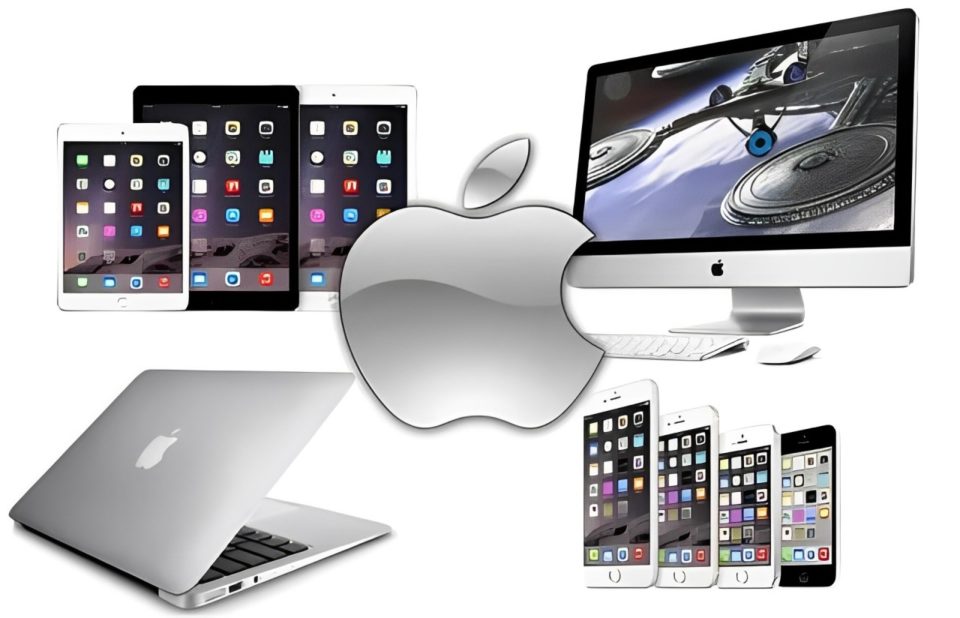
Apple Intelligence, often referred to as Apple’s suite of machine learning and artificial intelligence (AI) technologies, powers a range of features across the Apple ecosystem. From Siri and image recognition to predictive text and personalized suggestions, Apple Intelligence is deeply integrated into the user experience of various Apple devices. Here’s a comprehensive look at which Apple devices support these advanced capabilities and how they enhance your daily interactions with technology.
iPhone
Apple Intelligence plays a significant role in the iPhone, offering features that make everyday tasks easier and more intuitive. Some of the key AI-powered features on iPhones include:
Siri: Apple’s virtual assistant, Siri, uses machine learning to understand and respond to voice commands, provide personalized recommendations, and automate tasks.
Face ID: Leveraging advanced facial recognition technology, Face ID uses AI to securely unlock your device, authenticate apps, and make payments.
Photos App: The Photos app on iPhone uses AI for image recognition, allowing you to search for specific objects, people, or scenes within your photo library. It also organizes photos into Memories and suggests edits based on AI-driven insights.
Keyboard Predictions: The iPhone keyboard uses AI to predict your next word, suggest emojis, and correct spelling, improving typing speed and accuracy.
App Suggestions: Apple Intelligence learns your habits and suggests apps or actions based on your routine, making it easier to access what you need when you need it.
These features are available on all modern iPhones, from the iPhone 8 and newer, with the latest models offering the most advanced AI capabilities thanks to the A-series chips with integrated Neural Engines.
iPad
The iPad also benefits from Apple Intelligence, offering a similar set of AI-powered features as the iPhone:
Siri: Just like on the iPhone, Siri on the iPad provides voice assistance, smart suggestions, and automation capabilities.
Face ID: Available on iPad Pro models, Face ID uses AI for secure facial recognition.
Multitasking Suggestions: The iPad uses AI to suggest apps and workflows based on your usage patterns, making multitasking smoother and more efficient.
Apple Pencil Integration: For iPad models that support the Apple Pencil, AI helps with handwriting recognition, converting handwritten notes into text, and providing shape recognition in drawing apps.
The iPad models equipped with A12 Bionic chips and newer, particularly the iPad Pro with the M1 and M2 chips, have the most advanced AI capabilities.
Mac
Apple Intelligence on Mac devices enhances productivity and creativity, particularly with the introduction of Apple Silicon chips like the M1 and M2:
Siri: Siri on the Mac offers voice-activated assistance, allowing you to control your computer, search the web, set reminders, and more, all with AI-driven precision.
Photo and Video Editing: Apps like Photos and Final Cut Pro on Mac use AI for image recognition, auto-enhancing photos, and suggesting edits or filters. AI also aids in video editing, such as automatic scene detection and color grading.
Spotlight Search: The Spotlight feature on Mac uses AI to provide relevant search results from your files, apps, web, and more, based on your usage habits.
Universal Clipboard and Handoff: These features, which work across Apple devices, use AI to predict what content you might want to transfer between your Mac, iPhone, and iPad.
Mac devices running macOS Monterey and newer versions, especially those with Apple Silicon chips, offer the best integration of AI features.
Apple Watch
Apple Watch leverages Apple Intelligence to provide health insights, fitness tracking, and smart notifications:
Siri: Siri on the Apple Watch offers voice assistance for setting reminders, sending messages, and controlling smart home devices.
Activity and Health Tracking: The Apple Watch uses AI to analyze your daily activity, heart rate, and sleep patterns, providing personalized health insights and goals.
Handwashing Detection: An AI-powered feature that recognizes when you start washing your hands and provides a 20-second timer to ensure thorough cleaning.
Fall Detection and Emergency SOS: The watch uses AI to detect falls and can automatically call emergency services if you don’t respond within a certain timeframe.
These features are available across most Apple Watch models, with the latest versions, like the Apple Watch Series 7 and 8, offering the most advanced AI-driven health and fitness features.
Apple TV
Apple Intelligence enhances the Apple TV experience by providing smart recommendations and voice controls:
Siri Remote: The Siri Remote lets you search for content, control playback, and manage your smart home devices using voice commands powered by AI.
Content Recommendations: Apple TV uses AI to suggest movies, shows, and apps based on your viewing habits, creating a personalized entertainment experience.
Smart Home Integration: With Apple Intelligence, Apple TV can act as a hub for HomeKit, automating your smart home devices based on AI-driven insights.
The Apple TV 4K and Apple TV HD models support these AI features, with the latest Apple TV 4K offering the most seamless experience.
Conclusion
Apple Intelligence is deeply embedded in the ecosystem of Apple devices, enhancing functionality and providing users with a more intuitive, personalized experience. From the iPhone to the Mac, and even the Apple Watch and Apple TV, AI and machine learning technologies work behind the scenes to make interactions smoother, smarter, and more efficient. As Apple continues to innovate, the integration of AI across its devices is set to become even more powerful, offering users new ways to connect, create, and explore.
