
As we age, it’s common to notice new sounds emanating from our joints, particularly the knees. These noises, which can range from popping and cracking to grinding, are often a cause for concern. However, understanding why our knees make these sounds can help alleviate worry and inform us about when to seek medical attention. Here’s a detailed exploration of why your knees crack as you get older.
1. The Anatomy of a Knee Joint
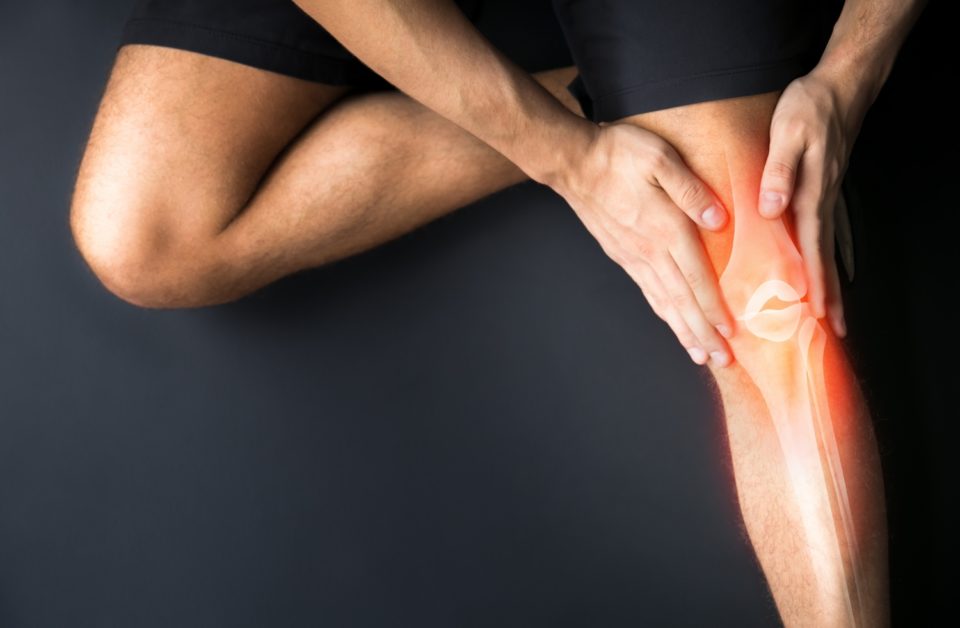
To understand why knees crack, it’s helpful to know a bit about the anatomy of the knee. The knee is a complex joint involving bones, cartilage, ligaments, and tendons. The main components are:
Bones: The femur (thigh bone), tibia (shin bone), and patella (kneecap).
Cartilage: This smooth tissue covers the ends of the bones, allowing them to glide over each other.
Synovial Fluid: This lubricating fluid within the joint reduces friction and aids in smooth movement.
Ligaments and Tendons: These connective tissues stabilize and move the joint.
2. Common Causes of Knee Cracking
Several factors contribute to the cracking noises in the knees, especially as we age.
Gas Bubbles
One of the most benign reasons for joint noises is the formation of gas bubbles in the synovial fluid. When these bubbles burst, they create a popping or cracking sound.
Process: As you move your knee, the pressure changes within the joint, causing these gas bubbles to form and collapse.
Symptoms: These sounds are usually painless and occur sporadically.
Cartilage Wear and Tear
Cartilage deterioration is a common issue with aging, known as osteoarthritis.
Process: As the cartilage wears down, the bones may rub against each other, causing a grinding noise known as crepitus.
Symptoms: This may be accompanied by pain, stiffness, and reduced mobility.
Ligament and Tendon Movement
Tendons and ligaments can produce snapping sounds as they move over the bones.
Process: When a tendon or ligament snaps back into place after being slightly displaced, it can create a popping noise.
Symptoms: These noises are typically painless and can occur with certain movements, like standing up quickly or bending the knee.
Meniscus Tears
The meniscus is a piece of cartilage that acts as a cushion between the femur and tibia. Tears in the meniscus can occur due to injury or degeneration over time.
Process: A torn meniscus can cause clicking or popping sounds when you move your knee.
Symptoms: This is often accompanied by pain, swelling, and difficulty in moving the knee fully.
3. When to Seek Medical Attention
While most joint noises are harmless, certain signs indicate that it might be time to see a doctor.
Persistent Pain: If the cracking is accompanied by chronic pain, it could indicate an underlying condition such as arthritis or a meniscus tear.
Swelling: Swelling or inflammation around the joint suggests there might be an injury or degenerative condition.
Limited Mobility: Difficulty moving the knee or a feeling of instability warrants medical evaluation.
Changes in Noise: A sudden change in the type or frequency of the noise, especially if paired with discomfort, should be checked by a healthcare professional.
4. Preventative Measures and Treatments
There are several ways to manage and reduce knee noises and the discomfort associated with them.
Strengthening Exercises
Building the muscles around the knee can help stabilize the joint and reduce the risk of injury.
Quadriceps and Hamstring Exercises: Strengthening these muscles supports the knee joint.
Low-Impact Activities: Activities like swimming and cycling are gentle on the knees while promoting muscle strength and joint flexibility.
Weight Management
Maintaining a healthy weight reduces the strain on your knee joints, potentially decreasing wear and tear.
Proper Footwear
Wearing supportive shoes can help distribute pressure more evenly across your knees.
Joint Supplements
Some people find relief from joint noises and discomfort by taking supplements such as glucosamine and chondroitin, which may support joint health.
Medical Treatments
In more severe cases, medical intervention might be necessary.
Physical Therapy: A physical therapist can provide exercises and treatments to improve knee function.
Medications: Anti-inflammatory drugs can reduce pain and swelling.
Surgery: In cases of significant joint damage or injury, surgical options like arthroscopy or knee replacement might be considered.
Conclusion
Knee cracking is a common phenomenon that often increases with age due to various factors like gas bubbles, cartilage wear, and tendon movements. While these sounds are usually harmless, persistent pain, swelling, or mobility issues should prompt a visit to a healthcare professional. By understanding the reasons behind joint noises and taking proactive steps to care for your knees, you can maintain better joint health and function as you age.
