
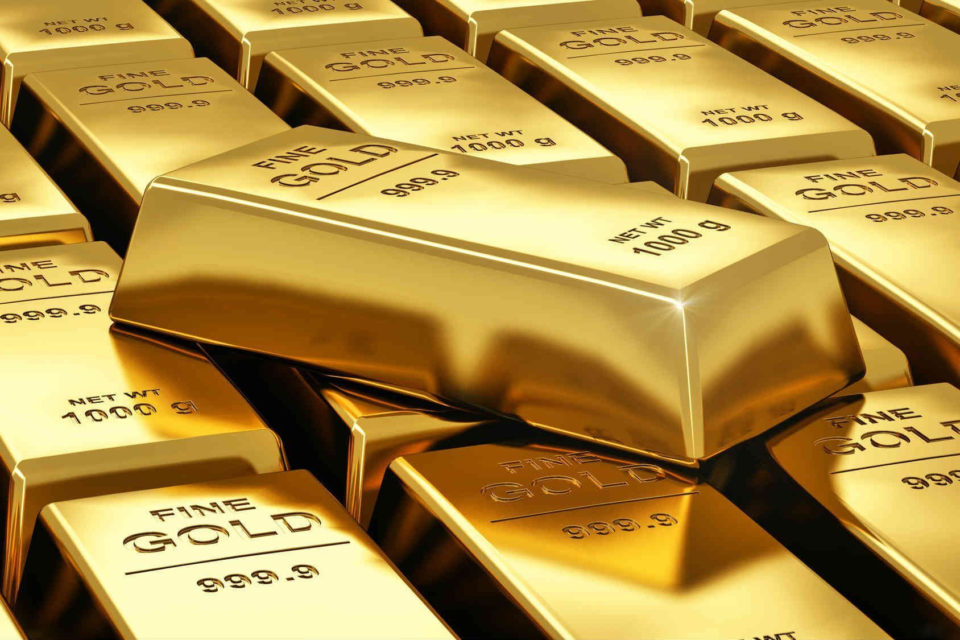
Countries around the world hold large amounts of gold as part of their national reserves to safeguard their economies. These gold reserves serve as a financial cushion, offering security during times of economic uncertainty. Here are the top 10 countries with the largest gold reserves, showcasing the global importance of this precious metal.
1. United States
The United States holds the largest gold reserves in the world, with over 8,000 metric tons of gold. This massive amount of gold represents a significant portion of the country’s total reserves. The majority of this gold is stored in the famous Fort Knox, a heavily guarded facility in Kentucky. The U.S. has maintained its position as the top holder of gold reserves for many years, reflecting its strong financial position on the global stage.
2. Germany
Germany comes in second, with approximately 3,300 metric tons of gold in its reserves. The country’s gold is mainly stored in three locations: Frankfurt, New York, and London. Germany began repatriating some of its gold reserves from foreign locations back to its own vaults a few years ago, highlighting the importance of gold in maintaining economic stability.
3. Italy
Italy ranks third in the world with gold reserves totaling around 2,450 metric tons. Despite its economic challenges in recent years, Italy has retained a large portion of its wealth in gold. The Italian government values gold as a key part of its economic security, helping to stabilize the country’s finances during tough times.
4. France
France holds close to 2,440 metric tons of gold, making it the fourth-largest holder of gold reserves. France has a long history of valuing gold as a reliable store of wealth. The French central bank, Banque de France, manages the country’s gold reserves, ensuring they are well-protected and available if needed for economic support.
5. Russia
Russia has been rapidly increasing its gold reserves over the past decade and now holds about 2,300 metric tons. This strategy is part of Russia’s effort to reduce its reliance on the U.S. dollar and strengthen its national currency, the ruble. Russia’s central bank buys gold from domestic producers, which helps support the country’s gold mining industry as well.
6. China
China ranks sixth globally, with gold reserves of approximately 2,000 metric tons. As the world’s largest gold producer, China has been steadily increasing its gold holdings to diversify its foreign reserves. This accumulation of gold is part of China’s broader strategy to assert its economic influence on the global stage.
7. Switzerland
Switzerland, known for its strong financial system, holds about 1,040 metric tons of gold. Despite being a small country, Switzerland has a significant amount of gold due to its role as a major financial hub. The Swiss National Bank manages these reserves, which are considered a key part of the country’s economic security.
8. Japan
Japan holds around 765 metric tons of gold, placing it eighth on the list. Japan’s gold reserves are an essential part of the country’s economic strategy, helping to stabilise the yen and provide financial security. The Bank of Japan oversees the country’s gold reserves, ensuring they are managed effectively.
9. India
India ranks ninth globally, with about 658 metric tons of gold in its reserves. Gold holds cultural and economic significance in India, making it a popular asset both for the government and private citizens. The Reserve Bank of India manages the country’s gold reserves, which play a crucial role in maintaining economic stability.
10. Netherlands
The Netherlands rounds out the top 10, with approximately 612 metric tons of gold reserves. The Dutch central bank, De Nederlandsche Bank, oversees these reserves, which are primarily stored in Amsterdam, as well as in New York, Ottawa, and London. The Netherlands has repatriated a portion of its gold from foreign vaults, reflecting the growing trend of countries wanting to keep their gold closer to home.
Conclusion
Gold remains a critical asset for countries around the world, providing financial security and stability. These top 10 countries with the largest gold reserves demonstrate the continued importance of gold in the global economy. As economic conditions fluctuate, the role of gold as a safe haven and a store of value continues to be essential for maintaining national wealth and stability.
