
Nestled in the rugged Outer Hebrides of Scotland, the Isle of Lewis offers a journey back in time to a land rich in history, culture, and natural beauty. With its ancient standing stones, remote villages, and dramatic landscapes, Lewis is a place where the past feels vividly present. Whether you’re a history buff, nature lover, or simply seeking a retreat from the modern world, the Isle of Lewis invites you to explore its timeless charm.
The Callanish Standing Stones: Scotland’s Stonehenge
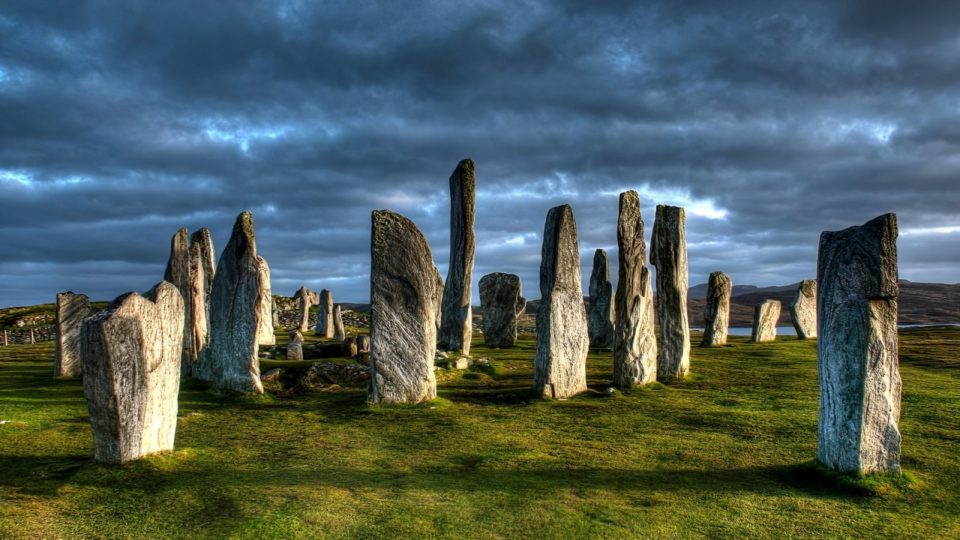
One of the most iconic and mysterious sites on the Isle of Lewis is the Callanish Standing Stones. This ancient stone circle, older than Stonehenge, dates back to around 3000 BCE. The arrangement of these stones in a cross-shaped pattern has intrigued historians and archaeologists for centuries. The true purpose of the Callanish Stones remains a mystery, with theories ranging from astronomical observatories to places of ritual worship.
Standing among these towering stones, with the wind sweeping across the moorland, you can’t help but feel a deep connection to the people who erected them thousands of years ago. Visiting the stones at sunrise or sunset, when the light casts long shadows across the landscape, adds to the ethereal experience of this ancient site.
Gearrannan Blackhouse Village: A Glimpse Into the Past
For a more tangible encounter with the island’s history, a visit to the Gearrannan Blackhouse Village is a must. This restored crofting village offers a window into traditional island life as it was lived until the mid-20th century. The blackhouses, with their thick stone walls and thatched roofs, were home to generations of islanders who lived in harmony with the harsh environment.
Today, the village functions as a living museum, where you can explore the interiors of the blackhouses, see demonstrations of traditional crafts, and learn about the island’s crofting heritage. Staying overnight in one of the blackhouses offers an immersive experience, allowing you to feel what life was like in this remote corner of Scotland before the advent of modern conveniences.
The Lewis Chessmen: Medieval Masterpieces
The Isle of Lewis is also famous for the discovery of the Lewis Chessmen, a set of intricately carved chess pieces dating back to the 12th century. These remarkable artifacts, made from walrus ivory, were discovered in a sand dune on the island in the 19th century. The chessmen are a testament to the island’s historical connections to the wider world, particularly the Norse influence that once dominated the region.
A visit to the Uig Sands, where the chessmen were found, offers a chance to walk in the footsteps of history. The sands, with their sweeping views and sense of isolation, provide a striking contrast to the intricate craftsmanship of the chessmen, reminding visitors of the island’s unique blend of artistry and remoteness.
The Natural Beauty of Lewis: A Landscape Frozen in Time
Beyond its historical sites, the Isle of Lewis is a place of extraordinary natural beauty. The island’s rugged coastline, with its dramatic cliffs and hidden beaches, offers endless opportunities for exploration. The Butt of Lewis, the northernmost point of the island, is particularly striking, with its towering lighthouse and crashing waves.
Inland, the island is dotted with lochs, peat bogs, and heather-covered moorlands, creating a landscape that feels untouched by time. The ever-changing weather adds to the island’s mystique, with moments of sunshine breaking through the clouds to illuminate the landscape in a way that feels almost magical.
Wildlife enthusiasts will also find much to admire on Lewis, with the chance to spot otters, seals, and a variety of bird species, including golden eagles. The island’s remote location means that much of its wildlife thrives in habitats that remain largely undisturbed.
The Culture of Lewis: Gaelic Heritage and Modern Life
The culture of the Isle of Lewis is deeply rooted in its Gaelic heritage. The island is one of the few places in Scotland where Gaelic is still spoken as a community language, and the traditions of Gaelic music, storytelling, and dance are very much alive.
Visitors can experience this cultural richness through local festivals, ceilidhs (traditional gatherings), and visits to the island’s museums and cultural centers. The Hebridean Celtic Festival, held annually in the nearby town of Stornoway, is a highlight of the island’s cultural calendar, showcasing traditional and contemporary Celtic music.
While the Isle of Lewis is steeped in history, it is also a place where modern life continues to thrive, with a strong sense of community and a commitment to preserving the island’s unique way of life.
Conclusion
The Isle of Lewis is more than just a remote Scottish island—it’s a portal to the past, offering a rare opportunity to experience history, culture, and nature in their purest forms. Whether you’re standing among the ancient Callanish Stones, exploring the blackhouses of Gearrannan, or simply soaking in the island’s rugged beauty, a visit to Lewis is a journey through time that will leave you with lasting memories and a deeper appreciation for the enduring spirit of this remarkable place.
