
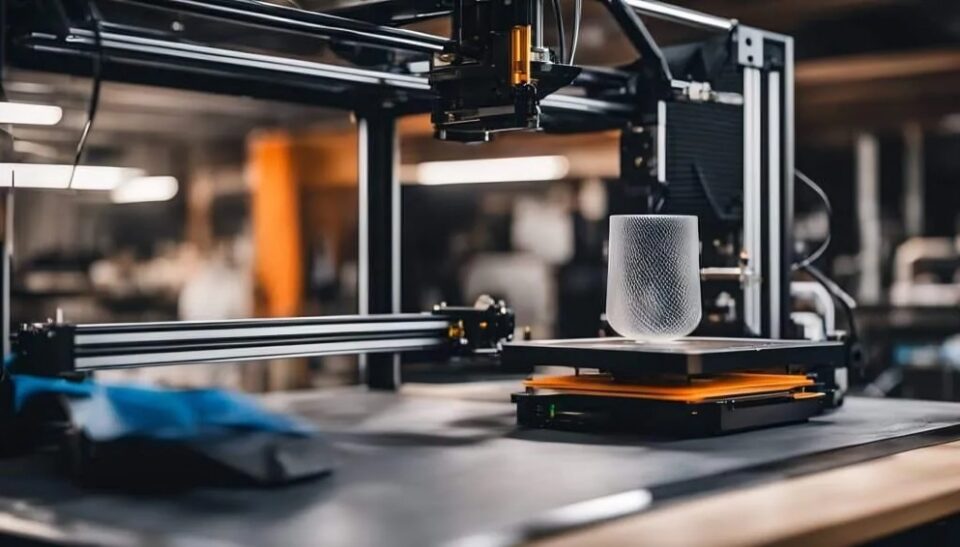
3D printing has come a long way in the past decade, evolving from an expensive hobbyist pursuit to an accessible tool for makers, engineers, and artists alike. With every new release, manufacturers promise faster speeds, better accuracy, and seamless user experiences. When I got my hands on this particular 3D printer, I was excited—on paper, it had everything I wanted: high resolution, intuitive setup, and a competitive price. But as I soon discovered, the journey from unboxing to actually printing was anything but smooth.
The Hype: Why This 3D Printer Seemed Perfect
From the outset, this printer had all the right specs:
High-resolution prints rivaling professional-grade machines.
Auto bed-leveling to make calibration a breeze.
A large build volume to accommodate ambitious projects.
User-friendly touchscreen interface that promised easy navigation.
Ultra-fast print speeds compared to older models.
With such a promising feature set, I was eager to test its capabilities. The unboxing experience was smooth, and the build quality felt solid—this was shaping up to be the perfect addition to my workshop.
The Reality: When Patience Wears Thin
As I started setting up the printer, the first warning signs emerged:
The Setup Was Not as Easy as Advertised
Despite the manufacturer’s claim of a “plug-and-play” experience, getting the machine ready took significantly longer than expected. The assembly was finicky, and the auto bed-leveling—one of its biggest selling points—didn’t work consistently, forcing me to manually adjust the bed multiple times before achieving an even surface.
Software Issues and Connectivity Headaches
The printer came with proprietary slicing software that was supposed to streamline the printing process, but instead, it was riddled with glitches. Files wouldn’t load properly, and Wi-Fi connectivity was unreliable, often disconnecting in the middle of a print job. After multiple failed attempts, I resorted to using third-party software just to get things running.
Frequent Print Failures
Even after getting past the initial setup issues, print failures became a recurring nightmare. Some common problems included:
Warping and adhesion issues despite using recommended print settings.
Filament jams that required frequent disassembly to fix.
Inconsistent layer adhesion, leading to weak, fragile prints.
Each time a print failed, it felt like I was back at square one, tweaking settings and troubleshooting problems instead of actually enjoying the creative process.
Noisy Operation
Another unexpected downside was the noise. The motors and fans were significantly louder than anticipated, making it nearly impossible to work in the same room while the printer was running. This was a far cry from the “whisper-quiet” operation that had been advertised.
Customer Support: A Waiting Game
Hoping to resolve some of the persistent issues, I reached out to customer support. Unfortunately, responses were slow, and solutions were generic troubleshooting tips that I had already tried. The lack of responsive support only added to the frustration.
Conclusion
This 3D printer had so much potential—it was almost the perfect device. The hardware was solid, and when it did work, the print quality was impressive. But the constant setbacks, software frustrations, and unreliable performance made it more of a patience-testing machine than a dream come true.
Would I recommend it? If you’re someone who enjoys tinkering and troubleshooting, you might find satisfaction in overcoming its quirks. But for anyone expecting a seamless 3D printing experience, this might not be the ideal choice. In the end, a great 3D printer isn’t just about specs—it’s about reliability, ease of use, and the ability to bring ideas to life without unnecessary headaches. This one, unfortunately, missed the mark.
