
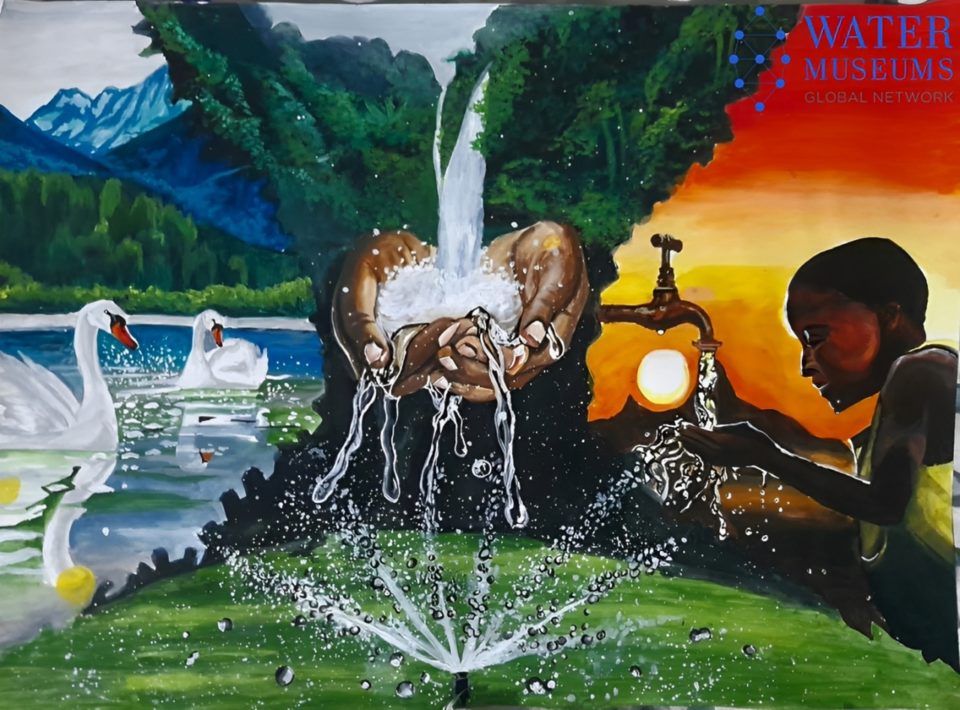
Water is the essence of life. It carves through mountains, nourishes civilizations, and carries within it the stories of survival and renewal. Yet, water is also heavy—both in its physical form and in the metaphors it inspires. The weight of water is more than just its mass; it represents burdens, resilience, and the cyclical nature of existence.
The Duality of Water: Destruction and Creation
Water has long been a symbol of both life and destruction. Ancient civilizations flourished along rivers, their prosperity tied to the rise and fall of the tides. The Nile sustained Egypt, the Ganges nurtured India, and the Amazon breathed life into South America’s vast rainforest. Yet, these same waters have the power to destroy—through floods, hurricanes, and tsunamis, they remind us of nature’s force. The weight of water, in this sense, is the duality it holds: the power to give and take, to create and dismantle.
Survival: The Human Relationship with Water
The human body itself is composed of approximately 60% water. It sustains us, yet its absence can be fatal. Throughout history, survival has often depended on access to clean water. Communities have migrated in search of it, wars have been fought over it, and in modern times, millions still struggle for access to safe drinking water. The weight of water here is literal—it is carried on the backs of those who must walk miles to fetch it, it burdens economies striving to provide sustainable solutions, and it presses upon those who suffer the consequences of scarcity.
Yet, water also embodies endurance. Consider the traveler in the desert, cherishing each sip, or the mountaineer melting snow to drink. It teaches us about perseverance and adaptation, about how humanity finds a way to endure even in the most challenging environments.
Water as a Symbol of Renewal
Just as water can devastate, it also cleanses and restores. Rain washes away the dust of drought, rivers renew landscapes, and the ocean tides refresh the shores. In many cultures, water is synonymous with rebirth—rituals of baptism, purification ceremonies, and the idea of being “washed clean” all tie into its transformative nature.
Even on a personal level, water holds power over our emotions. A walk by the ocean soothes a troubled mind, the rhythmic sound of rain fosters introspection, and a deep dive into a cool lake can feel like emerging anew. The weight of water, in this sense, is its ability to cleanse not only the body but also the soul.
The Responsibility of Carrying Water Forward
As climate change threatens global water supplies and pollution contaminates once-pristine sources, we are faced with a new kind of weight: responsibility. The burden now rests on our generation to protect and sustain this invaluable resource. Whether through conservation, innovation, or policy changes, humanity must recognize the critical role water plays in our collective future.
The weight of water is a paradox—it sustains yet drowns, it cleanses yet erodes, it is abundant yet scarce. Understanding its importance means embracing this complexity. It reminds us of our fragility, our resilience, and our connection to the greater cycles of life.
Conclusion
To carry water is to carry life. It is to acknowledge both the burdens we bear and the renewal that comes with embracing its lessons. Like water, we must learn to adapt, to persist, and to flow through the challenges that come our way. The weight of water is not just about survival; it is about recognizing our place within its ever-moving current and choosing to move forward with wisdom, gratitude, and responsibility.
