
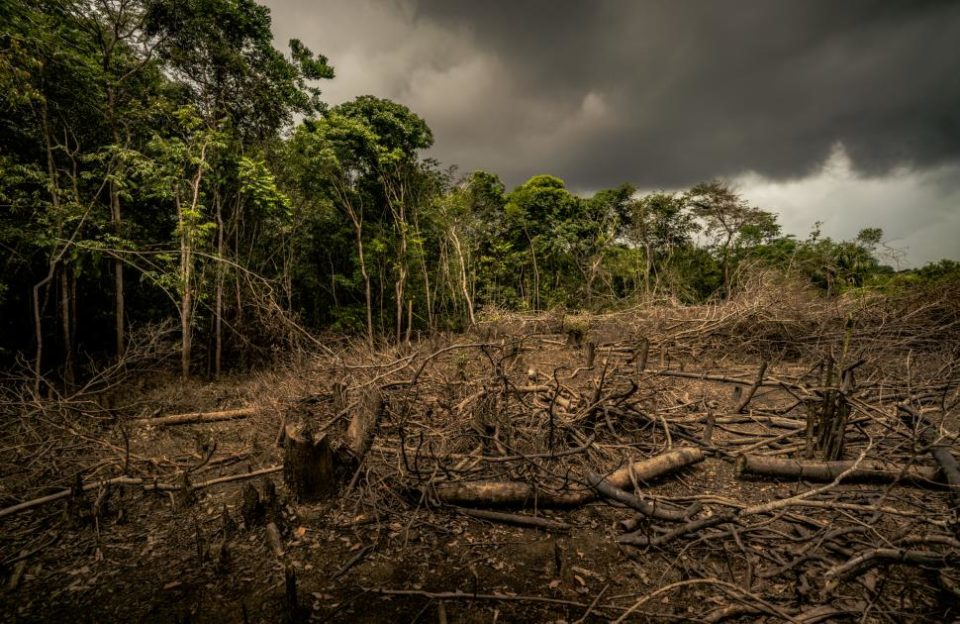
When we think about Amazon deforestation, we might picture massive chainsaws, large agricultural farms, or illegal logging operations. While these are certainly major factors, there is one surprising driver of Amazon deforestation that doesn’t always get the spotlight. In this article, we will explore this unexpected factor and how it contributes to the loss of one of the world’s most important rainforests.
What is Amazon Deforestation?
Amazon deforestation refers to the process of clearing or cutting down trees in the Amazon Rainforest. This is done for various reasons, including creating farmland, building infrastructure, and mining. The Amazon Rainforest, often called the “lungs of the Earth,” plays a crucial role in absorbing carbon dioxide and producing oxygen. It is home to millions of species of plants, animals, and insects, many of which are found nowhere else on the planet.
Deforestation in the Amazon is a significant environmental issue because it leads to the loss of biodiversity, contributes to climate change, and affects local and global weather patterns.
The Usual Suspects of Deforestation
Before we dive into the unexpected factor, it’s important to recognize the common causes of Amazon deforestation. These include:
Agriculture: Large areas of the forest are cleared to grow crops like soybeans or to make room for cattle ranching.
Logging: Trees are cut down for timber and paper products.
Mining: The rainforest is stripped away to extract minerals and other resources.
Infrastructure Development: Roads, buildings, and other construction projects lead to deforestation.
These activities are often driven by economic interests, both local and global. While these causes are well-known, there’s another surprising factor that contributes to deforestation in the Amazon.
The Unexpected Factor: Global Commodity Demand
One of the most surprising drivers of Amazon deforestation is global commodity demand. This factor is not as visible as deforestation caused by agriculture or logging, but it plays a huge role in the destruction of the rainforest. Let’s break it down:
1. How Global Commodity Demand Works
Global commodity demand refers to the high demand for certain products around the world. These products can include things like soybeans, beef, and palm oil. Companies grow or produce these commodities in large quantities to meet the needs of consumers in different countries.
When there is a high demand for these commodities, it can lead to more deforestation in the Amazon. For example, if there is a big demand for soybeans, farmers might clear more forest to grow soybeans. Similarly, if there is a strong market for beef, ranchers might cut down trees to create more pasture land for cattle.
2. The Connection Between Commodities and Deforestation
The connection between global commodity demand and deforestation is complex. Here’s how it generally works:
- High Demand: When people around the world want more products like soybeans or beef, companies work to increase production.
- Expansion: To produce more, companies may need more land. In the Amazon, this often means clearing forests.
- Supply Chains: The products from Amazon are sold in international markets. So, the demand in other countries can directly lead to deforestation in the rainforest.
3. Examples of Commodity-Driven Deforestation
Several examples highlight how global commodity demand drives Amazon deforestation:
Soybeans: Brazil is a leading global producer of soybeansMuch of the land used for soybean farms comes from cleared Amazon rainforest.
Beef: The Amazon is also used for cattle ranching. As global demand for beef increases, more forest is cleared to make space for cattle.
Palm Oil: Though not as prevalent in the Amazon as in other regions, the global demand for palm oil leads to deforestation in other rainforests, which can indirectly impact the Amazon.
4. The Impact of Commodity Demand
The impact of global commodity demand on the Amazon is significant:
Increased Deforestation: More land is cleared for growing crops or raising cattle.
Loss of Biodiversity: Animals and plants lose their natural habitats as forests are destroyed.
Climate Change: The Amazon stores large amounts of carbon dioxide. When trees are cut down, this carbon is released into the atmosphere, contributing to global warming.
Disruption of Ecosystems: Deforestation affects the delicate balance of the Amazon’s ecosystems, impacting everything from soil quality to rainfall patterns.
Addressing the Unexpected Factor
To combat the surprising driver of deforestation caused by global commodity demand, several steps can be taken:
1. Sustainable Practices
Supporting and promoting sustainable practices is crucial. For example:
Sustainable Agriculture: Choosing products grown with minimal environmental impact.
Ethical Beef Consumption: Supporting companies that practise responsible cattle ranching.
Certification Labels: Looking for products with certifications like Rainforest Alliance or Fair Trade.
2. Consumer Awareness
Educating consumers about the connection between their choices and deforestation can lead to more environmentally-friendly decisions. This includes being aware of where products come from and their environmental impact.
3. Policy and Legislation
Governments and international organisations can play a role by:
Enforcing Laws: Creating and enforcing laws that protect the Amazon from illegal deforestation.
Supporting Conservation Efforts: Funding and supporting programs aimed at preserving the rainforest.
4. Corporate Responsibility
Companies can take responsibility by:
Reducing Their Carbon Footprint: Finding ways to produce commodities with less environmental impact.
Transparent Supply Chains: Ensuring that their supply chains do not contribute to deforestation.
Conclusion
While we often focus on immediate, visible causes of Amazon deforestation like logging and agriculture, global commodity demand is a significant and sometimes overlooked driver. By understanding how high demand for products like soybeans, beef, and palm oil contributes to deforestation, we can take steps to address this issue from a global perspective.
Addressing this unexpected factor involves a combination of sustainable practices, consumer awareness, effective policies, and corporate responsibility. By working together on these fronts, we can help protect the Amazon Rainforest and ensure its health for future generations.
