
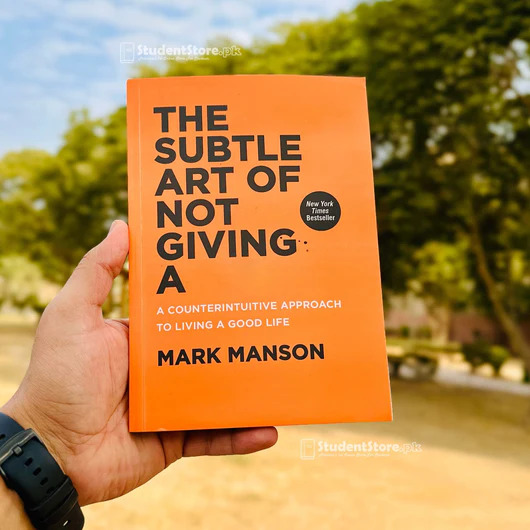
In a world that constantly pushes us to hustle, strive, and exert ourselves to the fullest, the idea of “not trying” may seem counterintuitive. However, there is a profound wisdom in learning the art of letting go, embracing effortlessness, and allowing things to unfold naturally. The subtle art of not trying is not about laziness or passivity but rather about aligning oneself with the natural flow of life, conserving energy, and achieving more by doing less.
The Paradox of Effort
One of the great paradoxes of life is that the more we try to force something, the harder it becomes to attain. Whether it’s success, happiness, creativity, or even love, overexertion can lead to frustration and burnout. This idea is deeply rooted in ancient Eastern philosophies such as Taoism, which teaches the principle of “Wu Wei”—often translated as “effortless action” or “non-doing.” The essence of Wu Wei is not about inaction but rather about taking action in a way that is in harmony with nature, without force or struggle.
Letting Go of Control
We are often conditioned to believe that we must constantly control everything in our lives—our careers, relationships, and personal growth. However, true mastery comes from knowing when to step back and allow things to happen. When we loosen our grip on life and trust the process, we create space for opportunities to arise naturally. Learning to surrender does not mean giving up; it means accepting that not everything is within our control and that sometimes the best outcomes come from allowing events to unfold organically.
The Role of Presence and Mindfulness
Not trying does not mean being indifferent; rather, it means being present and engaged without unnecessary tension. When we become fully present in each moment, we remove the mental resistance that often accompanies effort. Practicing mindfulness, meditation, or simply engaging in activities with a sense of ease can help cultivate this state of being. The less we resist, the more we flow with life, and paradoxically, the more we achieve without unnecessary struggle.
Creativity and the Power of Doing Less
Some of the greatest creative breakthroughs occur when we stop trying so hard. Writers, artists, and musicians often speak about moments of inspiration that come when they are relaxed rather than straining for ideas. The brain operates optimally when it is at ease, allowing insights and innovation to emerge naturally. Taking breaks, resting, and even allowing boredom can lead to more creative and productive outcomes than relentless effort ever could.
Relationships and the Beauty of Effortlessness
In relationships, whether romantic, familial, or friendships, trying too hard can create tension. Desperation or excessive effort to impress, control, or maintain connections can push people away. Authentic relationships thrive when they are built on ease, trust, and natural connection rather than force or manipulation. By embracing the art of not trying, we allow relationships to flourish without pressure.
Success Through Flow
Many successful individuals have discovered that the key to achievement is not excessive effort but working smartly and in alignment with one’s strengths. The concept of “flow,” introduced by psychologist Mihaly Csikszentmihalyi, describes a state of deep engagement where work feels effortless yet highly productive. People in flow are not forcing themselves; they are simply immersed in the task with a sense of ease and enjoyment. Learning to work with our natural inclinations rather than against them can lead to greater fulfillment and success.
Conclusion
The subtle art of not trying is not about abandoning ambition or effort, but about shifting our approach to life. It is about recognizing when to act and when to allow, when to push forward and when to step back. By embracing ease, presence, and flow, we open ourselves to a more fulfilling and harmonious existence. In the end, true mastery comes not from force but from knowing when to let things unfold naturally. Sometimes, the best way to succeed is simply to stop trying so hard.
