
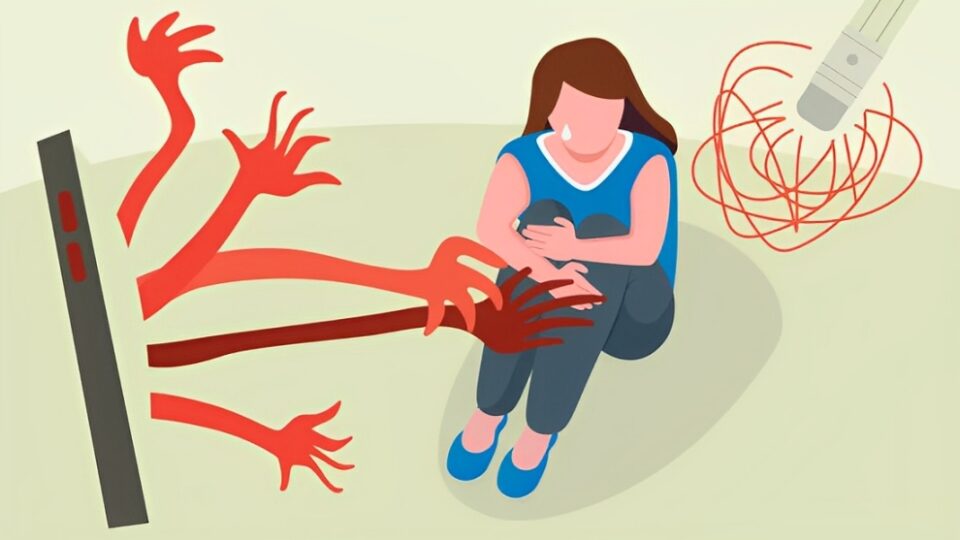
Trauma leaves marks that go far deeper than scars on the skin. It changes the nervous system, reshapes thought patterns, and rewires our sense of safety. For many, the journey of healing begins with awareness, compassion, and courage. But for others, the process is stalled — or never starts at all.
It’s not because they’re weak. It’s not because they want to stay broken. Often, the refusal or inability to heal trauma is far more complex than it seems. Understanding why some people won’t heal their trauma is not about judgment — it’s about compassion, insight, and patience.
The Pain Has Become a Part of Their Identity
When someone lives with trauma long enough, it stops feeling like a wound and starts feeling like who they are.
The pain becomes so familiar, so ingrained, that healing feels like losing a part of oneself. Without the trauma, who are they? What replaces the fear, the anger, the hypervigilance?
For some, the idea of being whole is more terrifying than being broken. Healing demands a reinvention of self — and that can feel like stepping into a void.
Healing Means Facing What They’ve Avoided for Years
True healing requires turning toward the pain — not away from it. It means revisiting dark memories, feeling emotions that were buried long ago, and often confronting those who hurt them (or the version of themselves that let it happen).
This process is painful. And for some, it feels unbearable. Avoidance becomes a survival mechanism. They may say, “It’s in the past,” or “I’m over it,” but deep down, the avoidance is a shield they’re not ready to drop.
They Don’t Believe They Deserve to Heal
Self-worth is often deeply damaged by trauma — especially if it stems from abuse, neglect, or betrayal.
Many trauma survivors internalize their experiences and develop the belief that they’re somehow flawed, broken, or unworthy of peace. So when healing becomes an option, they reject it. Subconsciously, they feel they don’t deserve happiness, safety, or wholeness.
This self-sabotage is one of trauma’s cruelest legacies — and one of the hardest to undo.
Healing Disrupts Relationships Built Around Pain
Some people remain in environments, friendships, or even families where their trauma is normalized. These systems are often built around shared pain, dysfunction, or silence.
If one person begins to heal, they disturb the dynamic. They become a mirror, a threat, a disruptor. Others might react with resistance or even cruelty, making the healing individual feel isolated or punished for growing.
For many, staying wounded feels safer than standing alone.
The World Doesn’t Always Make Space for Healing
Let’s be honest: healing takes time, space, and safety — and not everyone has access to those things.
- A single parent working three jobs may not have the luxury of therapy.
- Someone in a toxic relationship may not have a safe place to process.
- A person living in poverty or war may not even have the physical security needed to start healing.
Trauma doesn’t just come from the past. For many, it’s ongoing — and you can’t heal in the same place where you’re still being hurt.
Society Rewards Strength, Not Vulnerability
We live in a culture that often celebrates “toughing it out” over tenderness, productivity over presence. Vulnerability is still misunderstood. Many fear that if they begin to heal — if they open the floodgates — they’ll be seen as weak, dramatic, or unstable.
So they keep it in. Smile on the outside. Quiet chaos on the inside. They perform strength instead of embodying peace.
They Don’t Know What Healing Looks Like
Some people have simply never seen a model of emotional healing. They weren’t taught how to self-soothe, how to talk about feelings, or how to sit with discomfort.
The tools, language, and safe spaces they need may be foreign to them. So when someone says, “You should work on your trauma,” they don’t even know where to begin — or that healing is even possible.
Conclusion
Healing is available, but it’s not always accessible — emotionally, financially, or socially. And even when it is, the decision to begin is deeply personal. For many, the fear of healing is greater than the pain of staying stuck.
So if you know someone who seems unwilling to heal, meet them with understanding, not frustration. Be the safety they might not have. Model healing with your presence, not pressure.And if you are the one holding back — know this:You are not broken. You are not weak. You are not alone.You are allowed to heal, even if the world told you otherwise.
