
Introduction
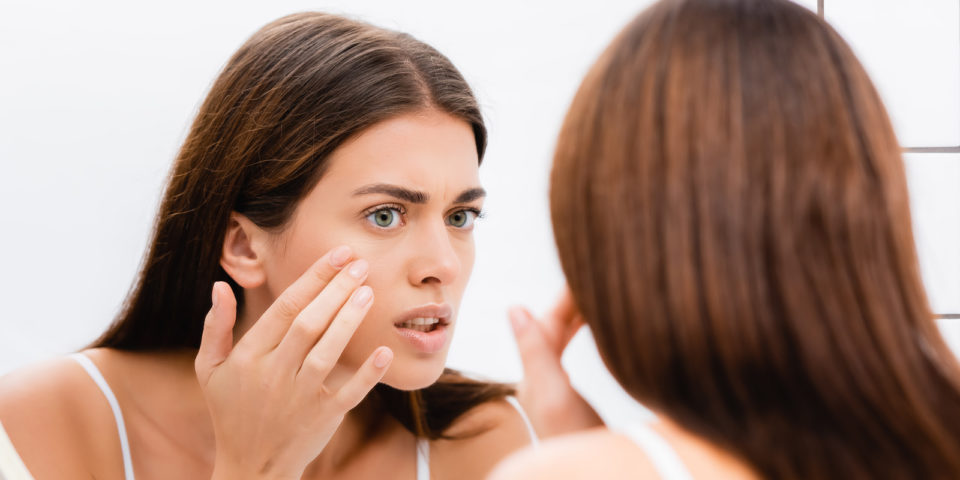
Stress is something we all experience at different points in our lives. It can come from work, relationships, or even everyday challenges. While we often focus on the mental and emotional impact of stress, it’s important to understand how it affects our physical health as well, especially our skin. Stress can lead to various skin problems, making it look tired, dull, and even cause breakouts. In this article, we’ll explore the real effects of stress on your skin and what you can do to manage them.
How Stress Affects Your Skin
1. Acne Breakouts
When you’re under stress, your body increases its production of the hormone cortisol. High levels of cortisol can increase oil production in your skin glands, leading to clogged pores and acne breakouts. This is why you might notice more pimples when you’re going through a stressful time.
2. Dry Skin
Stress can interfere with your skin’s ability to retain moisture. When your body is under stress, it may not produce as many natural oils as it normally does, leading to dry and flaky skin. Additionally, stress can make you forget to drink enough water or maintain a good skincare routine, further contributing to dryness.
3. Dullness and Fatigue
Stress can take away your skin’s natural glow. When you’re stressed, your blood flow is directed to your vital organs, leaving your skin looking dull and tired. Lack of sleep, which often accompanies stress, can also make your skin look lifeless and can cause dark circles under your eyes.
4. Redness and Inflammation
Stress triggers the body’s inflammatory response, which can lead to skin redness and flare-ups. Conditions like eczema, psoriasis, and rosacea can become worse when you’re stressed. The inflammation can make your skin itchy and uncomfortable, adding to your stress levels.
5. Premature Ageing
Chronic stress can speed up the ageing process of your skin. Stress hormones break down collagen and elastin, which are proteins that keep your skin firm and elastic.This can result in the development of wrinkles, fine lines, and sagging skin. Long-term stress can make you look older than you really are.
6. Worsening of Existing Skin Conditions
If you have pre-existing skin conditions, stress can make them worse. For example, if you have acne, eczema, or psoriasis, you may find that your symptoms flare up more often when you’re stressed. Stress can weaken your skin’s barrier function, making it more susceptible to irritants and infections.
Tips to Manage Stress and Protect Your Skin
1. Practise Good Skincare
Maintaining a consistent skincare routine can help protect your skin from the effects of stress.Wash your face daily to eliminate excess oil and impurities. Use a good moisturiser to keep your skin hydrated and apply sunscreen to protect it from UV damage.
2. Stay Hydrated
Drinking enough water is essential for keeping your skin healthy.Try to drink at least eight glasses of water each day. Staying hydrated helps your skin retain moisture and maintain its natural glow.
3. Get Enough Sleep
Adequate sleep is crucial for your skin’s health. Aim for 7-9 hours of sleep each night. When you sleep, your skin repairs itself, and getting enough rest can help reduce the appearance of dark circles and puffiness.
4. Eat a Balanced Diet
A healthy diet can improve your skin’s appearance.Consume a variety of fruits, vegetables, whole grains, and lean proteins. Foods rich in antioxidants, such as berries and leafy greens, can help protect your skin from damage. Avoid processed foods and excessive sugar, as they can worsen skin problems.
5. Exercise Regularly
Regular physical activity can help reduce stress levels and improve your overall well-being.Physical activity boosts blood flow to your skin, resulting in a healthy glow. It also helps regulate hormones and can reduce the production of stress-related hormones like cortisol.
6. Practice Relaxation Techniques
Include relaxation techniques in your daily routine to help manage stress. Activities like yoga, meditation, and deep breathing exercises can help ca-lm your mind and reduce stress. Taking time for yourself to relax and unwind is important for both your mental health and your skin.
7. Seek Professional Help
If you’re struggling to manage stress on your own, consider seeking professional help. A therapist or counsellor can help you develop coping strategies to deal with stress effectively. Sometimes, talking to someone about your stress can make a big difference.
Conclusion
Stress has a significant impact on your skin, causing issues like acne, dryness, dullness, redness, and premature ageing. By understanding these effects and taking steps to manage stress, you can protect your skin and maintain a healthy, radiant complexion. Remember to practise good skincare, stay hydrated, get enough sleep, eat a balanced diet, exercise regularly, and incorporate relaxation techniques into your routine. If needed, seek professional help to better manage stress and improve your overall well-being. Taking care of your skin starts with taking care of yourself.
