
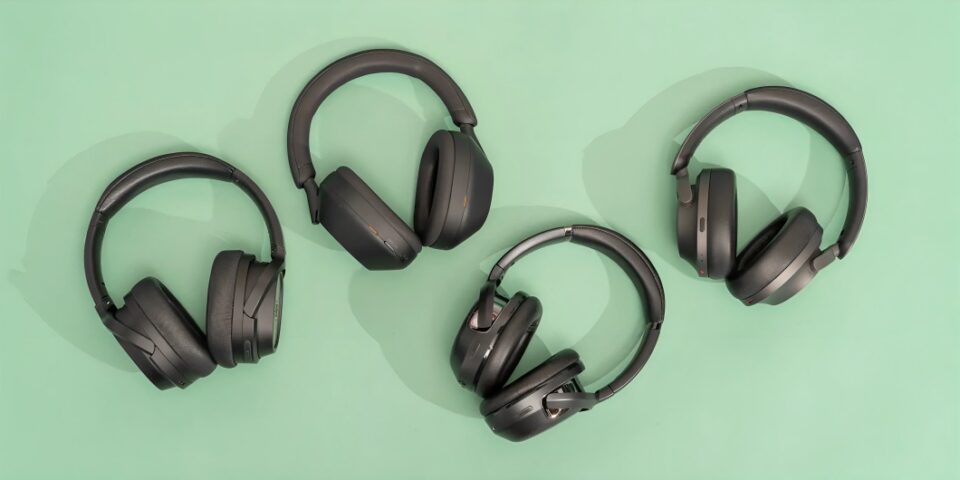
When shopping for headphones, most people focus on the big, shiny features: active noise cancellation, booming bass, 3D spatial audio, and long battery life. They seem like the things that matter most—and in some ways, they do. But there’s one feature most people overlook, one that quietly transforms how you experience sound:
Soundstage.
It’s not flashy. It’s not heavily advertised. Yet it might be the single most important factor that determines how real, immersive, and emotional your listening experience truly becomes.
What Is Soundstage?
Soundstage describes how headphones recreate the sense of physical space in audio. Instead of hearing everything squeezed between your ears, you hear music as though it’s happening around you—like an invisible stage where each instrument has a position.
A good soundstage lets you mentally map where sounds are coming from:
- The singer centered in front of you
- Drums slightly to the back
- Guitar strumming to your left
- Piano floating in the right corner
It feels less like listening to headphones and more like being in the room with the performers.
Why Soundstage Matters
Most modern headphones are designed to impress at first listen—loud bass, boosted volume, or heavy processing. But the soundstage is what keeps you immersed long after the novelty fades.
1. A More Realistic Experience
Music feels alive. You don’t just hear it—you enter it.
2. Better Detail Recognition
You begin to notice things you never heard before:
Whispers in a vocal line, fingers sliding across guitar strings, the soft echo of a cymbal.
3. Greater Emotional Impact
Because everything feels more lifelike, songs you already love suddenly hit deeper.
4. Better for Movies + Games
Direction matters. A wide soundstage helps you sense where footsteps, engines, or voices are coming from—enhancing immersion.
Why No One Talks About It
Even though soundstage plays a massive role, it rarely gets attention. Why?
- It’s not easily measured like battery hours or bass frequency
- Manufacturers can’t market it with flashy numbers
- Most people don’t know to look for it
- It takes a trained ear—or a single magical listen—to appreciate
But among audiophiles, soundstage is often considered more valuable than any other headphone feature.
What Influences Soundstage?
Not all headphones are built the same. Four factors shape soundstage:
1. Design
Open-back headphones generally have the widest, most natural soundstage; closed-back designs feel more intimate.
2. Driver Quality
Better drivers = more accurate placement of audio elements.
3. Tuning
Balanced sound allows every instrument to breathe rather than being crushed by heavy bass.
4. Source Audio
High-resolution files dramatically improve spatial accuracy.
How to Tell if Headphones Have Good Soundstage
Try listening to an acoustic track, orchestral piece, or well-recorded jazz. You’ll know the difference instantly if:
- You can point to where each sound is
- Nothing feels mashed together
- The music feels “outside your head”
It’s the closest thing to attending a private live performance.
Conclusion
The next time you buy headphones, don’t just look for noise cancellation, bass power, or fancy marketing words. Seek out soundstage—the underrated feature that determines how real, detailed, and emotionally powerful your listening experience becomes.
Once you hear music with rich soundstage, flat and compressed headphones will never feel the same again.
It’s not the most advertised feature, but it may be the one that transforms every listening moment.
