
The way we experience sound has evolved significantly over the years. From mono to stereo to surround sound, the quest to create more immersive audio has pushed technology forward. Two terms that have gained attention in recent years are “spatial audio” and “3D positional audio.” Both promise to provide a more immersive sound experience, but what do they mean, and how are they different? Let’s dive into the world of advanced audio technology to understand these terms better.
What Is Spatial Audio?
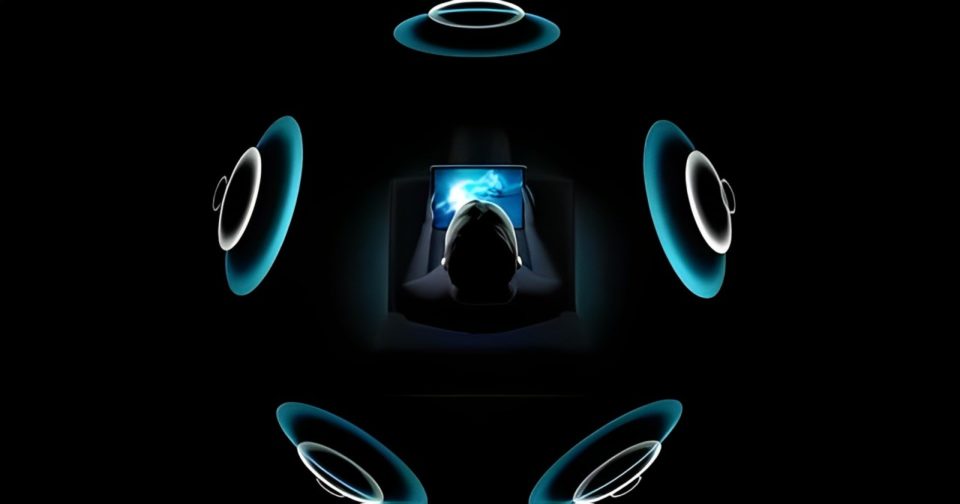
Spatial audio refers to a technology that mimics the way we naturally hear sound in the real world. In real life, sound reaches us from all directions—above, below, behind, and beside us. Spatial audio attempts to recreate this experience, allowing sounds to come from different points around the listener. It’s designed to enhance the depth, clarity, and immersion of audio content.
Apple popularized spatial audio with the release of its AirPods Pro and AirPods Max, integrating the technology into their ecosystem. The feature works in tandem with dynamic head tracking, adjusting the sound based on the position of the listener’s head. For example, if you turn your head while watching a movie, the dialogue will seem to come from the same place (like the screen) rather than moving with you. This creates a lifelike experience where audio feels grounded and consistent with your surroundings.
What Is 3D Positional Audio?
3D positional audio, as the name suggests, is an audio technology that allows sounds to be placed in specific positions around a listener within a three-dimensional space. It’s primarily used in gaming and virtual reality (VR) environments, where it’s crucial for users to hear sounds coming from specific directions—whether it’s the footsteps of an enemy behind them or the rustling of leaves to their right.
Positional audio enhances the sense of direction and distance. It considers the listener’s position and moves sounds accordingly. This is crucial for creating an immersive experience in VR or 3D gaming, where sound plays a critical role in spatial awareness and realism. For example, if you’re in a game and a sound comes from above and to the left, the audio system will place that sound accurately, so it seems like it’s really coming from that direction.
How Are Spatial Audio and 3D Positional Audio Different?
While both spatial audio and 3D positional audio aim to create a more immersive experience by simulating real-world sound environments, there are some key differences between them:
Purpose and Application:
Spatial Audio is often associated with media playback (movies, music, etc.) and focuses on creating a sense of space and immersion in a more passive experience. It’s widely used in streaming services like Apple Music, Netflix, and Disney+ to enhance the listening experience.
3D Positional Audio is more commonly used in interactive environments like video games and VR. It is about precisely positioning sounds in a 3D space, allowing users to react to audio cues that are integral to gameplay or virtual interactions.
Head Tracking:
Spatial Audio often incorporates head tracking, which adjusts the sound as the listener moves their head, maintaining a consistent sound environment. For instance, if you’re watching a movie and turn your head, spatial audio ensures the sound feels like it’s still anchored to the screen.
3D Positional Audio typically does not rely on head tracking in the same way, especially in gaming. The sounds are positioned within a 3D space based on in-game events or interactions rather than the user’s head movement.
Content Creation:
Spatial Audio focuses on providing an immersive experience for media that has already been mixed in stereo or surround sound, enhancing it with spatial elements. It’s more about adding depth and realism to existing audio.
3D Positional Audio requires sounds to be deliberately placed in a 3D environment during the content creation process. This is essential in gaming and VR, where the direction and position of sounds are integral to the experience.
Technology and Format:
Spatial Audio works with surround sound formats such as Dolby Atmos, DTS
, and Apple’s proprietary formats. It can take traditional audio formats and create a more immersive effect by simulating height and distance.
3D Positional Audio is typically part of game engines or VR platforms that use software algorithms to place sounds dynamically as events unfold within the virtual environment.
Do You Need Spatial Audio or 3D Positional Audio
Whether you need spatial audio or 3D positional audio depends largely on your activities and preferences.
If you’re an avid movie watcher, music listener, or podcast fan, spatial audio can enhance your experience by making you feel more immersed in the content. It makes listening more engaging and creates a sense of depth that traditional audio setups can’t offer.
If you’re a gamer or someone who frequently uses VR, 3D positional audio is essential for realism and spatial awareness. It allows you to be more aware of your surroundings, whether in a virtual world or during gameplay, enhancing your interaction with the environment.
Conclusion
Both spatial audio and 3D positional audio represent the future of immersive sound, but they serve different purposes. Spatial audio excels in passive entertainment, creating rich soundscapes for movies, music, and TV shows. 3D positional audio, on the other hand, is a powerful tool in interactive environments like gaming and VR, where the accurate positioning of sound is crucial for immersion.
Ultimately, the choice between spatial and 3D positional audio comes down to how you consume content. Regardless of your preference, both technologies promise to make audio experiences richer, more immersive, and closer to real life than ever before.
