
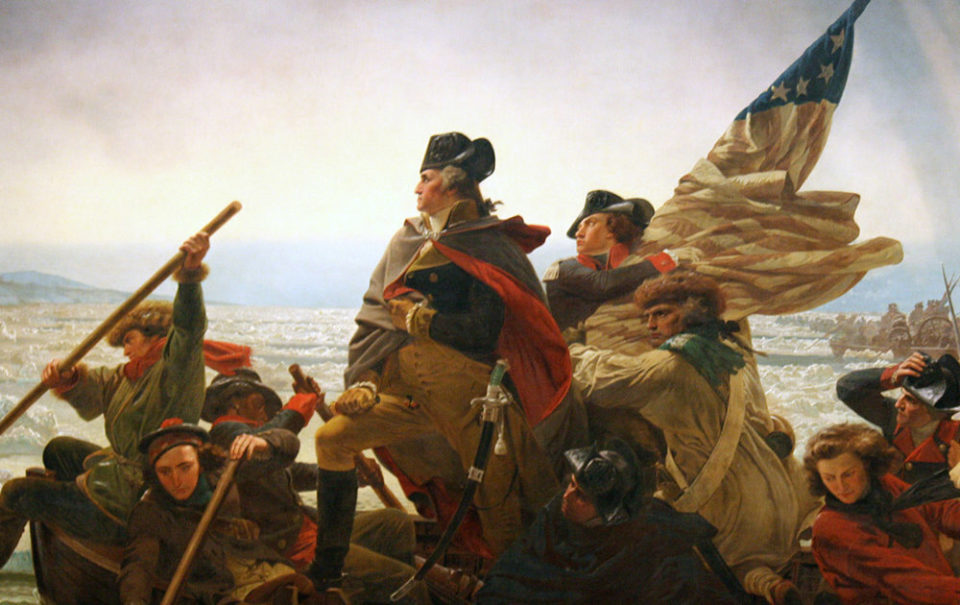
Throughout the annals of human civilization, certain moments stand out as revolutionary turning points that have reshaped the course of history, altered societal norms, and transformed the fabric of human existence. These pivotal moments, marked by upheaval, innovation, and the struggle for change, have left an indelible mark on the collective consciousness of humanity. In this article, we delve into some of the most significant revolutionary moments in world history, exploring their impact and enduring legacy.
The Agricultural Revolution
The transition from hunting and gathering to agriculture, known as the Agricultural Revolution, marked a seminal moment in human history. It enabled the rise of settled societies, the development of complex civilizations, and the establishment of permanent settlements. Agriculture not only provided a reliable food source but also laid the foundation for advancements in technology, trade, and social organization, shaping the course of human development for millennia to come.
The French Revolution
The French Revolution of 1789 stands as one of the most iconic and influential revolutionary moments in history. Fueled by Enlightenment ideals of liberty, equality, and fraternity, the revolutionaries overthrew the monarchy, abolished feudal privileges, and established the French Republic. The revolution sparked waves of political upheaval across Europe and beyond, inspiring movements for democracy, nationalism, and social justice around the world.
The Industrial Revolution
The Industrial Revolution, which began in the late 18th century in Britain and spread globally in the 19th century, heralded a profound transformation in human society. Powered by innovations in manufacturing, transportation, and technology, the Industrial Revolution led to unprecedented economic growth, urbanization, and social change. It revolutionized production methods, created new industries, and laid the groundwork for modern capitalism, shaping the modern world in profound ways.
The American Civil Rights Movement
The American Civil Rights Movement of the 1950s and 1960s was a watershed moment in the struggle for racial equality and social justice. Led by figures such as Martin Luther King Jr., Rosa Parks, and Malcolm X, the movement challenged segregation, discrimination, and systemic racism in the United States. Through nonviolent protests, marches, and acts of civil disobedience, activists fought for voting rights, desegregation, and equal treatment under the law, leaving a lasting legacy of progress and inspiring future generations of activists worldwide.
The Digital Revolution
The advent of the internet and digital technology in the late 20th century ushered in a new era of connectivity, communication, and innovation. The Digital Revolution has transformed virtually every aspect of human life, from how we work and socialize to how we access information and consume media. It has democratized access to knowledge, empowered individuals to connect across borders, and revolutionized industries ranging from entertainment and commerce to healthcare and education, reshaping the global landscape in ways previously unimaginable.
Conclusion
Revolutionary moments are not merely isolated events in history but seismic shifts that reverberate across time, shaping the world we inhabit and influencing the trajectory of human civilization. Whether through political upheaval, technological innovation, or social movements, these moments of change have challenged existing paradigms, shattered barriers, and paved the way for progress. As we reflect on these revolutionary moments, we are reminded of the enduring power of human agency, resilience, and the relentless pursuit of a better future for all.
