
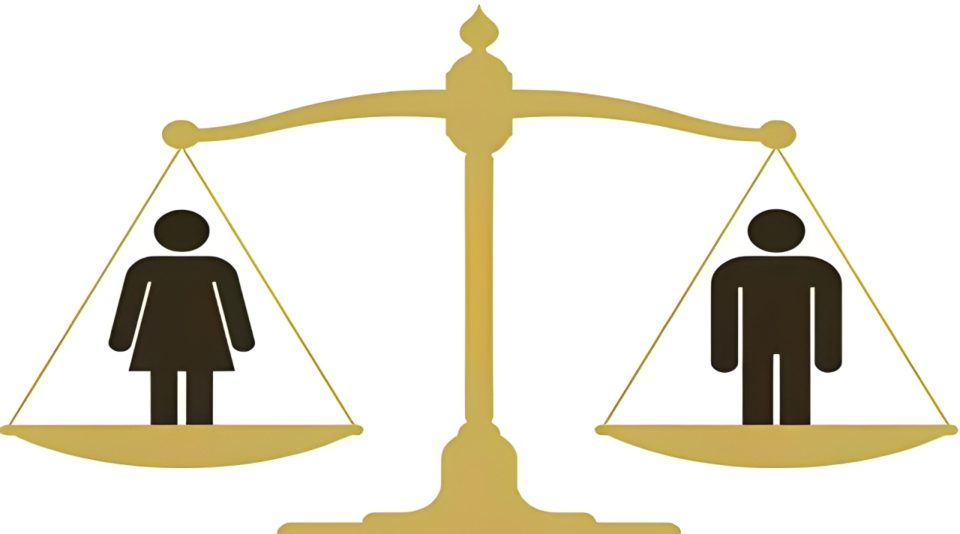
Feminism, at its core, has always been a movement for equality—challenging societal systems that limit opportunities for women and advocating for a fairer, more just world. Over time, feminism has evolved, adapting to the shifting landscapes of society. Today, a modern understanding of feminism calls for a nuanced approach that goes beyond achieving equality in terms of sameness. It demands a recognition of individuality, diversity, and the unique strengths each person brings to the table.
This redefinition doesn’t negate the foundational goals of feminism; instead, it expands the conversation, aiming to create a more inclusive and equitable framework that benefits all members of society.
The Historical Roots of Feminism: A Fight for Equality
Feminism’s early waves focused primarily on the eradication of systemic barriers for women. The suffragette movement secured voting rights, while the mid-20th century brought attention to reproductive rights, workplace discrimination, and education. These monumental efforts set the stage for the legal and social reforms that followed.
However, early feminism often emphasized achieving equality by proving that women could do everything men could, sometimes unintentionally dismissing the value of traditionally feminine traits or roles. This approach, while necessary at the time, now requires rethinking. Equality is not about erasing differences but ensuring that those differences are valued equally.
Equality vs. Equity: Understanding the Distinction
Equality has traditionally been understood as treating everyone the same, irrespective of their circumstances or needs. While this idea is foundational, it overlooks the reality that individuals do not start from the same place. Equity, on the other hand, acknowledges differences and works to provide tailored resources and opportunities to level the playing field.
In the workplace, for instance, equity might mean offering mentorship programs for women in male-dominated fields or creating parental leave policies that support both men and women. This approach ensures that everyone, regardless of their background or circumstances, can achieve their full potential.
Celebrating Individual Strengths
A redefined feminism celebrates the unique strengths of individuals rather than forcing conformity to a singular standard. Women, for instance, often excel in areas such as empathy, collaboration, and emotional intelligence—traits that are increasingly recognized as essential for leadership and innovation.
Rather than devaluing traditionally feminine traits, modern feminism advocates for their recognition and integration into various sectors. This perspective allows individuals to thrive without the pressure to conform to outdated stereotypes.
Similarly, it’s important to acknowledge that men, too, benefit from breaking free of restrictive gender norms. Encouraging men to embrace roles as caregivers, nurturers, and supporters contributes to a society where all individuals can express their full range of capabilities.
Intersectionality: Expanding the Scope of Feminism
One of the most critical advancements in modern feminism is the recognition of intersectionality. Coined by scholar Kimberlé Crenshaw, intersectionality refers to the way in which various forms of discrimination—such as racism, sexism, and classism—intersect and compound.
For example, the experiences of a woman of color differ significantly from those of a white woman due to the interplay of race and gender. Similarly, LGBTQ+ individuals face unique challenges that traditional feminism must address. By acknowledging these diverse experiences, feminism becomes more inclusive and representative of all individuals.
Beyond Gender: Feminism for Everyone
Redefining feminism also involves moving beyond the binary understanding of gender. Non-binary and genderqueer individuals, for example, often experience forms of discrimination that feminism is uniquely positioned to address. Expanding the movement to include these voices strengthens its mission and relevance.
Moreover, this broader approach emphasizes that feminism isn’t just about women. It’s about dismantling systems of oppression that harm everyone, including men. Toxic masculinity, for instance, perpetuates harmful stereotypes about strength, emotional suppression, and dominance that limit men’s ability to live fully authentic lives. A redefined feminism works to liberate all individuals from these constraints.
The Role of Feminism in the Workplace
In professional settings, the redefinition of feminism has transformative potential. While much progress has been made in achieving gender diversity in the workplace, challenges such as the gender pay gap, lack of representation in leadership roles, and workplace harassment persist.
Modern feminism calls for systemic changes, such as implementing flexible work policies, ensuring equal pay for equal work, and creating safe spaces where individuals can thrive without fear of discrimination. Additionally, it recognizes that representation matters—not just for women but for all marginalized groups.
Feminism and Education: Building a Better Future
Education remains one of the most powerful tools for advancing feminism. By teaching young people about gender equality, respect for diversity, and the value of individual strengths, we lay the foundation for a more inclusive society.
Redefining feminism in education means promoting STEM opportunities for girls while also encouraging boys to explore traditionally female-dominated fields such as nursing and education. It means creating curricula that reflect diverse histories and perspectives, empowering all students to see themselves as capable and valued.
Conclusion
Redefining feminism is not about abandoning its past but evolving its mission to meet the demands of the present. It’s about balancing the pursuit of equality with the recognition and celebration of individual strengths. It’s about equity, diversity, and inclusivity, ensuring that everyone has the opportunity to thrive.
This new vision of feminism acknowledges that differences are not weaknesses but strengths. By embracing these differences and dismantling oppressive systems, feminism can continue to be a transformative force—not just for women, but for all of humanity. In redefining feminism, we move closer to a world where everyone, regardless of gender, race, or background, can live with dignity, opportunity, and freedom.
