
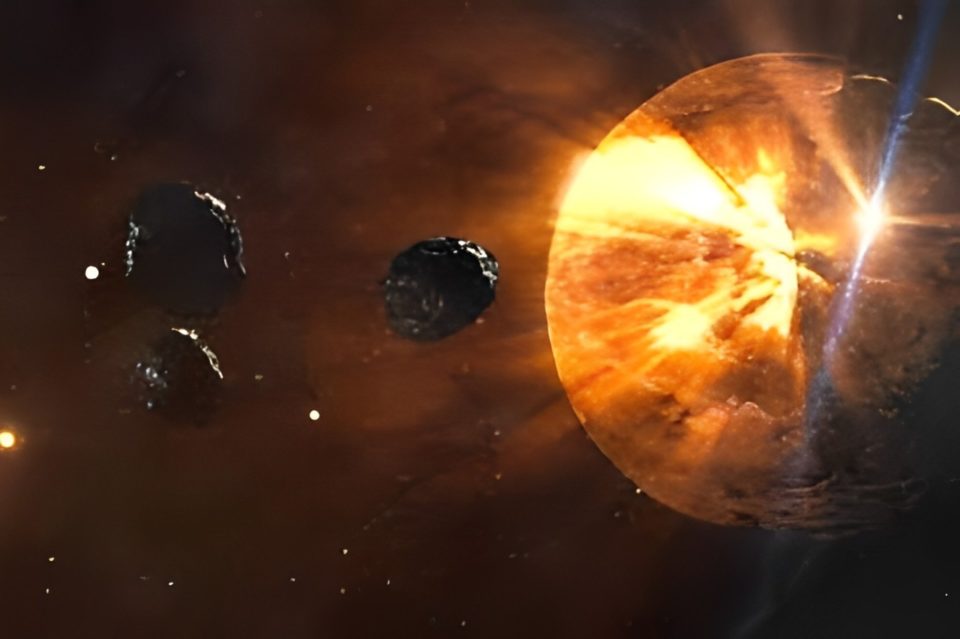
The Earth is in crisis. From rapidly rising global temperatures to deforestation and the mass extinction of species, the signs of environmental degradation are clear. Scientists and activists around the world have been raising alarms for decades, but the urgency to act has never been greater than it is today. Climate change, pollution, and unsustainable practices are pushing the planet to a tipping point, and time is running out.
In this article, we’ll explore the environmental challenges facing the Earth, the consequences of inaction, and why immediate action is necessary to preserve the future of life on this planet.
The Environmental Crisis: Where We Stand Now
The Earth’s climate has undergone significant changes throughout its history, but the rapid warming observed over the last century is unprecedented. Human activities, especially the burning of fossil fuels, deforestation, and industrial agriculture, are driving an accelerated increase in greenhouse gas emissions, primarily carbon dioxide (CO2) and methane (CH4).
These gasses trap heat in the Earth’s atmosphere, causing temperatures to rise, which in turn leads to a chain reaction of destructive environmental effects:
Melting polar ice caps and rising sea levels, threatening coastal communities and habitats.
Severe weather events like hurricanes, floods, droughts, and wildfires are occurring with increasing frequency and intensity.
Ocean acidification due to increased CO2 absorption, harming marine ecosystems.
Loss of biodiversity, with species unable to adapt to the rapidly changing environment, leading to mass extinction events.
The Intergovernmental Panel on Climate Change (IPCC) has warned that we must limit global warming to 1.5°C above pre-industrial levels to avoid the most catastrophic impacts. Yet, current trends suggest we are on track to exceed that threshold within the next few decades.
The Consequences of Inaction
If we fail to act swiftly, the consequences will be dire and far-reaching. The following are some of the most significant threats posed by unchecked environmental damage:
Widespread displacement: Rising sea levels could displace millions of people living in coastal areas. Island nations and low-lying countries like Bangladesh are already experiencing the early effects of this threat.
Food and water shortages: Climate change is disrupting agricultural productivity, leading to reduced crop yields and food insecurity. Meanwhile, water scarcity is becoming a pressing issue in many parts of the world, with millions of people facing water shortages due to droughts and shrinking freshwater supplies.
Health crises: Air pollution, water contamination, and the spread of diseases due to changing ecosystems are exacerbating global health challenges. Heatwaves and poor air quality are already contributing to an increase in respiratory and cardiovascular diseases.
Economic collapse: The economic costs of climate change could be astronomical. Damage to infrastructure, lost productivity, and the cost of mitigating extreme weather events are expected to rise significantly. Entire industries, such as agriculture and fisheries, could collapse in regions hardest hit by climate change.
The longer we delay action, the harder and more expensive it will be to address these problems. Time is not on our side, and the cost of inaction far outweighs the investment needed to reverse or mitigate the damage.
Why Immediate Action is Necessary
The window for meaningful action to address climate change and environmental degradation is closing rapidly. The next few years will be critical in determining whether we can avoid the worst consequences of the climate crisis. Here’s why immediate action is essential:
Cumulative impact: The longer we wait, the more damage we do to the planet. Greenhouse gasses accumulate in the atmosphere over time, and reversing their effects becomes exponentially more difficult as concentrations increase. Every year of delay makes it harder to meet climate targets.
Irreversible tipping points: Climate scientists warn of several potential tipping points—such as the collapse of the Greenland ice sheet or the die-off of the Amazon rainforest—that could trigger irreversible changes to the global climate system. Once these points are crossed, it will be impossible to undo the damage, and the planet will enter a new, less hospitable state.
Technological innovation: Rapid investments in renewable energy, sustainable agriculture, and green technologies could significantly reduce our environmental impact. The sooner we adopt these technologies at scale, the better chance we have of mitigating the damage and transitioning to a sustainable future.
Moral obligation: Future generations will inherit the consequences of our actions—or inaction. We have a responsibility to leave the Earth in a livable condition for our children and grandchildren. Acting now is not only an environmental necessity but a moral one as well.
What We Can Do: A Call to Act Now
Addressing the climate crisis and environmental degradation requires collective action on a global scale. Governments, corporations, and individuals each hold a crucial responsibility in building a sustainable future. Here’s what can be done:
Government action: Governments must implement strong policies that reduce carbon emissions, promote renewable energy, and protect natural ecosystems. The Paris Agreement is a step in the right direction, but nations need to ramp up their commitments and take bold action to meet climate goals.
Corporate responsibility: Businesses, especially those in the fossil fuel, agriculture, and manufacturing industries, need to adopt sustainable practices. This includes reducing emissions, minimizing waste, and investing in green technologies. Corporations must also be held accountable for their environmental impact.
Individual choices: Each of us can make a difference through the choices we make in our daily lives. Reducing energy consumption, minimizing waste, opting for plant-based diets, and supporting sustainable products are all ways to reduce our environmental footprint. Advocacy and education are also powerful tools—raising awareness about the urgency of climate action is essential.
Conclusion
The race to save the Earth is one we cannot afford to lose. The environmental crises we face today are unprecedented, but they are not insurmountable. With bold action, innovation, and a collective commitment to sustainability, we can turn the tide and protect the planet for future generations.
The time to act is now. Every moment of delay brings us closer to the tipping point. The Earth’s future is in our hands, and we must act swiftly to ensure it remains a place where all life can thrive.
