
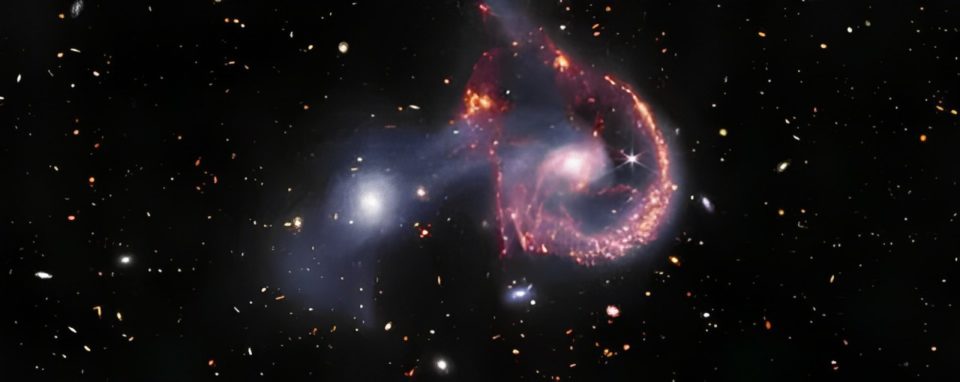
When we look up at the night sky, we see a glimpse of our cosmic home, a vast universe filled with stars, planets, and galaxies. Our sun, the star at the center of our solar system, is just one of the countless stars that dot the universe. Yet, while our star may seem quite typical in the grand scheme of things, the galaxy we inhabit is anything but ordinary. Our cosmic home—typical for stars, but not for galaxies—offers a fascinating look into the complexity and diversity of the universe.
The Typical Nature of Our Star, the Sun
In many ways, the sun is an average star. It’s classified as a G-type main-sequence star, often called a yellow dwarf, and is about 4.6 billion years old. This type of star is fairly common in the universe. In fact, G-type stars make up about 7.5% of the stars in the Milky Way. Our sun burns steadily, providing a stable energy source that has allowed life to flourish on Earth.
Most stars in the universe are relatively small and cool, like red dwarfs, which make up the majority of stars in the Milky Way. While the sun is larger and hotter than red dwarfs, it is still considered quite normal in terms of size, temperature, and lifespan compared to many of the massive, short-lived stars found in other parts of the universe.
A Unique Galactic Home
While our sun may be typical, the Milky Way galaxy we call home is not. The Milky Way is classified as a barred spiral galaxy, and it is one of the largest galaxies in the local universe, with a diameter of about 100,000 light-years. It is estimated to contain between 100 to 400 billion stars, along with vast amounts of gas, dust, and dark matter.
The Milky Way’s spiral structure, with its arms winding outward from a central bulge, is iconic, but spiral galaxies make up only about 30% of all galaxies in the universe. The most common type of galaxy is the dwarf galaxy, which is much smaller and less massive than our own. In addition, elliptical galaxies, which lack the defined structure of spirals, make up about 60% of the galaxy population. These galaxies are typically older and contain less gas, making them less conducive to star formation.
The sheer size and structure of the Milky Way make it an unusual galactic home. Most stars in the universe reside in smaller, less organized galaxies that don’t have the same rich environment for star formation and planetary systems.
Our Place in the Universe
Our solar system is located in one of the outer arms of the Milky Way, called the Orion Arm, about 26,000 light-years from the galactic center. This location is relatively quiet compared to the densely packed center of the galaxy, where gravitational forces are much stronger, and the chances of stars colliding or being torn apart are higher.
The Milky Way itself is part of a group of galaxies called the Local Group, which includes about 54 galaxies, most of them small dwarfs. The two largest members of this group are the Milky Way and the Andromeda Galaxy, which is another spiral galaxy. These two giants dominate the Local Group and are on a slow-motion collision course, expected to merge in about 4.5 billion years.
The Rare Combination: A Typical Star in an Unusual Galaxy
The combination of a typical star in a relatively rare, large spiral galaxy like the Milky Way gives our cosmic home a unique character. While many stars exist in small, quiet galaxies, our sun resides in a galaxy rich with star-forming regions, supernovae, and a well-organized structure that influences the evolution of its stars and planets.
This cosmic environment has been conducive to the development of life. The relative calm of the solar system’s location in the galaxy has provided the stability needed for life to evolve on Earth. In a smaller or more chaotic galaxy, where stars frequently interact and collide, the chances of a stable planetary system like ours existing would be much lower.
What This Means for the Search for Life
The fact that we live in a typical star system but an atypical galaxy has implications for the search for life elsewhere in the universe. Many scientists believe that galaxies like the Milky Way, with their abundance of gas and dust for star and planet formation, provide the best environments for life to develop. However, given that most stars exist in much smaller or less organized galaxies, it raises questions about the frequency and distribution of life in the cosmos.
While we may be typical inhabitants of the universe in some respects, our galactic home offers unique opportunities for exploration, discovery, and perhaps even the understanding of our place in a universe filled with so many unknowns.
Conclusion
Our cosmic home, with its typical star and atypical galaxy, represents a fascinating blend of the ordinary and the extraordinary. While the sun is one of countless stars that populate the universe, the Milky Way provides a galactic environment that is more complex and rare. This combination offers unique opportunities for scientific discovery and has played a significant role in the development of life on Earth.
As we continue to explore the universe, understanding the uniqueness of our galactic home reminds us of how special our place in the cosmos truly is.
