
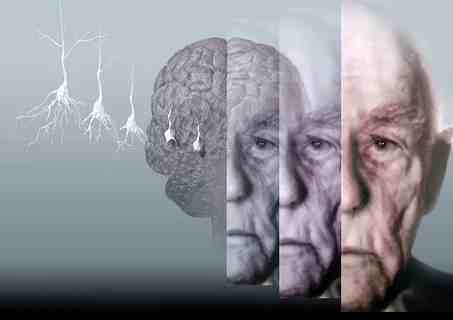
Dementia, a condition marked by the decline in cognitive function, affects millions of people worldwide. While aging is a primary risk factor, new research has identified specific habits that can significantly increase your risk of developing dementia. Understanding these habits can help in taking preventive measures. Here’s a look at four habits that raise your risk of dementia, with one standing out as particularly detrimental.
Sedentary Lifestyle
Why It’s Risky:
Reduced Brain Function: Lack of physical activity is linked to decreased brain function and cognitive decline. Regular exercise promotes blood flow to the brain, supporting neural health.
Increased Health Problems: A sedentary lifestyle contributes to obesity, hypertension, and diabetes, which are all risk factors for dementia.
Prevention Tips:
Regular Exercise: Aim for at least 150 minutes of moderate aerobic activity or 75 minutes of vigorous activity per week.
Stay Active Daily: Incorporate physical activities like walking, gardening, or swimming into your daily routine.
Poor Diet
Why It’s Risky:
Nutrient Deficiency: Diets high in processed foods and sugars can lead to deficiencies in essential nutrients like omega-3 fatty acids, antioxidants, and vitamins, which are crucial for brain health.
Inflammation and Oxidative Stress: Unhealthy diets can cause inflammation and oxidative stress, both of which are linked to cognitive decline and dementia.
Prevention Tips:
Adopt a Mediterranean Diet: Emphasize fruits, vegetables, whole grains, lean proteins, and healthy fats.
Limit Sugars and Processed Foods: Reduce intake of sugars, refined carbs, and trans fats.
Social Isolation
Why It’s Risky:
Cognitive Stimulation: Social interaction stimulates cognitive functions. Isolation can lead to mental inactivity and faster cognitive decline.
Mental Health: Loneliness and depression, often associated with social isolation, are risk factors for dementia.
Prevention Tips:
Stay Connected: Maintain regular contact with family and friends, join social groups, or participate in community activities.
Engage in Group Activities: Consider group hobbies, volunteer work, or taking classes to stay socially active.
Smoking (The Worst Habit)
Why It’s the Worst:
Vascular Damage: Smoking causes significant damage to blood vessels, reducing blood flow to the brain and increasing the risk of vascular dementia.
Neurotoxic Effects: The chemicals in cigarettes are neurotoxic, contributing to the degeneration of brain cells.
Increased Oxidative Stress: Smoking elevates oxidative stress and inflammation, accelerating cognitive decline.
Prevention Tips:
Quit Smoking: Seek support through smoking cessation programs, medications, or counseling.
Avoid Secondhand Smoke: Limit exposure to environments where smoking is prevalent.
Conclusion
Dementia is a complex condition influenced by various factors, but lifestyle choices play a significant role in its development. By avoiding a sedentary lifestyle, maintaining a healthy diet, staying socially active, and most importantly, quitting smoking, you can significantly reduce your risk of dementia. Awareness and proactive changes in these areas can lead to a healthier, more vibrant life with better cognitive health as you age.
