
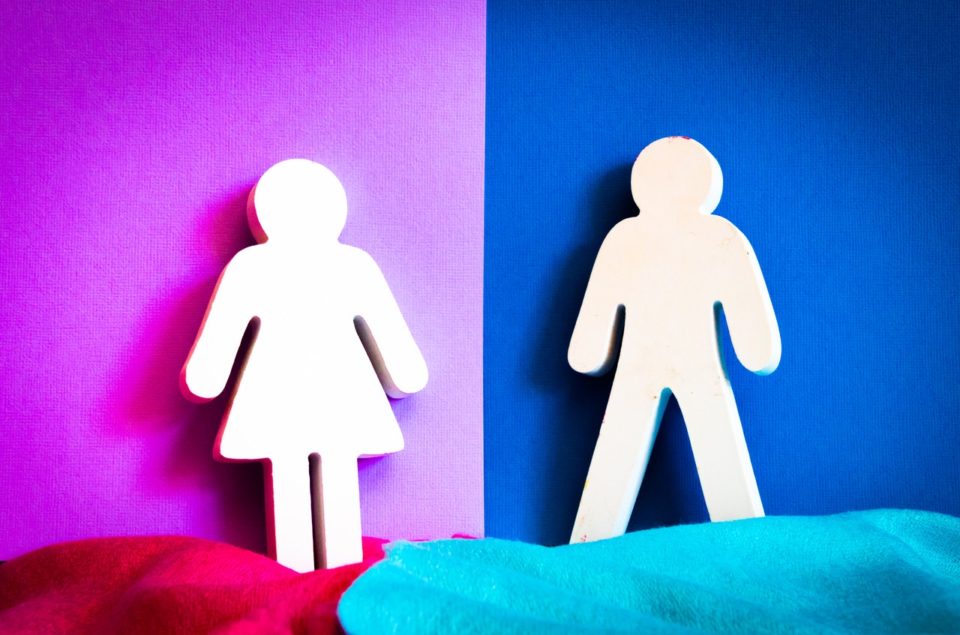
Gender research has come a long way, but it still has room to grow. Traditionally, we’ve used terms like “transgender” and “cisgender” to describe people’s experiences with gender. However, this binary framework doesn’t capture the full diversity of gender identities. Introducing new terms can provide a more inclusive and accurate understanding of gender, enriching the field of gender research.
Understanding the Trans/Cis Binary
To start, it’s important to understand what we mean by “transgender” and “cisgender.”
Transgender:
This term describes people whose gender identity is different from the sex they were assigned at birth. For example, a person assigned female at birth but who identifies as male or non-binary.
Cisgender:
Cisgender: This term refers to individuals whose gender identity aligns with the sex they were assigned at birth.. For example, a person assigned male at birth who identifies as male.
These terms have been crucial in recognizing and validating different gender experiences. However, they also create a binary framework: you’re either trans or cis. This doesn’t account for the many nuanced ways people experience and express their gender.
The Need for New Terms
People’s experiences of gender are incredibly diverse. Not everyone fits neatly into the categories of trans or cis. Some people might identify as non-binary, genderqueer, genderfluid, or with other terms that better capture their experience. By expanding our vocabulary, we can better understand and respect these varied identities.
Examples of New Gender Terms
Here are some examples of gender identities beyond the trans/cis binary:
Non-binary:
A person who doesn’t exclusively identify as male or female. Their gender identity can be a mix of both, neither, or something entirely different.
Genderqueer:
Similar to non-binary, this term is often used by people who reject the traditional gender binary and embrace a more fluid identity.
Genderfluid:
Someone whose gender identity changes over time. They might feel more masculine some days and more feminine on others.
Agender:
An individual who does not identify with any gender.They might feel neutral or have no connection to traditional gender categories.
Benefits of Expanding Gender Terms
Inclusivity:
By recognizing a broader range of gender identities, we create a more inclusive environment where everyone feels seen and respected.
Accurate Representation:
New terms allow people to describe their experiences more accurately, leading to better representation in research and society.
Better Understanding:
Expanding our language helps researchers and the public understand the full spectrum of gender identities and expressions.
Support and Validation:
Using the right terms can provide validation and support to individuals, reducing feelings of isolation and improving mental health.
Impact on Gender Research
Gender research benefits significantly from this expanded vocabulary. Here’s how:
Richer Data:
More inclusive language allows researchers to collect data that better reflects the diversity of people’s experiences. This leads to more accurate and comprehensive studies.
Improved Policy and Practice:
With better data, policymakers and practitioners can create more effective and inclusive policies and programs. This can improve everything from healthcare to education.
Challenging Norms:
Expanding gender terminology helps challenge rigid gender norms, promoting a more flexible and accepting view of gender in society.
Enhanced Awareness:
Increased awareness and understanding of diverse gender identities can reduce stigma and discrimination, fostering a more inclusive society.
Moving Forward
To move beyond the trans/cis binary, it’s important for everyone – researchers, educators, policymakers, and the public – to embrace and use inclusive language.Here are some steps we can follow:
Education and Training:
Providing education on diverse gender identities and inclusive language can help people understand and respect the full range of gender experiences.
Listening to Individuals:
Encouraging people to share their gender experiences in their own words allows us to learn and adopt terms that accurately reflect their identities.
Updating Research Methods:
Researchers should update their methods to include diverse gender identities, ensuring their studies reflect the true diversity of human experiences.
Advocacy and Visibility:
Advocating for the visibility and rights of people with diverse gender identities can help create a more accepting and inclusive society.
Conclusion
Moving beyond the trans/cis binary by introducing and using new gender terms is essential for enriching gender research and fostering a more inclusive society. By embracing a broader range of identities, we can better understand and support all individuals, ensuring that everyone’s experiences are recognized and valued.
