
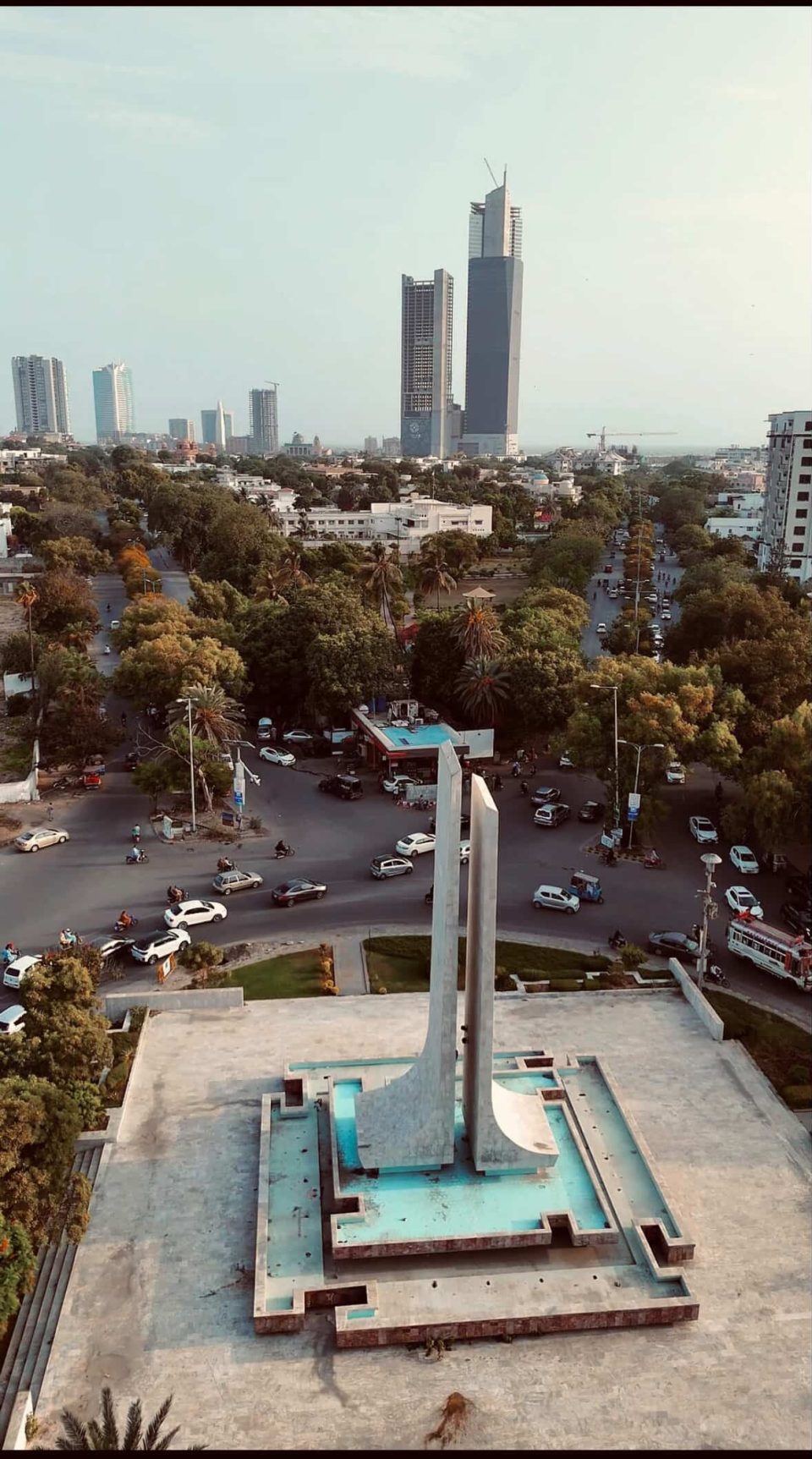
Karachi is not just a point on the map or a crowded urban center. As written by M Humail Qureshi, It is the heartbeat of Pakistan. It is a city that carries the weight of millions of dreams, struggles, and responsibilities on its shoulders every single day. Even when it is tired, ignored, misunderstood, and burdened with problems, Karachi continues to move forward with quiet strength.
This city gives far more than it receives. It earns more than it is rewarded. As the largest city of Pakistan and the biggest contributor to trade, taxes, and economic survival, Karachi plays a role that no other city can replace. Yet, despite its importance, it is often treated like an afterthought. Broken roads, missing streetlights, uncertain security, water shortages, and limited basic services are part of daily life here. Still, every morning, Karachi wakes up and goes to work — not only for itself, but for the entire nation.
A City That Never Truly Sleeps
Karachi is a city that never truly rests. From the early hours of dawn to late into the night, the streets remain alive with movement. Ports operate, markets open, factories hum, offices fill, and transport never stops. The city cannot afford to sleep, because Pakistan depends on it.
Small shopkeepers, street vendors, factory workers, drivers, teachers, doctors, and office employees all contribute silently to the nation’s progress. Like a hardworking laborer who continues working even with fever, Karachi moves forward without complaint. It does not ask for sympathy. It only asks for the strength to continue.
The Most Diverse Soul in Pakistan
Karachi is the most diverse soul of the country. People from every province, every culture, and every background live together here. Different languages are spoken in the same streets. Different traditions share the same neighborhoods. Different foods are cooked in the same kitchens.
From the smallest footpath stalls to billion-rupee industries, every dream finds a place here. This diversity gives Karachi its color, its rhythm, and its powerful identity. It is a city built by migrants, shaped by struggle, and strengthened by unity.
The True Strength: The People
More than buildings, roads, or industries, it is the people who keep Karachi alive.
They are tired, but strong.They are struggling, but generous.They help strangers without asking names.They suffer quietly and smile openly.In chaos, they choose humanity.In darkness, they create light.
These people carry patience in their hearts and resilience in their souls. They do not leave their city behind when times get hard. Instead, they protect it with loyalty, love, and deep emotional attachment.
Pain, Problems, and Endless Patience
Yes, there is little security at times.Yes, electricity often disappears.Yes, water runs short and roads remain broken.
Systems fail, promises are delayed, and solutions arrive slowly. Karachi is often blamed, criticized, and ignored. But despite everything, it is never abandoned by its people. Karachiites love their city with a love that sometimes feels like madness — a love that survives disappointment, frustration, and pain.
As expressed by M Humail Qureshi, this love is not blind. It sees every problem clearly. But it also sees hope where others see only failure.
Exposed, Not Broken
As the great writer Manto once wrote, some places are not ruined — they are simply exposed.Karachi is exposed.Its wounds are visible.Its struggles are open for all to see.
But it is not defeated.It is not broken. It is not finished.It is still breathing.It is still feeding the nation.It is still standing tall, even when leaning under heavy weight.
Conclusion
Karachi’s greatest tragedy is also its greatest power.It suffers silently.It works endlessly.It gives without asking.
This city teaches us that strength is not always loud. Sometimes it is quiet, patient, and stubbornly hopeful. Even in neglect, there can be loyalty. Even in pain, there can be purpose. Even in darkness, there can be life.
Karachi still breathes.And as long as it breathes, it will continue to carry Pakistan forward — with tired hands, brave hearts, and an unbreakable spirit. — By M Humail Qureshi
