
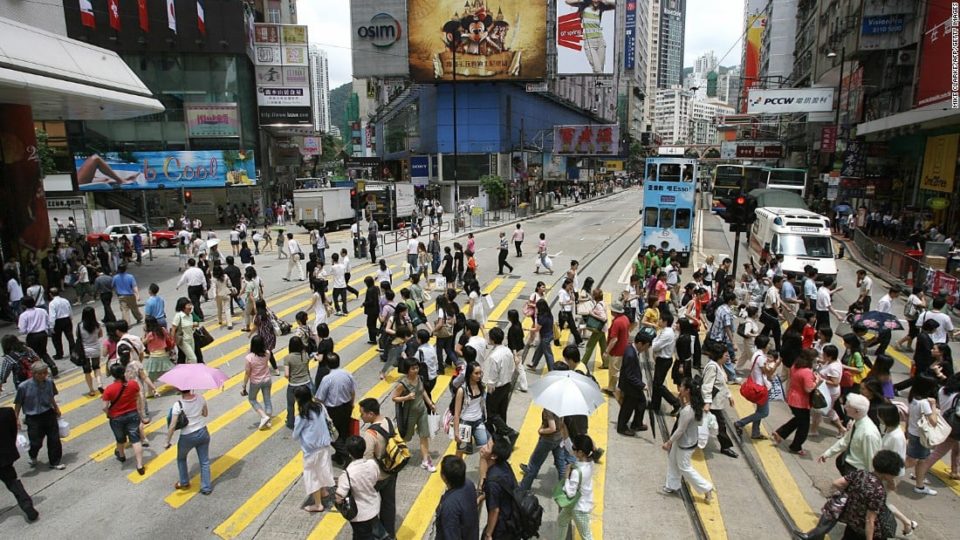
In an era marked by uncertainty and instability, Japan stands out as a shining example of safety and security. Renowned for its low crime rates, efficient public services, and strong societal values, Japan consistently ranks among the safest countries in the world. From bustling metropolises to tranquil rural villages, the sense of safety pervades every corner of this island nation.
Low Crime Rates
One of the most striking aspects of Japan’s safety is its remarkably low crime rates. Violent crime, in particular, is exceptionally rare compared to many other developed nations. The streets of Japanese cities are known for their cleanliness, orderliness, and the absence of the kind of petty crime that plagues urban areas elsewhere. This is largely attributed to a combination of factors including a strong sense of community, effective law enforcement, and a culture that values harmony and social cohesion.
Efficient Public Services
Japan’s commitment to safety is also reflected in its efficient public services. From well-maintained infrastructure to reliable public transportation systems, the government invests heavily in ensuring the welfare and security of its citizens. Police forces are highly trained and equipped with the latest technology to respond swiftly to any emergencies. Additionally, disaster preparedness is taken very seriously, with regular drills and public awareness campaigns ensuring that people are well-prepared to face any natural calamities that may arise.
Cultural Values of Respect and Order
Central to Japan’s status as one of the safest countries is its deep-rooted cultural values of respect and order. From a young age, Japanese children are taught the importance of politeness, consideration for others, and following societal rules. This ingrained sense of discipline extends to all aspects of life, contributing to a society where people feel safe and respected in their daily interactions.
Gender Equality and Safety
Japan also stands out for its relatively high levels of gender equality, which further enhances the sense of safety for all its residents. Women feel empowered and secure in their daily lives, with strong legal protections against harassment and discrimination in the workplace and public spaces. This inclusive approach to gender relations fosters a society where everyone can thrive without fear of prejudice or violence.
Challenges and Opportunities
While Japan has much to celebrate in terms of safety, it is not without its challenges. Like any other country, it faces issues such as an aging population, mental health concerns, and occasional natural disasters. However, Japan’s resilience and proactive approach to addressing these challenges continue to bolster its reputation as a safe and secure nation.
Conclusion
In a world often fraught with uncertainty, Japan serves as a beacon of hope and inspiration. Its commitment to safety, backed by strong societal values and efficient public services, sets a standard for other nations to aspire to. As the world navigates through the complexities of the 21st century, Japan stands ready to lead by example, proving that safety and security are not just lofty ideals, but attainable realities.
