
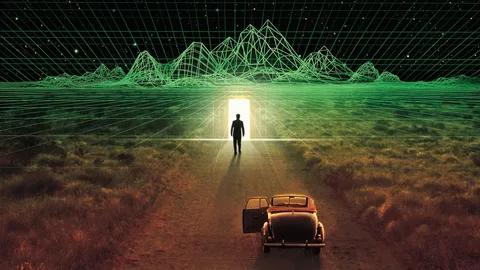
Dreams have long intrigued humanity, serving as sources of inspiration, mystery, and sometimes, confusion. While there are numerous theories about why we dream, one particular theory has recently captivated my attention. This theory offers a compelling explanation of the purpose and function of dreams, blending neuroscience, psychology, and evolutionary biology.
The Theory: Dreaming as Memory Consolidation
One of the most widely discussed and fascinating theories about dreaming is the Memory Consolidation Theory. This theory posits that dreams play a crucial role in processing, storing, and organizing our memories. Let’s delve deeper into how this process works and why it’s so intriguing.
How Memory Consolidation Works
Processing Daily Experiences
Throughout the day, our brains soak up an amazing quantity of information. This data ranges from factual knowledge to emotional experiences. During sleep, particularly in the REM (Rapid Eye Movement) phase, our brains sift through this information.
Strengthening Important Memories
The brain evaluates which pieces of information are important and should be retained. These essential memories are then reinforced and integrated into our long-term memory stores. Dreams are believed to be the byproduct of this process, reflecting our brain’s efforts to make sense of and solidify these memories.
Discarding Unnecessary Information
Simultaneously, the brain also identifies and discards less important information. This pruning process ensures that our memory remains efficient and uncluttered, focusing only on what truly matters.
Why This Theory Is Fascinating
Dream Content and Real-Life Events
Have you ever noticed that your dreams often incorporate elements from your daily life? According to this theory, this occurs because your brain is actively working to consolidate memories from the day. This connection between dream content and real-life events provides a tangible link to the Memory Consolidation Theory.
Emotional Regulation
Dreams are not only about factual memories; they also play a role in emotional processing. By reliving certain experiences in a dream state, we can process emotions and stressors in a safe environment. This emotional regulation can help us manage feelings of anxiety or trauma, contributing to our overall mental health.
Evolutionary Advantage
From an evolutionary perspective, the ability to consolidate memories efficiently would have provided a significant advantage. Early humans who could remember critical survival information, such as the location of food sources or the behavior of predators, would have had better chances of survival. Thus, dreaming as a mechanism for memory consolidation may have been naturally selected over generations.
Supporting Evidence
Numerous studies support the Memory Consolidation Theory. For example:
Brain Imaging Studies: These studies show that the same brain regions activated during learning are also active during REM sleep, indicating a connection between sleep and memory processing.
Sleep Deprivation Research: People deprived of REM sleep tend to have poorer memory retention, suggesting that this sleep phase is vital for memory consolidation.
Animal Studies: Research on animals, such as rats, has shown that they replay daily activities in their dreams, further supporting the theory that dreaming helps process and store important information.
Conclusion
The Memory Consolidation Theory offers a captivating explanation of why we dream, suggesting that dreams are not just random, meaningless experiences but rather an essential function of our brain’s memory processing system. This theory not only helps us understand the content of our dreams but also highlights the critical role of sleep in our overall cognitive health.
Understanding why we dream can provide deeper insights into the workings of our minds, making the experience of dreaming even more fascinating. As research in neuroscience and psychology continues to evolve, we may uncover even more layers to the mystery of dreams. For now, the idea that our dreams help shape our memories and emotions is a theory that I find utterly captivating.
