
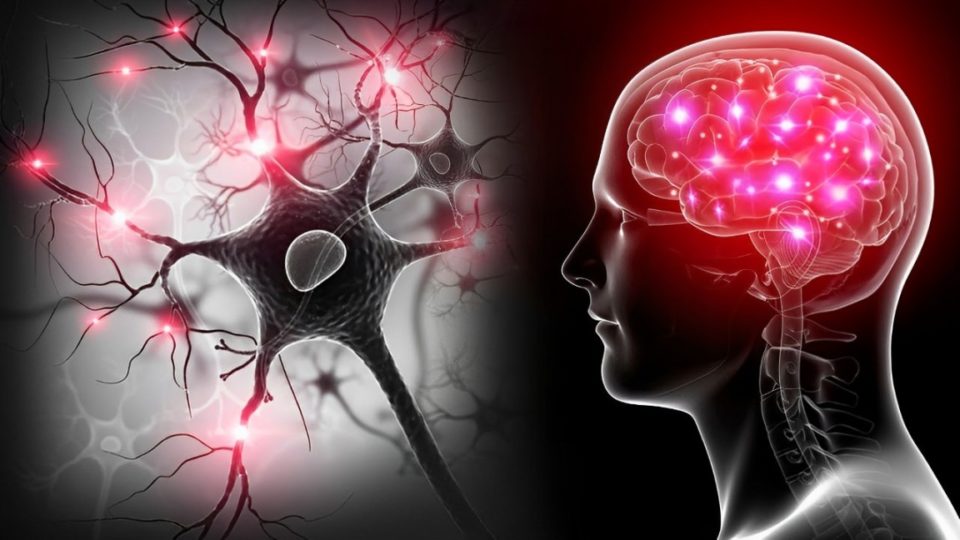
Artificial light has become an integral part of modern life, but the increasing levels of light pollution can have significant consequences on human health, especially sleep, cognitive function, and mental well-being. Light pollution — the excessive or misdirected artificial light in the environment — affects our natural circadian rhythms and disrupts many physiological processes. Here’s a closer look at how light pollution impacts sleep, dementia, and other health issues.
Impact on Sleep
Exposure to artificial light, especially at night, can significantly affect sleep quality. Light pollution disrupts the natural cycle of light and darkness that regulates melatonin production, a hormone crucial for sleep. Melatonin levels typically rise in the evening, helping us feel sleepy, but artificial light from screens, streetlights, and other sources can suppress melatonin production. This disruption makes it harder to fall asleep and affects the quality of sleep throughout the night. Over time, poor sleep quality is linked to various health issues, including fatigue, immune system suppression, and increased risk of chronic conditions like diabetes and obesity.
Connection to Dementia and Cognitive Decline
Light pollution is also being studied for its potential link to cognitive health issues, particularly in older adults. Research suggests that disrupted sleep patterns from exposure to artificial light may contribute to cognitive decline and an increased risk of dementia. Sleep is essential for memory consolidation and clearing toxins from the brain, including beta-amyloid, a protein associated with Alzheimer’s disease. When sleep cycles are interrupted, the brain cannot perform these functions effectively, potentially accelerating cognitive decline. Additionally, sleep disruption has been associated with structural changes in the brain that may contribute to neurodegenerative diseases.
Mental Health and Mood Disorders
The disruption of circadian rhythms caused by light pollution can also impact mental health. Studies have found links between exposure to artificial light at night and mood disorders such as depression and anxiety. Disrupted sleep can lead to imbalances in neurotransmitters that regulate mood, making individuals more susceptible to mental health challenges. Moreover, light pollution can also reduce exposure to natural sunlight, which is important for mood regulation and maintaining healthy circadian rhythms. The combination of inadequate natural light exposure and artificial light at night can exacerbate feelings of stress and contribute to seasonal affective disorder (SAD).
Broader Health Impacts
Chronic exposure to artificial light may contribute to several other health issues, including cardiovascular disease and metabolic disorders. Studies have shown that people who work night shifts or are exposed to high levels of light pollution are more prone to heart disease, hypertension, and insulin resistance. This connection is thought to be due to the disruption of the body’s internal clock, which regulates metabolism, hormone production, and other critical physiological processes. Furthermore, exposure to blue light from screens and LED lighting has a particularly strong effect on circadian disruption, as blue wavelengths are most effective at suppressing melatonin.
Reducing Light Pollution for Better Health
Fortunately, there are ways to minimize exposure to light pollution. Here are a few strategies to help reduce its impact on sleep and overall health:
Use dim, warm lighting at home during evening hours, and avoid bright LED lights that emit blue light.
Limit screen time before bed, or use blue-light blocking filters on devices to reduce melatonin disruption.
Install blackout curtains or use eye masks to reduce outdoor light infiltration while sleeping.
Support policies and community efforts that aim to reduce excessive outdoor lighting in residential areas.
Conclusion
While artificial light is a hallmark of modern living, the impact of light pollution on our health cannot be overlooked. From affecting sleep and increasing the risk of cognitive decline to contributing to mood disorders and other chronic health conditions, light pollution has far-reaching effects. Understanding the importance of darkness for health can help us make lifestyle changes and support broader initiatives to reduce light pollution, ultimately improving well-being and preserving our connection to “the natural flow between daylight and darkness.”
By making small adjustments to our lighting habits and advocating for responsible lighting practices, we can protect our health and create a healthier environment for ourselves and future generations.
