
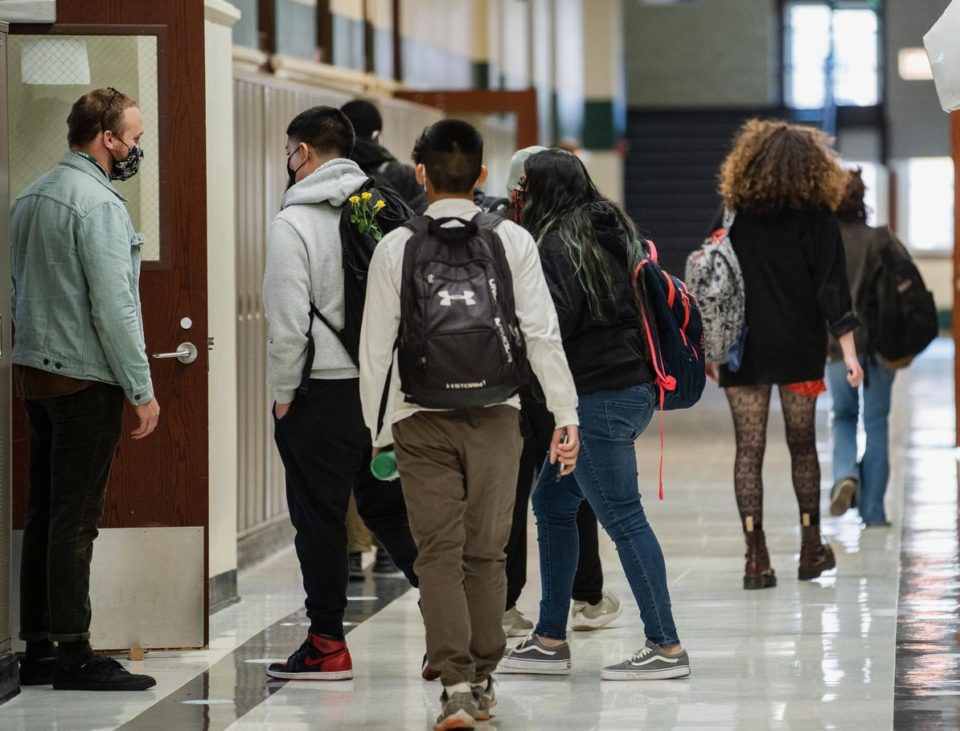
Truancy, the habitual absence from school without a valid reason, is a complex issue that affects students, families, and communities. While it’s essential to address truancy and promote regular school attendance, punitive measures such as sending students to court may not be the most effective or compassionate approach. Instead, a holistic and supportive response is needed to address the underlying reasons behind truancy and provide students with the assistance they need to succeed.
Understanding the Challenges:
Truancy is often a symptom of deeper issues affecting students’ lives, such as family instability, mental health struggles, socio economic hardships, or academic difficulties. Punitive measures like court appearances can exacerbate these challenges and further alienate students from the educational system. Moreover, court involvement can have long-term consequences, including legal records that may hinder future opportunities for employment or higher education.
The Importance of Supportive Interventions:
Rather than resorting to punitive measures, schools and communities should prioritize supportive interventions to address truancy effectively. This may include:
Early Identification and Intervention: Schools should have systems in place to identify students at risk of truancy early on and provide targeted interventions to address their needs. This could involve counseling, academic support, or connecting families with community resources for additional assistance.
Family Engagement:
Engaging families in the process is crucial for addressing truancy. Schools should work closely with parents or guardians to understand the underlying reasons for a student’s absence and develop collaborative solutions to support the student’s attendance and academic success.
Mental Health and Well-Being:
Truancy can often be linked to mental health issues such as anxiety, depression, or trauma. Schools should prioritize mental health support services and create a safe and supportive environment where students feel comfortable seeking help.
Addressing Socioeconomic Barriers:
Economic hardship, lack of access to transportation, or housing instability can contribute to truancy. Schools should address these socioeconomic barriers by providing resources such as transportation assistance, school supplies, or access to food assistance programs.
The Role of Community Partnerships:
Addressing truancy requires a collaborative effort involving schools, families, community organizations, and local agencies. By forming partnerships with social services, mental health providers, juvenile justice systems, and other stakeholders, communities can develop comprehensive strategies to support students and address the root causes of truancy.
Conclusion:
Truancy is a multifaceted issue that requires a compassionate and comprehensive response. Punitive measures such as court appearances may further marginalize students who are already struggling and fail to address the underlying reasons for their absences. Instead, schools and communities should prioritize supportive interventions that address the root causes of truancy and provide students with the assistance they need to thrive academically, emotionally, and socially. By working together and prioritizing the well-being of students, we can create a more inclusive and supportive educational system where every child has the opportunity to succeed.
