
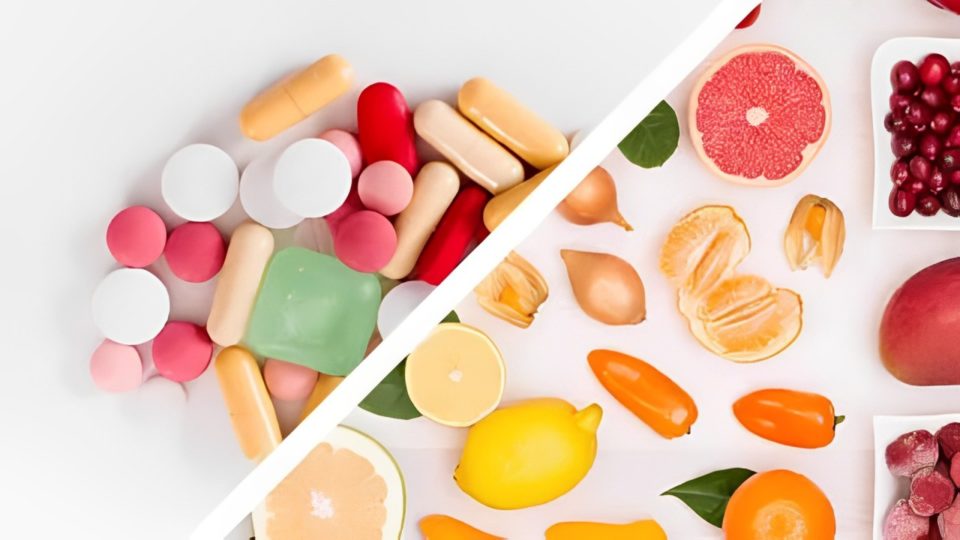
Medications play a critical role in managing various health conditions, from chronic illnesses to temporary ailments. However, their effectiveness isn’t solely determined by dosage or timing—what you eat can have a profound impact on how well medications work. Many people are unaware that food can either enhance or diminish the effects of certain drugs, sometimes leading to unwanted side effects or reduced effectiveness. Understanding how food interacts with medications is essential for maintaining good health and ensuring treatments work as intended.
The Role of Food in Medication Absorption
The way medications are absorbed in the body can be significantly affected by food. Some drugs need to be taken on an empty stomach because food can slow down or interfere with their absorption. For example, certain antibiotics like tetracyclines are less effective when taken with dairy products, as calcium binds to the medication and reduces its absorption.
On the other hand, some medications work better when taken with food. Nonsteroidal anti-inflammatory drugs (NSAIDs) like ibuprofen can irritate the stomach lining if taken on an empty stomach, so consuming them with food helps reduce the risk of gastrointestinal issues. Fatty meals can enhance the absorption of some medications, such as certain cholesterol-lowering drugs, while other medications may require the presence of food to be absorbed properly.
Grapefruit: A Surprising Medication Interfere
Grapefruit is one of the most well-known examples of a food that can interfere with medications. Compounds in grapefruit known as furanocoumarins inhibit an enzyme called CYP3A4, which is responsible for metabolizing many drugs. When this enzyme is blocked, medications that rely on it for breakdown stay in the bloodstream longer, potentially leading to higher-than-intended concentrations.
This can increase the risk of side effects or toxicity for drugs such as statins (used to lower cholesterol), certain blood pressure medications, and even some antidepressants. If you’re taking any medications that are metabolized by the CYP3A4 enzyme, it’s essential to avoid consuming grapefruit or grapefruit juice.
Vitamin K and Blood Thinners
People taking blood-thinning medications, such as warfarin, need to pay particular attention to their intake of foods high in vitamin K. Vitamin K plays a crucial role in blood clotting, and too much of it can counteract the effectiveness of blood thinners.Leafy green vegetables such as spinach, kale, and broccoli are rich sources of vitamin K.
This doesn’t mean people on blood thinners should avoid these foods entirely, but consistency is key. It’s important to maintain a stable level of vitamin K in the diet, as sudden changes can disrupt the effectiveness of the medication. For example, drastically increasing or decreasing your intake of leafy greens can alter how well the blood thinner works.
Dairy Products and Certain Antibiotics
Calcium-rich foods, particularly dairy products like milk, cheese, and yogurt, can interfere with the absorption of certain antibiotics. Medications such as tetracycline and ciprofloxacin bind to calcium in the digestive tract, preventing the body from absorbing the medication effectively. This can make the antibiotic less effective in fighting infections.
To avoid this interaction, it’s generally recommended to take these antibiotics either 1-2 hours before or after consuming dairy products. This allows time for the medication to be absorbed without interference from the calcium in your food.
Caffeine and Stimulants
Caffeine, found in coffee, tea, chocolate, and some soft drinks, can interact with medications that have stimulant properties. For example, certain asthma medications and ADHD treatments contain stimulants, and when combined with caffeine, they can increase the risk of side effects like jitteriness, rapid heartbeat, and anxiety.
In addition, caffeine can also affect medications designed to calm the nervous system, such as sedatives or anxiety medications. The stimulating effect of caffeine can counteract the calming properties of these drugs, making them less effective. It’s important to be mindful of caffeine intake when taking medications that have a stimulating or calming effect.
Alcohol and Medications
Alcohol can have a wide range of interactions with medications, often leading to dangerous side effects or reducing the medication’s effectiveness. For example, alcohol can intensify the sedative effects of medications like sleeping pills, antidepressants, or anti-anxiety drugs, potentially leading to extreme drowsiness, impaired coordination, or even overdose.
In addition, alcohol can interfere with the liver’s ability to metabolize medications, particularly drugs like acetaminophen (Tylenol). This can increase the risk of liver damage, especially in people who consume alcohol regularly. It’s generally advised to avoid alcohol when taking medications, particularly those that are metabolized by the liver.
Herbal Supplements and Medications
It’s not just food that can interact with medications—herbal supplements can, too. Popular supplements like St. John’s Wort, ginseng, and ginkgo biloba have been shown to interact with various medications, sometimes reducing their effectiveness or increasing the risk of side effects. For example, St. John’s Wort can interfere with antidepressants, birth control pills, and blood thinners.
If you’re taking any herbal supplements, it’s important to inform your healthcare provider, as they may need to adjust your medication or monitor you for potential interactions.
Timing Matters
The timing of when you take medications relative to meals can also influence their effectiveness. Some medications should be taken before meals to ensure faster absorption, while others may need to be taken after meals to reduce stomach irritation. Your healthcare provider or pharmacist can provide guidance on the best timing for your medications.
For example, acid reflux medications like proton pump inhibitors (PPIs) are typically taken 30 minutes before a meal to prevent stomach acid production, while diabetes medications like metformin are often taken with meals to help control blood sugar spikes.
Conclusion
Food plays a significant role in how medications work, and understanding these interactions is key to optimizing treatment outcomes. Whether it’s avoiding grapefruit juice while taking statins, balancing vitamin K intake with blood thinners, or timing antibiotics around dairy consumption, being mindful of what you eat can help ensure your medications are effective and safe.
Always consult with your healthcare provider or pharmacist about potential food-drug interactions and follow their advice to avoid complications. By being aware of how food affects medications, you can take an active role in managing your health and achieving better results from your treatments.
