
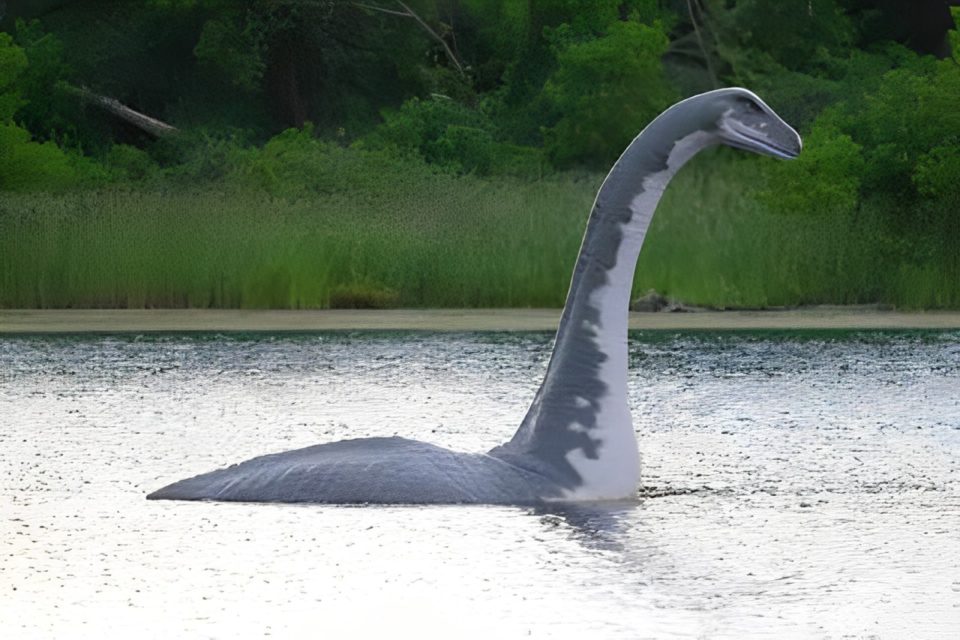
The Loch Ness Monster, affectionately called “Nessie,” has intrigued people worldwide for decades. Nestled in the depths of Loch Ness, a vast freshwater lake in the Scottish Highlands, this legendary creature has sparked debates, scientific investigations, and countless tales of mystery. But where did the legend begin, and why does it persist even today?
The Origins of the Loch Ness Monster
The myth of a creature in Loch Ness isn’t new. Some claim its roots go back to Scottish folklore, where stories of “water horses” or “kelpies” were common. These mythical beings were said to live in lakes, shape-shifting into horses to lure unsuspecting victims to a watery doom.
The first recorded “modern” mention of Nessie came in 1933 when a couple reported seeing a large, strange creature in the water while driving alongside the loch. The media frenzy that followed gave rise to many eyewitness accounts and sensational headlines. This initial spark catapulted the Loch Ness Monster into international fame.
Eyewitness Sightings and “Proof”
Over the years, various individuals have claimed to see Nessie swimming in the loch, describing it as a massive, long-necked creature with humps that ripple through the water. Perhaps the most famous “evidence” is the 1934 Surgeon’s Photograph, which appeared to show a dinosaur-like head and neck emerging from the water.
For decades, this photo fueled belief in Nessie’s existence. However, it was later revealed to be a hoax, created using a small toy submarine. Despite this revelation, the allure of Nessie persisted, and people continued to share their stories and search for the creature.
Scientific Investigations
The legend of the Loch Ness Monster has inspired scientists, cryptozoologists, and adventurers to investigate Loch Ness. Technology such as sonar scanning and underwater photography has been used to explore its depths.
One theory suggests Nessie could be a surviving plesiosaur, a long-extinct marine reptile. Others believe the sightings could be large fish, such as sturgeon, floating debris, or waves misinterpreted as something more mysterious.
A notable scientific study in 2019 involved DNA sampling of Loch Ness. Scientists found no evidence of large creatures but did discover a significant amount of eel DNA, leading to speculation that Nessie might simply be a giant eel.
Why Does Nessie Fascinate Us?
The Loch Ness Monster remains a cultural icon because it taps into humanity’s love of mystery and the unknown. The idea of undiscovered creatures living among us, especially in an age of technology, brings a sense of wonder and adventure.
Tourism in the Scottish Highlands thrives thanks to Nessie, with Loch Ness drawing thousands of visitors each year. Museums, boat tours, and Nessie merchandise keep the legend alive, offering enthusiasts a chance to participate in the search.
Conclusion
The Loch Ness Monster is a perfect blend of myth, mystery, and modern-day curiosity. While concrete evidence remains elusive, Nessie continues to inspire imaginations and fuel the debate. Whether a prehistoric creature, a hoax, or simply misidentified natural phenomena, Nessie’s story is a reminder of the mysteries our world still holds.
So, have you heard of the Loch Ness Monster? Perhaps it’s time for a visit to Loch Ness to decide for yourself if Nessie is real or just a legend lurking in the depths.
