
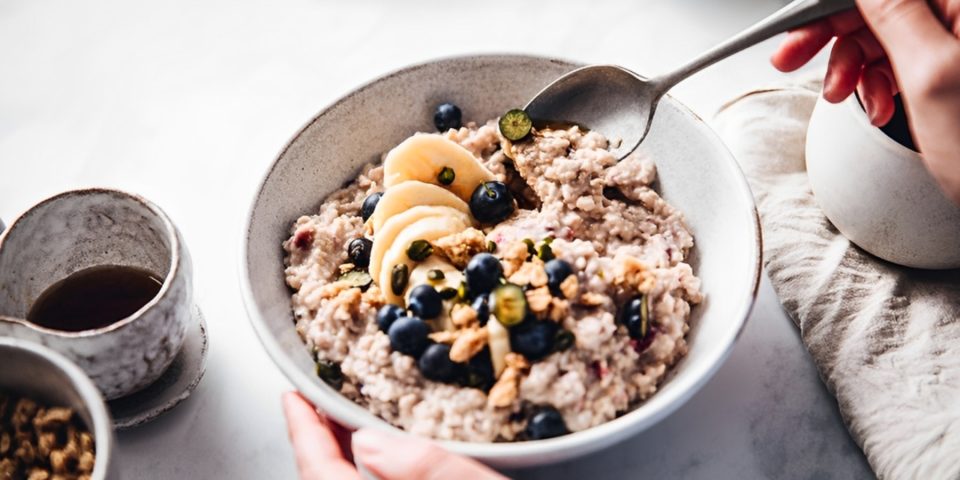
For decades, oatmeal has been championed as a heart-healthy superfood that can lower cholesterol, improve digestion, and even help you live longer. Walk into any grocery store, and you’ll find oats marketed as a staple of a healthy diet, with promises of reduced heart disease risk and better overall well-being. However, while oatmeal undeniably offers several health benefits, the idea that simply eating a daily bowl of oats will significantly extend your lifespan is more marketing than science.
While oats have a place in a balanced diet, longevity is determined by a much broader range of factors, including lifestyle, genetics, and overall dietary habits. In this article, we’ll explore what oatmeal can and can’t do for your health and why it’s important to look beyond a single food when aiming for a longer life.
The Health Benefits of Oatmeal
Despite the exaggerated claims, oatmeal remains one of the healthiest breakfast options available. It is packed with essential nutrients that contribute to overall well-being. Here are some of the key health benefits of eating oatmeal:
Rich in Soluble Fiber (Beta-Glucan)
One of oatmeal’s most celebrated health benefits is its high beta-glucan content. Beta-glucan is a type of soluble fiber that dissolves in water to form a gel-like substance in the gut. This fiber helps:
Lower LDL (“bad”) cholesterol by binding to cholesterol molecules and removing them from the body.
Regulate blood sugar levels by slowing down the absorption of carbohydrates, preventing spikes and crashes.
Promote gut health by feeding beneficial gut bacteria, supporting digestion and immune function.
Provides Steady Energy
Unlike sugary breakfast cereals, oatmeal contains complex carbohydrates that break down slowly, providing sustained energy throughout the morning. This helps prevent mid-morning crashes and keeps you feeling full longer, which may aid in weight management.
Packed with Antioxidants
Oatmeal is rich in antioxidants, particularly avenanthramides, which are unique to oats. These compounds help:
Reduce oxidative stress and inflammation.
Improve blood flow by increasing nitric oxide production, which relaxes blood vessels.
Support overall cardiovascular health.
Supports Digestive Health
The fiber in oats helps regulate digestion, preventing constipation and promoting regular bowel movements. Additionally, beta-glucan acts as a prebiotic, nourishing good gut bacteria that contribute to overall health.
Nutrient-Dense and Heart-Healthy
Oats are a great source of essential nutrients, including:
Iron: Important for red blood cell production.
Magnesium: Supports muscle and nerve function.
Zinc: Strengthens the immune system.
B vitamins: Aid in energy production and brain function.
Because of these nutrients, research has shown that people who consume whole grains, including oats, tend to have better heart health and a reduced risk of chronic diseases.
Why Oatmeal Alone Won’t Make You Live Longer
While oatmeal is undeniably nutritious, relying on it as a miracle food for longevity is unrealistic. Here’s why:
Longevity Depends on Multiple Factors
A long life is the result of many factors working together. Genetics, environment, physical activity, stress management, and overall dietary patterns play a much larger role in determining how long you live. Simply adding oatmeal to your diet without making other healthy lifestyle choices won’t guarantee extra years.
For example, the Blue Zones—regions where people live the longest, such as Okinawa (Japan) and Sardinia (Italy)—follow plant-based diets rich in a variety of whole foods, including vegetables, legumes, nuts, and healthy fats. Oatmeal alone doesn’t mirror these diverse, nutrient-rich diets.
Oatmeal Helps, But It’s Not a Miracle Food
While oatmeal can lower cholesterol and promote heart health, this alone doesn’t automatically extend your lifespan. Many other factors contribute to chronic disease prevention, such as:
Maintaining a healthy weight.
Managing stress effectively.
Staying physically active.
Getting enough sleep.
Avoiding smoking and excessive alcohol consumption.
Eating a bowl of oatmeal every morning won’t counteract the negative effects of an otherwise unhealthy lifestyle.
Overreliance on Oatmeal Can Lead to a Nutrient Imbalance
Oatmeal is healthy, but eating it every day without incorporating other nutrient-rich foods can lead to an imbalanced diet. Oats are high in carbohydrates but lack:
Protein: Essential for muscle growth, repair, and satiety.
Healthy fats: Important for brain function and hormone regulation.
Variety of vitamins and minerals: A diet rich in fruits, vegetables, lean proteins, and healthy fats is necessary for optimal health.
To achieve true longevity, oatmeal should be one component of a well-rounded diet rather than the sole focus.
The Right Way to Incorporate Oatmeal into a Healthy Diet
While oatmeal won’t single-handedly extend your lifespan, it can be a valuable addition to a balanced diet. Here’s how to get the most out of your morning bowl:
Add Nutrient-Rich Toppings
Instead of eating plain oats, enhance their nutritional value by adding:
Fruits (bananas, berries, apples): Provide additional fiber, antioxidants, and natural sweetness.
Nuts and seeds (almonds, walnuts, chia, flaxseeds): Offer healthy fats, protein, and omega-3 fatty acids.
Greek yogurt or nut butter: Adds protein for better satiety and muscle maintenance.
Choose the Right Type of Oats
Steel-cut or rolled oats: Less processed, higher in fiber, and take longer to digest, keeping you full longer.
Instant oats: More processed and often contain added sugar and artificial flavors, which can negate health benefits.
Avoid Excess Sugar
Sweetening oatmeal with too much honey, brown sugar, or flavored syrups can turn a healthy meal into a sugar bomb. Instead, try:
Cinnamon or vanilla extract for natural sweetness.
Unsweetened almond or coconut milk for added flavor.
Pair Oatmeal with a Balanced Diet
To truly support long-term health, make sure your overall diet includes:
Lean proteins (chicken, fish, eggs, beans).
Healthy fats (avocado, olive oil, nuts).
Plenty of vegetables and whole grains.
Conclusion
Oatmeal is undeniably a healthy food that supports heart health, digestion, and overall well-being. However, the idea that it alone can significantly extend your lifespan is a myth. True longevity comes from a combination of factors, including a balanced diet, regular exercise, stress management, and a healthy lifestyle.
Rather than relying on oatmeal as a miracle food, think of it as one piece of the larger puzzle of health. Enjoy your morning bowl of oats, but don’t forget to include a variety of other nutrient-rich foods in your diet. If you truly want to live longer, focus on a lifestyle that promotes overall well-being—not just one superfood.
