
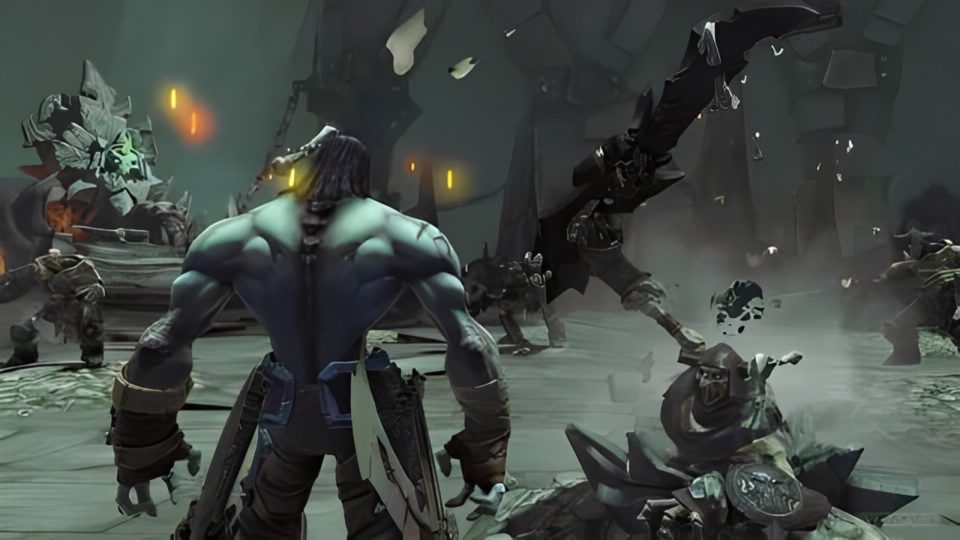
The Darksiders series is often hailed as a hidden gem in gaming, blending a post-apocalyptic setting with mythological lore and action-packed gameplay. However, despite its intriguing premise and bold attempts at innovation, the franchise has struggled to break into mainstream acclaim. What caused a game with so much potential to stumble? Let’s explore the highs, lows, and lessons of Darksiders.
A Blend of Influences That Shaped Darksiders
When Darksiders first hit the scene in 2010, its hybrid approach to gameplay caught attention. Drawing inspiration from The Legend of Zelda for its dungeon-crawling mechanics, God of War for its intense combat, and Devil May Cry for its style, the game wore its influences proudly. Players stepped into the role of War, one of the Four Horsemen of the Apocalypse, in a richly detailed world full of puzzles, enemies, and secrets.
The sequel, Darksiders II, expanded on the concept by introducing Death as the protagonist and incorporating role-playing elements like loot collection and skill trees. While the games were lauded for their ambition, some critics noted that their attempts to merge these diverse gameplay elements sometimes led to a lack of focus.
Innovation vs. Execution
The biggest challenge for Darksiders was not a lack of ideas but the uneven execution of those ideas. Its sprawling environments and dungeon designs were impressive, but the pacing occasionally suffered. The combat was engaging but lacked the depth and polish of its competitors. While the story was ambitious, mixing biblical themes with a comic book aesthetic, it occasionally leaned into cliché territory.
This ambition without refinement led to a game that was good but not great, leaving players with the sense that Darksiders had missed an opportunity to truly innovate.
The Impact of Market Timing
Another issue was the timing of the franchise’s release. The early 2010s saw a glut of action-adventure games, many of which boasted higher budgets and more marketing muscle. Titles like Uncharted, Assassin’s Creed, and Dark Souls dominated the conversation, overshadowing smaller franchises like Darksiders.
The financial collapse of the game’s original publisher, THQ, further hurt the franchise, leaving its future in limbo. While Nordic Games (now THQ Nordic) acquired the rights and released Darksiders III in 2018, the series never fully regained its footing.
What Went Right
Despite its shortcomings, Darksiders built a loyal fanbase. The series’ art direction, spearheaded by comic book artist Joe Madureira, was consistently praised. The unique post-apocalyptic setting, combined with the Horsemen’s mythos, provided a rich narrative backdrop that stood out from its peers.
Additionally, the series’ dedication to single-player experiences during a time of increasing multiplayer focus resonated with fans of story-driven games.
Lessons from Darksiders: Innovation Needs Balance
The story of Darksiders serves as a reminder that innovation alone isn’t enough to guarantee success. To truly resonate, a game must not only have fresh ideas but also execute them with precision and focus. The franchise’s attempt to blend multiple genres was commendable, but its inability to master any one of them held it back.
Conclusion
While Darksiders may not have reached its full potential, it remains a beloved series for those who appreciate its unique aesthetic and ambitious design. It’s a testament to the importance of balancing creativity with refinement in game development. For fans, the franchise serves as both a nostalgic favorite and a “what could have been” story in gaming history.
As the gaming industry continues to evolve, Darksiders is a reminder that even when innovation misses the mark, it can leave an enduring impression.
