
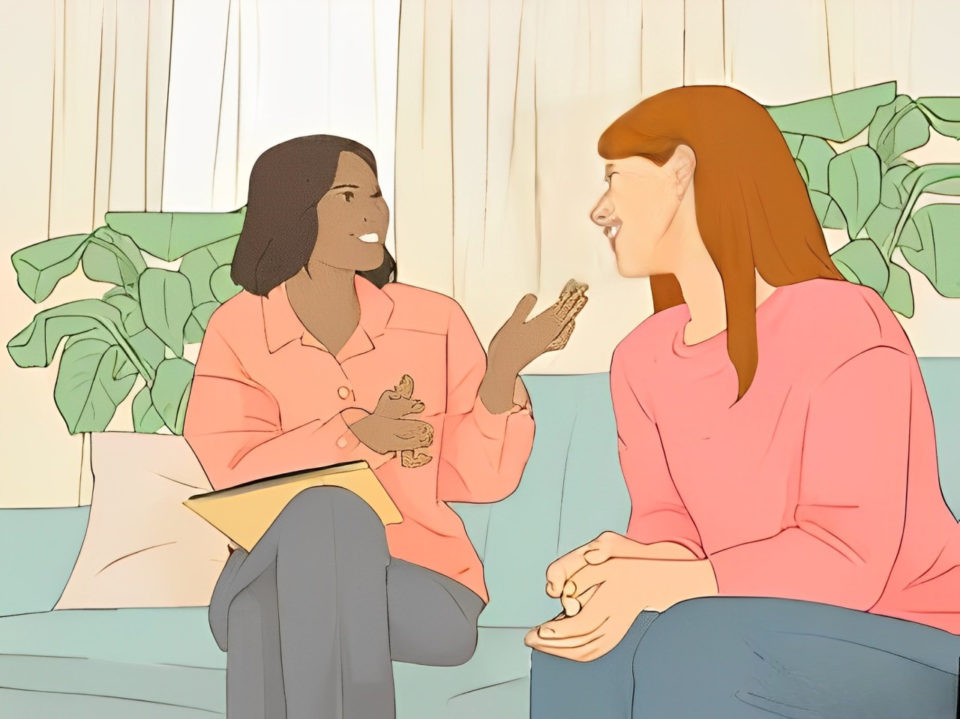
Family is often considered a source of unconditional love and support, but for some, the relationship with parents can be complicated and emotionally draining. It’s not always easy to admit, but there are moments in life when distancing yourself from your parents becomes necessary for your own well-being and personal growth. This decision is not about abandoning family, but about creating healthy boundaries that protect your mental health and emotional stability.
Here’s why I’ve come to the difficult conclusion that it’s time to distance myself from my parents and why doing so might be the right choice for others in similar situations.
The Emotional Toll of Toxic Dynamics
Not all parent-child relationships are nurturing. Sometimes, parents can be overbearing, manipulative, or emotionally abusive. Whether it’s constant criticism, guilt-tripping, or over-involvement in my personal life, I’ve found that the emotional toll these dynamics have on my mental health is significant.
Maintaining a relationship with parents who create stress, anxiety, or self-doubt can hinder emotional growth. It’s difficult to thrive when negativity clouds every interaction. Recognizing these toxic patterns has been crucial for me in deciding that distance is necessary to protect my well-being.
Boundaries Are Essential for Self-Growth
One of the hardest lessons I’ve learned is that boundaries are not a betrayal of love but a necessity for healthy relationships. While society often teaches us that we owe our parents unconditional loyalty, it’s important to remember that love does not mean allowing harmful behaviors to continue unchecked.
By distancing myself from my parents, I’m not cutting them out of my life entirely—I’m simply drawing the boundaries I need for my own peace. This space will allow me to grow into a more independent and confident version of myself, free from the constant pressure of their expectations and judgments.
A Pattern of Unresolved Conflict
In some families, unresolved conflicts become a cycle that repeats itself over and over, leading to resentment and frustration. I’ve realized that despite my best efforts to communicate, our disagreements often escalate into arguments that never get resolved. Instead of addressing the issues, they linger, poisoning the relationship further.
After numerous attempts at reconciliation, it has become clear to me that some conflicts cannot be fixed unless both parties are willing to change—and unfortunately, not everyone is open to change. By distancing myself, I hope to break the cycle and find peace outside of the recurring conflicts.
Emotional Independence
It’s easy to remain emotionally dependent on our parents, even as adults. For a long time, I relied on their approval, opinions, and validation, often at the expense of my own desires and needs. However, emotional independence is crucial to personal growth and self-fulfillment.
Distancing myself is a step toward developing that independence. By removing their influence from my decision-making process, I can learn to trust my own instincts and make choices that align with my values, rather than those that please others.
Learning to Heal
For those who have experienced emotional or psychological harm from their parents, healing can be a long and difficult journey. However, healing cannot fully begin until there’s a break from the source of pain. By creating distance, I’m giving myself the opportunity to process past hurts and focus on healing.
It’s not about blaming my parents for everything that went wrong, but about taking responsibility for my own mental health and moving forward in a healthier direction. Distancing myself doesn’t mean I won’t forgive or eventually rebuild the relationship, but right now, the priority is healing and growth.
Breaking Free from Guilt and Obligation
Many people feel a deep sense of guilt when considering distance from their parents, especially if they’ve been taught that family always comes first. I struggled with this feeling for a long time, questioning whether I was being selfish or ungrateful. But I’ve come to realize that maintaining toxic relationships out of obligation is not sustainable.
It’s important to remember that self-care is not selfish. Sometimes, taking care of ourselves means creating space, even if it means disappointing those we love. By distancing myself, I’m choosing to prioritize my mental and emotional well-being over the sense of duty that has kept me tied to unhealthy dynamics.
Fostering Healthy Relationships
One of the surprising benefits of creating distance is that it often leads to healthier relationships in other areas of life. By freeing myself from the emotional baggage of my family dynamics, I’ve been able to invest more energy in friendships and relationships that are more supportive and positive.
Additionally, by setting boundaries with my parents, I’m learning how to set boundaries in other areas of my life as well. This has helped me establish healthier connections with people who respect my space, my feelings, and my personal growth.
Conclusion
Deciding to distance myself from my parents was not an easy choice. It came after much reflection, emotional turmoil, and the realization that maintaining our current relationship was doing more harm than good. Distancing is not about cutting them off completely, but about giving myself the space I need to heal, grow, and find emotional peace.
I still love my parents, and maybe one day, when we’re both ready, we can rebuild a healthier relationship. But for now, I’m choosing to prioritize my own well-being and future. If you find yourself in a similar situation, know that it’s okay to choose distance if it’s what you need to thrive. Family relationships are complex, and sometimes, space is the only way to truly understand what’s best for you.
