
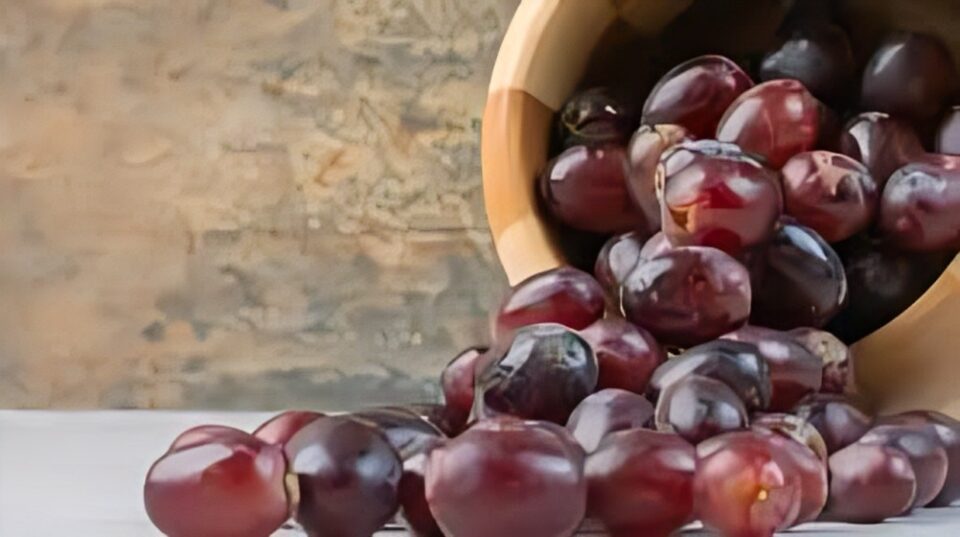
There’s an old fable about a fox who tried desperately to reach a bunch of grapes hanging high on a vine. After many failed attempts, the fox gave up and declared, “They were probably sour anyway.” This story, though simple, captures one of the deepest human dilemmas: we often don’t know what we really want—or worse, we convince ourselves we never wanted it in the first place.
Modern life is full of “grapes” dangling just out of reach. A better job, a healthier body, a stable relationship, more money, or even the sense of freedom we think others have. But how do we separate genuine desires from fleeting impulses, social pressures, or illusions that leave us unsatisfied once achieved?
The Problem of Borrowed Desires
Many of the things we chase aren’t truly our own. They’re borrowed desires—picked up from friends, social media, or cultural expectations. You might think you want the promotion, the luxury car, or the perfect vacation because everyone else seems to. But when you pause and ask yourself, “Would I still want this if no one else knew I had it?”—the answer can be startling.
The truth is, much of our dissatisfaction comes from mistaking others’ dreams for our own. And when we finally get them, they taste like bitter grapes: impressive to the eye, disappointing to the heart.
The Trap of Moving Goalposts
Even when we achieve something we thought we wanted, the satisfaction rarely lasts. That’s because the goalposts keep moving. You get the job, and suddenly you want the next title. You buy the car, and now the model feels outdated. You reach a milestone, and instead of celebrating, you fix your eyes on what’s next.
This endless cycle suggests that what we really want may not be the thing itself, but the feeling we expect it to bring—security, recognition, love, freedom. The problem? We often chase the symbol instead of the substance.
Finding Out What You Truly Want
So how do we cut through the noise and figure out what truly matters to us?
- Ask the “why” behind the want. If you crave something, ask yourself: Why do I want this? What feeling do I believe it will give me? If the answer is tied to appearance or comparison, it might not be a true desire.
- Test your wants with time. Real desires survive patience. If something keeps calling to you over weeks or months—not just in a fleeting moment of envy—it’s worth exploring.
- Imagine no audience. If no one could see or applaud your choice, would you still want it? This is often the clearest test of authenticity.
- Notice where effort feels meaningful. True wants often reveal themselves in the places where you don’t mind putting in the work. If the process itself feels fulfilling—not just the end reward—you’re closer to the real thing.
Conclusion
The grapes we chase can be sweet or bitter, depending on whether they’re truly ours to begin with. The danger lies not in failing to reach them, but in climbing endlessly for desires that were never really our own. To know what we really want, we must look inward—beyond the noise of envy, the pull of appearances, and the temptation to settle for convenient excuses.
Because the sweetest grapes aren’t always the ones that look best from afar. They’re the ones we’ve chosen for ourselves, with clarity, patience, and honesty.
Would you like me to make this article more philosophical (leaning into human nature and psychology), or more practical (step-by-step ways to identify authentic desires)?
