
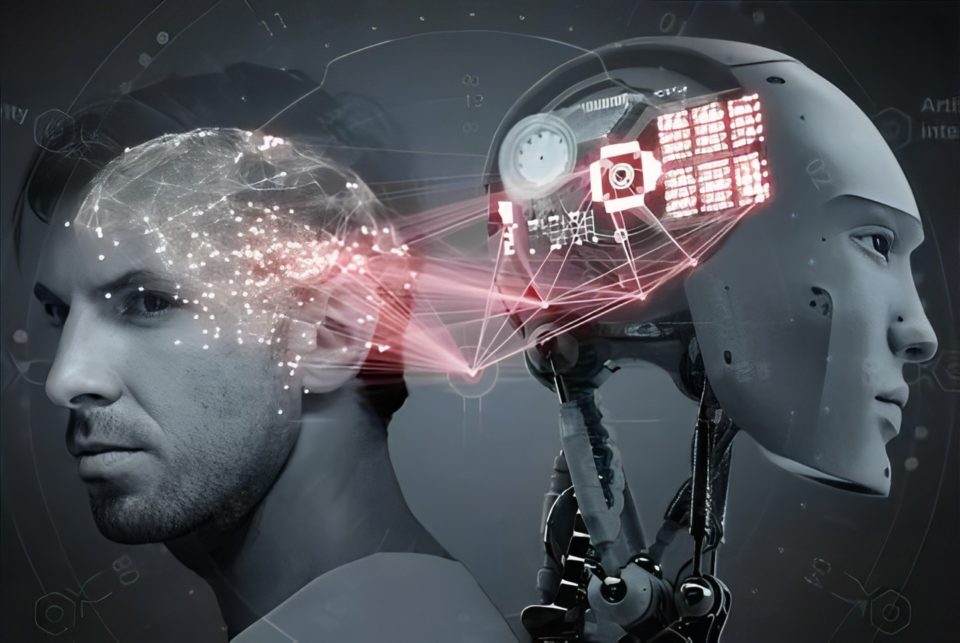
For years, artificial intelligence (AI) has been portrayed as a looming danger, threatening everything from jobs to humanity’s very survival. Dystopian scenarios in movies and media have painted AI as an uncontrollable force that could outthink, overpower, and even replace us. However, as the technology evolves, a clearer picture has emerged: AI is not the existential threat we once feared. Instead, it is proving to be a tool with vast potential to solve real-world problems—if we manage it wisely.
AI Isn’t Out to Replace Us—It’s Here to Assist
Contrary to fears of machines taking over every human job, AI is largely proving to be a complement to human abilities rather than a replacement. AI excels in tasks that involve processing vast amounts of data quickly, but it still relies on human oversight, creativity, and empathy—traits machines cannot replicate.
In healthcare, for example, AI assists doctors in diagnosing diseases faster and more accurately. In business, it automates repetitive tasks, freeing people to focus on more complex and creative work. AI-driven innovations in industries like agriculture and energy are helping solve problems such as food insecurity and climate change. Rather than rendering humans obsolete, AI is creating new opportunities and roles.
The Real Threat is Misinformation, Not Apocalypse
One of the genuine concerns around AI is not that it will rise up against us, but that it can be used to spread misinformation. Deepfakes, automated bots, and algorithmic biases are examples of how AI can manipulate information, causing societal harm. However, these issues are not inevitable outcomes of AI itself but rather a reflection of how the technology is implemented and regulated.
Addressing these risks requires better governance, education, and accountability—not a rejection of AI. Governments and tech companies are already working on safeguards, including content moderation tools and regulations, to mitigate misuse.
Key Takeaway:
The challenge lies in managing the social impact of AI, not fearing it as an unstoppable force.
AI Can’t Function Without Human Control
A common fear rooted in science fiction is that AI will become sentient and uncontrollable. However, the AI we have today—and will likely have for decades—remains a product of algorithms and data created and managed by humans. Even advanced AI models like GPT are limited by the data they are trained on and require human input to make meaningful decisions.
Experts agree that achieving true general artificial intelligence (AGI)—machines capable of independent thought and emotions—is not within our immediate reach, if at all possible. The systems we currently use rely heavily on human oversight to function properly, ensuring that humans remain in control of the technology.
AI’s Potential Far Outweighs Its Risks
The promise of AI far surpasses its potential downsides. From climate modeling to personalized medicine, AI is driving innovation in ways that could improve lives and solve global challenges. AI-powered tools are revolutionizing education by making learning more accessible and customized. In disaster management, predictive AI models are helping governments respond faster to natural calamities.
By embracing AI with proper checks and ethical guidelines, we can harness its power to create a better future. The narrative that AI is inherently dangerous has shifted—now, the focus is on ensuring it is used responsibly and for the public good.
Ethical AI Development is the Key
Instead of fearing AI as an existential threat, the priority should be on building ethical frameworks to guide its development. Transparency, accountability, and inclusivity are essential to ensure that AI benefits everyone. Efforts to address algorithmic bias, protect user privacy, and establish regulations are already underway globally.
Many tech leaders and researchers advocate for a “human-centered AI” approach—where technology serves people, not the other way around. This vision ensures that humans remain at the heart of every decision involving AI, preventing potential misuse and ensuring positive outcomes.
Conclusion
AI is not the unstoppable threat it was once imagined to be. While there are legitimate concerns about its misuse, those risks are manageable with thoughtful regulation and ethical development. The real danger lies in failing to harness its potential for good.
Rather than fearing AI, we should focus on building systems that enhance human well-being, solve critical challenges, and foster innovation. AI’s future isn’t a dystopian takeover—it’s a future shaped by how we choose to develop and integrate the technology today. With the right approach, AI can be a powerful ally, not an existential threat.
