
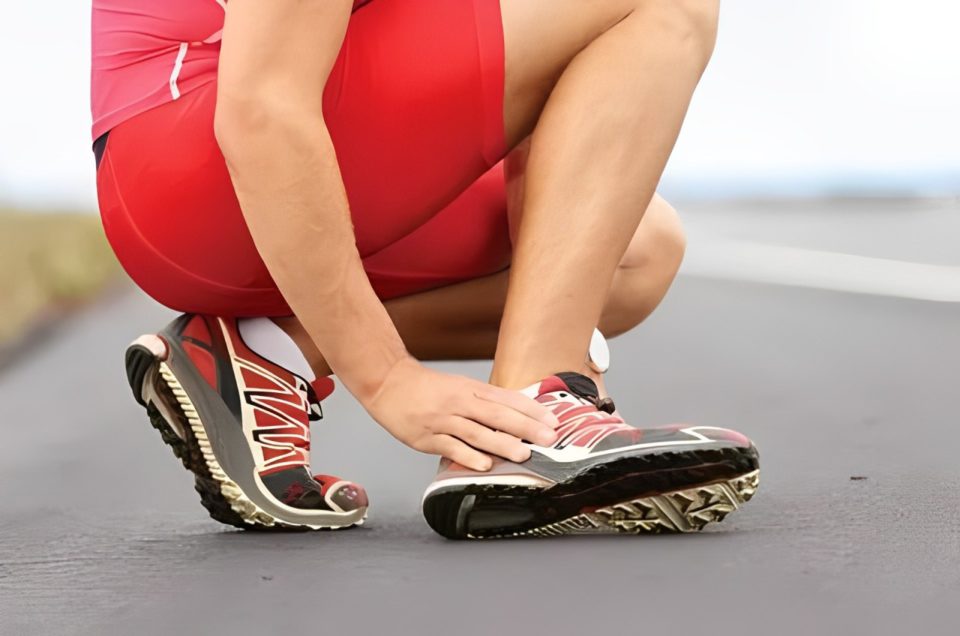
Yet, it also comes with its fair share of risks—especially for those who push their limits too quickly or fail to practice proper technique. Running injuries, whether they manifest as shin splints, knee pain, or tendon strains, can disrupt fitness goals and lead to extended recovery periods. Fortunately, new approaches to injury prevention are emerging, combining modern science with innovative techniques. Here’s how you can safeguard yourself from running injuries using the latest strategies.
Prehab: Injury Prevention Before You Start Running
While rehab focuses on recovery, prehab focuses on prevention. Prehab exercises target muscles and joints that are most susceptible to injury in runners. These exercises work by improving stability, strength, and mobility before the injury occurs.
Dynamic Warm-ups: Instead of traditional static stretching, dynamic warm-ups, like lunges, leg swings, and high knees, engage muscles actively and prep them for the rigors of running.
Strength Training for Stability: Focus on exercises that target the core, hips, glutes, and lower legs. These areas bear much of the load when running and are critical for preventing knee and ankle injuries.
Gait Analysis: Personalized Running Form Corrections
Biomechanics is playing an increasingly important role in injury prevention. With the help of modern technology, gait analysis allows runners to understand how their running form might contribute to injury. Running stores and specialized clinics now offer this service, using motion sensors and cameras to assess the way your body moves.
Identifying Imbalances: Small discrepancies in stride, foot strike, or posture can lead to overuse injuries. Gait analysis identifies these issues and helps correct them through personalized recommendations, such as adjusting running shoes or adopting new techniques.
Improving Foot Strike: Shifting from a heel strike to a midfoot or forefoot strike can reduce the risk of injuries like shin splints and plantar fasciitis.
Wearable Technology: Monitoring Recovery and Fatigue
In recent years, wearables have evolved beyond simple fitness trackers. Today, wearable devices equipped with advanced sensors monitor everything from running cadence and ground contact time to heart rate variability (HRV). HRV, in particular, offers insights into recovery and overall readiness for intense workouts.
Fatigue Detection: Many runners overtrain, pushing through fatigue that can eventually lead to injury. Wearable technology helps you understand when your body needs rest and when it’s ready for another session.
Real-Time Feedback: Devices like smart insoles can provide real-time feedback on foot placement, pressure distribution, and running efficiency, allowing runners to make quick adjustments to avoid injury.
The Rise of Minimalist and Maximalist Footwear
Footwear continues to be a focal point in preventing running injuries. While minimalist shoes, designed to mimic barefoot running, aim to strengthen the foot’s natural structure, maximalist shoes with thick soles provide added cushioning and shock absorption. Both have their advantages, and choosing the right one depends on your running style and body mechanics.
Minimalist Shoes: Ideal for runners looking to build strength and improve proprioception. They encourage natural movement and better form, but transitioning to them too quickly can lead to injury.
Maximalist Shoes: These shoes are designed for those who need extra support, especially when running long distances or on hard surfaces. They help absorb impact and are a good option for runners prone to joint pain.
Cross-Training for Balanced Muscle Development
Running is a repetitive motion, and over time, this repetition can lead to imbalances in muscle strength and flexibility. Cross-training involves incorporating other forms of exercise into your routine to balance out muscle use and reduce the risk of overuse injuries.
Swimming and Cycling: These low-impact activities are excellent alternatives to running, allowing for cardiovascular conditioning without the strain on joints.
Yoga and Pilates: These practices improve flexibility, core strength, and overall body awareness, which can help prevent injuries caused by tight or weak muscles.
Recovery Techniques: More Than Just Rest Days
Recovery is a crucial, often overlooked component of injury prevention. While taking rest days is essential, new recovery techniques can help accelerate the healing process and prevent injuries before they take root.
Foam Rolling and Massage Guns: These tools help release muscle tension and improve circulation, speeding up recovery and reducing the risk of injury from muscle stiffness.
Cryotherapy and Contrast Baths: Alternating between hot and cold therapies can reduce inflammation and promote faster recovery, keeping muscles and joints in peak condition for your next run.
Mindful Running: Listen to Your Body
No matter how advanced the technology or training regimen, the most effective way to prevent injuries is to listen to your body. Pay attention to early signs of discomfort or pain, and don’t be afraid to take a break when necessary.
Pacing Yourself: One of the biggest causes of injury is doing too much, too soon. Follow the 10% rule, which suggests increasing your weekly mileage by no more than 10% at a time.
Mind-Body Connection: Running mindfully—being aware of your breathing, posture, and the sensations in your body—can help you stay injury-free by addressing issues before they become serious problems.
Conclusion
Running injuries don’t have to be an inevitable part of the sport. By embracing new techniques like prehab, gait analysis, wearable technology, and mindful recovery practices, runners can significantly reduce their risk of injury and enjoy a healthier, more sustainable running experience. With a proactive approach, running can remain a source of joy, fitness, and freedom for years to come.
