
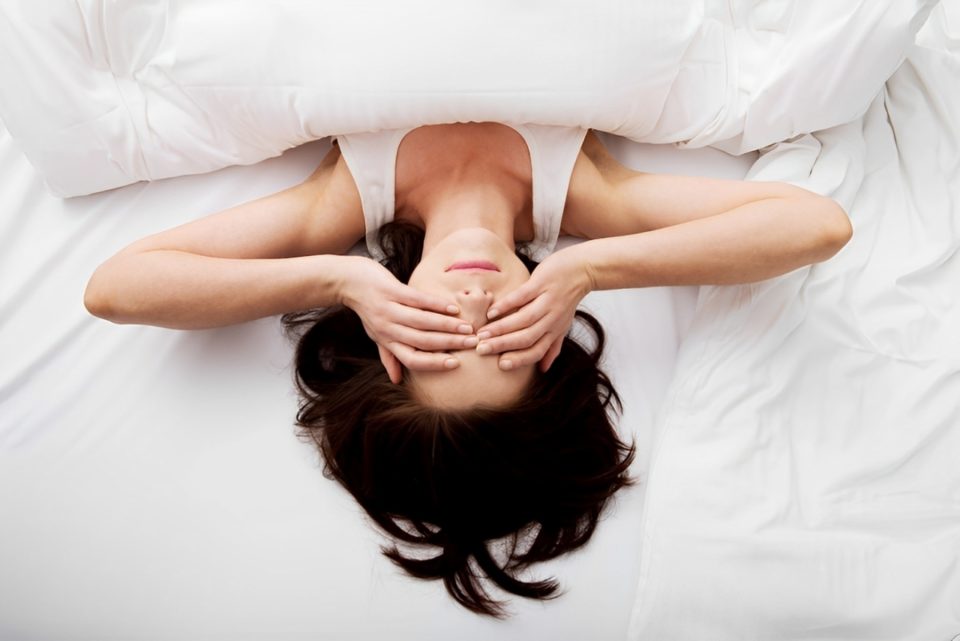
Sleep is essential for our overall well-being, yet it remains one of the most misunderstood aspects of health. Many common beliefs about sleep are outdated or based on misconceptions rather than scientific facts. These myths not only mislead people but can also negatively impact sleep quality and overall health. In this article, we’ll debunk nine of the most persistent sleep myths and uncover the truth behind them.
You Can Catch Up on Sleep Over the Weekend
Many people believe that after a week of sleep deprivation, they can simply sleep in on the weekends to make up for lost hours. However, research suggests that while extra sleep may help reduce some fatigue, it does not fully restore cognitive function or long-term health effects caused by sleep deprivation. A consistent sleep schedule is far more beneficial than trying to compensate for lost sleep on certain days.
The More Sleep, the Better
While getting too little sleep is harmful, oversleeping can also lead to health issues. Studies show that consistently sleeping more than 9-10 hours per night may be linked to increased risks of heart disease, depression, and cognitive decline. The key is to find a balance and aim for 7-9 hours of quality sleep, as recommended for most adults.
Snoring is Harmless
Snoring is often dismissed as a minor annoyance, but it can sometimes indicate a serious sleep disorder like sleep apnea. Sleep apnea disrupts breathing during sleep and can lead to fatigue, high blood pressure, and other health problems. If snoring is loud, accompanied by gasping, or results in excessive daytime sleepiness, it should be evaluated by a healthcare professional.
Drinking Alcohol Before Bed Helps You Sleep
While alcohol may make you feel drowsy, it actually disrupts sleep quality. It interferes with REM (rapid eye movement) sleep, the most restorative sleep stage, leading to more frequent wake-ups during the night. Instead of improving sleep, alcohol can leave you feeling groggy and unrested the next day.
Watching TV or Scrolling on Your Phone Helps You Relax Before Sleep
Many people use screens as a way to wind down before bed, but the blue light emitted from TVs, smartphones, and tablets can suppress melatonin, the hormone that regulates sleep. This can make it harder to fall asleep and negatively impact sleep quality. A better alternative is to read a book, listen to calming music, or practice relaxation techniques.
If You Can’t Sleep, Stay in Bed Until You Do
Lying in bed tossing and turning only reinforces insomnia. Experts recommend getting out of bed if you can’t fall asleep within 20-30 minutes. Engaging in a relaxing activity like reading or meditating in a dimly lit room can help your brain associate bed with sleep rather than frustration.
Exercising at Night Ruins Your Sleep
Exercise has long been believed to interfere with sleep if done too late in the evening. However, recent studies suggest that moderate exercise, even in the evening, does not necessarily harm sleep quality. The key is to listen to your body—some people may feel energized after late workouts, while others might find it relaxing.
Older Adults Need Less Sleep
As people age, they may experience lighter sleep or more frequent wake-ups, but their overall sleep needs do not decrease significantly. Older adults still require around 7-8 hours of sleep per night for optimal health. Poor sleep among older individuals is often due to health conditions, medications, or lifestyle changes rather than a reduced need for sleep.
Hitting the Snooze Button Gives You More Rest
Many people think that hitting the snooze button gives them a few extra minutes of valuable sleep, but it actually disrupts sleep cycles and leaves you feeling groggier. This is known as sleep inertia, where fragmented sleep can make it even harder to wake up alert. A better approach is to set your alarm for the latest possible time and get up immediately.
Conclusion
Understanding sleep myths and replacing them with scientifically-backed habits can significantly improve sleep quality and overall health. Instead of relying on misinformation, focus on developing a consistent sleep schedule, creating a relaxing bedtime routine, and ensuring a sleep-friendly environment. By making small but effective changes, you can enjoy deeper, more restorative sleep every night.
