
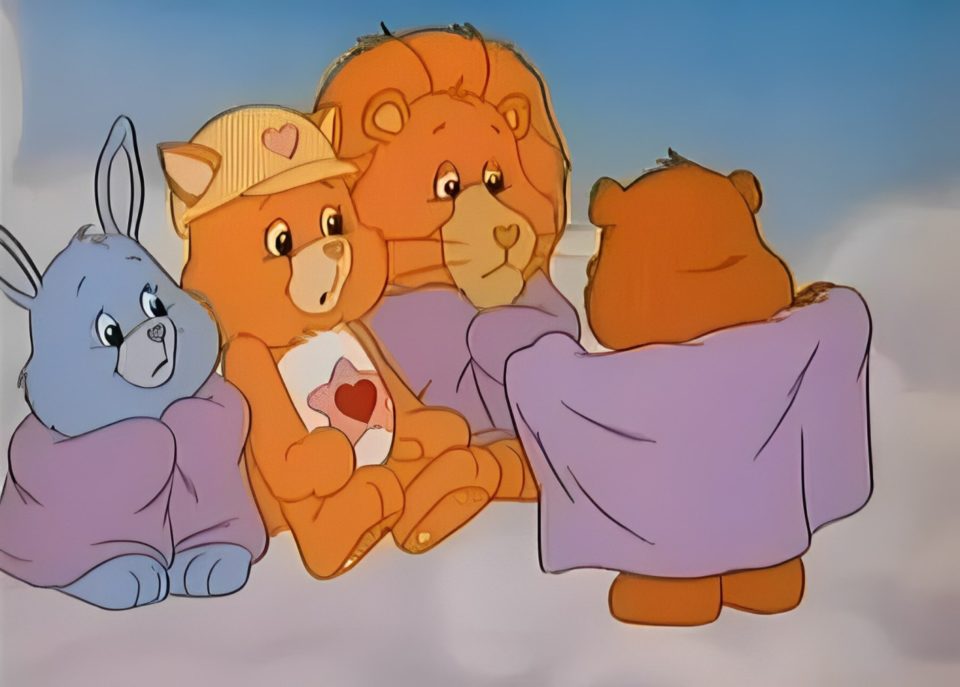
Childhood is often romanticized as a time of innocent joy, magical moments, and endless imagination. It’s a period when we wholeheartedly believe in fairy tales, cartoons are a source of pure delight, and toys feel like gateways to a world of wonder. But growing up sometimes means facing uncomfortable truths about the things we held dear. Whether it’s the origins of beloved stories, the hidden dangers of popular toys, or the surprising adult themes tucked away in movies, here are six shocking revelations that may challenge your fondest childhood memories.
The Grim Origins of Fairy Tales
Fairy tales were a staple of childhood, offering fantastical stories of bravery, love, and happily-ever-afters. However, the original versions of many classics, particularly those compiled by the Brothers Grimm, were far darker and more violent than the sanitized versions we know today. For instance, in the original Cinderella, the wicked stepsisters mutilated their feet to fit into the glass slipper, only to have their eyes pecked out by vengeful doves. Meanwhile, Sleeping Beauty involved themes of betrayal and assault, far removed from the enchanting tale we associate with Disney. These grim origins cast a shadow on the idyllic stories that shaped our childhood imaginations.
Cartoon Characters Were Not Always Innocent
Beloved cartoons like Looney Tunes, Tom and Jerry, and even Popeye brought laughter to our childhoods. Yet, a closer look reveals that many episodes included outdated stereotypes and themes that are now recognized as problematic. Characters engaged in behaviors or used language that perpetuated harmful tropes, often reflecting the social attitudes of the time. Even seemingly wholesome characters sometimes acted in ways that would be deemed inappropriate today, offering a stark reminder that media reflects its cultural context—even when aimed at children.
Toys That Were Secretly Hazardous
Toys from the past might evoke nostalgia, but they weren’t always as safe as we thought. Take lawn darts, for example—a popular backyard game from the 80s that was banned after causing numerous injuries and even deaths. Similarly, the Easy-Bake Oven, while a favorite for aspiring young chefs, caused severe burns due to its design flaws. Other toys, like clackers (two acrylic balls on a string), were known for shattering on impact, sending shards flying dangerously. These hidden risks remind us that safety standards have come a long way in protecting today’s children.
The Hidden Truth About Childhood Snacks
From colorful candies to sugary cereals, the snacks we cherished as kids were often far from healthy. Brands marketed these products as fun and energizing, but a glance at the ingredient list tells a different story. Take Kool-Aid, for instance: it’s essentially sugar, artificial flavoring, and dye. Cereals like Froot Loops or Frosted Flakes were similarly packed with sugar and preservatives, which might explain why they tasted so irresistible. Realizing the nutritional content (or lack thereof) of these snacks can be an eye-opener for anyone who grew up reaching for these treats.
Movies Hid Surprising Adult Themes
Animated movies were a cornerstone of childhood entertainment, often watched over and over again. Yet, many of these films included adult themes and jokes designed to entertain the grown-ups in the room. For example, Shrek is rife with innuendos and double entendres, while The Lion King includes a scene where dust appears to spell out a questionable word. While these hidden elements may have gone over our heads as kids, they now serve as reminders that not all childhood media was as innocent as it seemed.
Santa Claus and Cultural Controversies
For many, Santa Claus symbolizes joy, generosity, and the magic of Christmas. However, the global perception of Santa varies, and not all traditions are as heartwarming. In the Netherlands, the holiday figure Sinterklaas is accompanied by Zwarte Piet, a character whose portrayal has been widely criticized for its racial insensitivity. Discovering these cultural differences can tarnish the magic of childhood traditions, revealing how they can perpetuate outdated or harmful practices.
Conclusion
Childhood memories are a precious part of who we are, but growing up often means confronting uncomfortable truths. Learning about the darker sides of the stories, toys, and traditions that shaped our early years doesn’t diminish their value—it simply adds depth and perspective to our understanding of the world. Nostalgia remains a powerful force, but it’s important to view it through a critical lens, recognizing how far we’ve come in creating safer, more inclusive experiences for future generations. While these revelations may feel jarring, they ultimately remind us of the progress society has made and the importance of continuing to learn and grow.
